
Is It Easy to Build a Patio? Here Is the Answer
Building a patio is manageable with the right tools and planning. Learn practical steps for layout, materials, and maintenance in November 2026.
 By Nashia Baker
Updated November 4, 2026


Building a patio is not inherently difficult, but it requires careful planning, the right tools, and a clear understanding of local regulations. The complexity depends on whether you are installing simple pavers over existing ground or constructing a concrete slab with a proper sub-base. Most DIY homeowners can complete a standard paver patio in a weekend if the site is level and the scope is moderate. However, larger projects involving heavy machinery, extensive grading, or complex drainage systems often benefit from professional assistance to ensure structural integrity and code compliance.
Success in is it easy to build a patio projects largely hinges on preparation. Before breaking ground, you must verify setback requirements, check for underground utilities, and select materials that suit your climate and aesthetic goals. A well-planned patio enhances outdoor living spaces while adding value to your property. By understanding the key steps from design to finishing touches, you can avoid common pitfalls and create a durable, functional outdoor area that lasts for years.
| Award | Product | FCH Score About FCH ScoreThe FCH Score is our own rating from 0 to 10, based on performance, design and build, ease of use, and value. It reflects independent research and is never influenced by manufacturers, retailers, or affiliate commissions. Learn more › | |
|---|---|---|---|
|
How to Build Your Own Greenhouse
|
8.1/10 | Buy | |
 How to Build a 12 x 14 Hoop Greenhouse |
7.8/10 | Buy | |
 Gecork Window Screen Replacement Mesh for Doors |
8.1/10 | Buy | |
| Best Budget |
 OFFO Bird Spikes for Pigeon Woodpecker Crow |
9.1/10 | Buy |
| Best Overall |
Gecork Window Screen Replacement Mesh for Doors
|
9.2/10 | Buy |
| Best Value |
 Kitsure Metal Plant Stand Indoor & Outdoor |
8.9/10 | Buy |
| Best Premium |
 UMEXUS Outdoor Clocks for Patio Waterproof |
8.8/10 | Buy |
 CLXEAST 18" Illuminated Outdoor Clocks for Patio |
8.8/10 | Buy | |
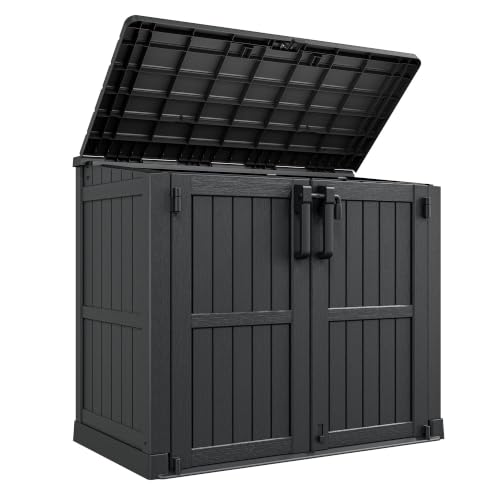 LHBcraft Outdoor Storage Cabinet 36 Cu Ft |
8.0/10 | Buy | |
 LiBa Bug Zapper 2800V Indoor |
8.1/10 | Buy | |
 The Complete Guide to Building Your Own Greenhouse |
8.3/10 | Buy |
For more on a connected point, our page on how do you build a patio cover goes into it separately.
Assessing Feasibility and Planning Your Patio Build
Before purchasing materials, evaluate the specific conditions of your backyard. The difficulty of the project scales with the terrain, soil composition, and the desired final surface. A flat, compacted dirt area is the easiest starting point, while sloped yards or areas with poor drainage require additional engineering and labor. Consider the primary use of the space, such as dining, lounging, or gardening, as this influences the required square footage and structural load capacity.
Local building codes and homeowner association rules can significantly impact your design. Some jurisdictions require permits for concrete slabs or structures exceeding a certain height, while others have specific guidelines for fire pits or outdoor kitchens. Always call your local utility company to mark underground gas, water, and electrical lines before digging. Ignoring these steps can lead to costly repairs, safety hazards, and project delays that turn a manageable DIY task into a stressful ordeal.
| Project Phase | Typical Difficulty | Key Considerations |
|---|---|---|
| Site Preparation | Moderate | Grading, compaction, drainage slope |
| Paver Installation | Low to Moderate | Layout pattern, cutting, leveling |
| Concrete Pouring | High | Formwork, rebar, curing, finishing |
| Drainage Setup | Moderate | French drains, French drain pipes, grading |
Choosing the right material is the first major decision that affects both cost and labor. Common options include concrete pavers, natural stone, brick, and poured concrete. Pavers are generally easier for DIYers because they do not require mixing, pouring, or curing. They can be laid on a bed of sand or gravel and adjusted if mistakes are made. Poured concrete offers a seamless, durable surface but demands precise formwork and timing to achieve a smooth finish without cracking.
Consider the climate in your region when selecting materials. In areas with freeze-thaw cycles, materials with good water permeability or proper drainage are essential to prevent heaving and cracking. In hot, arid regions, light-colored surfaces help reflect heat and keep the patio cooler. The choice of material also dictates the maintenance routine, from periodic sealing of natural stone to occasional power washing of concrete pavers.
Essential Tools and Materials Checklist
Having the right equipment on hand prevents interruptions and ensures safety. For a typical paver patio, you will need a wheelbarrow, a shovel, a rake, a string line with stakes, a level, a rubber mallet, a plate compactor, and a saw for cutting pavers. If you are installing a concrete slab, additional tools like a concrete mixer, trowels, and a screed are required. Safety gear, including gloves, eye protection, and sturdy footwear, is non-negotiable for any construction task.
- String line and stakes for layout accuracy
- Rubber mallet for seating pavers into sand
- Plate compactor for compacting gravel base
- Wheelbarrow for transporting materials
- Saw with masonry blade for cutting pavers
- Level to ensure a flat, sloped surface
- Safety glasses and work gloves
Site Preparation and Grading Techniques
Proper site preparation is the foundation of a durable patio. Start by marking the perimeter of the patio area using stakes and string. Remove any existing vegetation, roots, and topsoil within the marked area. The depth of excavation depends on the material; for pavers, you typically need 6 to 8 inches of compacted gravel base plus 1 inch of sand bed. For concrete, the depth may vary based on local frost line requirements.
Grading the sub-base is critical for drainage. The patio should slope away from any structures, such as a house or deck, to prevent water from pooling and causing damage. A standard slope is about 1/4 inch per foot. Use a level or a laser level to check the slope across the entire area. Compact the gravel base in layers to ensure stability and prevent settling over time. A well-compacted base reduces the risk of unevenness and extends the lifespan of the patio surface.
Installing Pavers: Layout and Leveling
Once the base is compacted, spread a layer of coarse sand and screed it to a uniform thickness. This sand bed provides a level surface for the pavers and allows for minor adjustments. Begin laying pavers from a corner or a straight edge, using a string line to keep rows aligned. Tap each paver into place with a rubber mallet to seat it firmly in the sand. Maintain consistent spacing between pavers to ensure a uniform look.
For a professional finish, use edging to contain the pavers and prevent lateral movement. Concrete, metal, or plastic edging materials are available and can be installed along the perimeter. After all pavers are laid, sweep joint sand into the gaps and compact the surface again to settle the sand. This process locks the pavers together and fills the joints, providing stability and weed resistance. Repeat the sweeping and compacting process until the joints are fully filled.
Readers working through this often check how to make easy patio next.
Concrete Patios: Formwork and Pouring
Building a concrete patio is more complex and requires precise execution. Install formwork around the perimeter of the patio area, ensuring it is level and plumb. The formwork must be sturdy enough to hold the weight of wet concrete. If the patio is large, consider dividing it into sections to manage the pour and prevent cracking. Place rebar or wire mesh within the concrete slab to provide tensile strength and reduce the risk of cracking due to shrinkage or temperature changes.
When pouring the concrete, work in sections to ensure even distribution. Use a screed to level the surface and a trowel to smooth it out. Finish the surface according to your preference, such as broom finish for slip resistance or smooth finish for a polished look. Allow the concrete to cure slowly by keeping it moist for several days. This prevents rapid drying, which can cause surface cracking. Sealing the concrete after curing adds a layer of protection against stains, water, and UV damage.
Drainage Solutions and Waterproofing
Effective drainage is essential to protect your patio and surrounding structures. Water pooling on the patio surface can lead to erosion, cracking, and mold growth. Ensure the patio slopes away from buildings and that any low spots are addressed with additional grading or drainage features. French drains or channel drains can be installed at the lowest points to collect and redirect water away from the patio. Proper drainage design is particularly important in areas with heavy rainfall or poor soil absorption.
Waterproofing the underlying soil can also help prevent water from seeping up into the patio base. Geotextile fabric can be laid under the gravel to separate the soil from the base material, preventing contamination and maintaining drainage. For concrete patios, applying a high-quality sealer creates a barrier against water infiltration. Regular maintenance, such as clearing debris from drains and reapplying sealer as needed, ensures long-term performance and durability.
Common Mistakes to Avoid
Many DIYers encounter issues due to insufficient planning or rushed execution. One common mistake is inadequate compaction of the gravel base, leading to settling and unevenness over time. Another is failing to account for proper drainage, resulting in water pooling and potential damage to nearby structures. Using low-quality materials or skipping the sealing process can also reduce the lifespan of the patio and increase maintenance needs.
- Skipping soil compaction for the base layer
- Ignoring local building codes and permits
- Using insufficient drainage slope away from structures
- Not sealing natural stone or concrete surfaces
- Choosing materials unsuitable for local climate conditions
- Failing to check for underground utilities before digging
Maintenance and Long-Term Care
Regular maintenance extends the life of your patio and keeps it looking its best. Sweep the surface regularly to remove debris, leaves, and dirt that can trap moisture and promote weed growth. Power washing can be used periodically to remove stubborn stains, algae, or mold, but use a low-pressure setting to avoid damaging the surface. For pavers, re-sand the joints if they become washed out or empty. For concrete, inspect for cracks and repair them promptly to prevent water infiltration and further damage.
Seasonal care is also important. In colder climates, avoid using de-icing salts that can damage concrete and pavers. Instead, use sand or gravel for traction. Cover or remove any furniture and accessories before winter to prevent damage from snow and ice. By following these maintenance practices, you can enjoy a beautiful and functional patio for many years with minimal effort.
Ultimately, the ease of building a patio depends on your experience, the complexity of the project, and the resources you have available. With careful planning, the right tools, and attention to detail, most homeowners can successfully build a patio that enhances their outdoor living space. Whether you choose the flexibility of pavers or the durability of concrete, the key is to prioritize proper preparation, drainage, and quality materials. This approach ensures a long-lasting, attractive addition to your home that provides value and enjoyment for years to come.
Readers working through this often check how to build a patio deck with wood next.
About the author
Nashia Baker is a home and lifestyle journalist who covers furniture, décor, and everyday living. Her work includes hands-on seating reviews and product comparisons, with particular attention to comfort, materials, and how furniture fits into real homes.