
How to Make Easy Patio: Key Facts
Learn how to make easy patio spaces using low-maintenance materials, smart layout clearances, and durable textiles for November 2026.
 By Zoe Sessums
Updated November 8, 2026


Creating a functional outdoor living area doesn’t require heavy construction or complex carpentry. The direct answer to how to make easy patio setups lies in prioritizing modular, low-maintenance furniture, strategic spatial planning, and durable materials that withstand weather without intensive upkeep. This approach allows homeowners to transform decks, balconies, or small yards into comfortable zones with minimal labor and time investment.
Many people assume that building a patio means pouring concrete or laying pavers, but the term often refers to the furnished space itself. By focusing on the arrangement of durable seating, proper clearance for traffic flow, and weather-resistant textiles, you can create a high-impact outdoor room. This guide explores the practical steps, material choices, and layout principles that define an effortless outdoor environment, ensuring your space remains inviting and functional throughout the seasons.
| Award | Product | FCH Score About FCH ScoreThe FCH Score is our own rating from 0 to 10, based on performance, design and build, ease of use, and value. It reflects independent research and is never influenced by manufacturers, retailers, or affiliate commissions. Learn more › | |
|---|---|---|---|
|
How to Grow Potatoes: Planting and Harvesting
|
8.6/10 | Buy | |
| Best Premium |
 How to Draw Almost Everything |
9.1/10 | Buy |
| Best Budget |
 The Worm Book For Beginners: 2nd Edition (Revised) |
9.1/10 | Buy |
 Deck Building Made Easy: Step By Step Guide on How |
8.9/10 | Buy | |
| Best Overall |
 How to Be Safe Around Animals Aluminum Metal Sign |
9.2/10 | Buy |
 How to Build a 12 x 14 Hoop Greenhouse |
7.8/10 | Buy | |
 Zeerobee Curtain Rods for Windows 66 to 120 Inch |
9.1/10 | Buy | |
 Make Your Own Cheese: Self-Sufficient Recipes |
8.4/10 | Buy | |
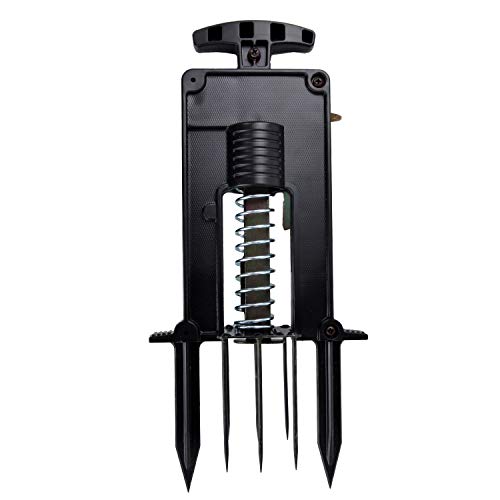 Victor Easy-to-Set DeadSet Mole Trap |
8.6/10 | Buy | |
 Stokes Butterfly Book : The Complete Guide |
8.0/10 | Buy | |
| Best Value |
 Black & Decker The Book of Home How-To Complete |
9.2/10 | Buy |
Readers working through this often check how to make garden patio next.
Practical Strategies for Effortless Outdoor Spaces
| Design Element | Easy Patio Recommendation | Primary Benefit |
|---|---|---|
| Frame Material | HDPE Poly Lumber or Powder-Coated Aluminum | Zero-maintenance and rust-resistant |
| Textile Fiber | Solution-Dyed Acrylic | Superior UV and water resistance |
| Layout Clearance | 36 inches for dining, 30 inches for walkways | Safe and fluid traffic flow |
| Cushion Foam | Reticulated Quick-Dry Foam | Prevents mold and mildew growth |
Before selecting specific furniture pieces, it is essential to understand the core components that define an easy-to-manage outdoor area. The foundation of an effortless patio is not the surface material but the selection of durable, low-maintenance furniture that can withstand exposure without daily care. This shifts the focus from construction to curation, allowing you to spend time enjoying the space rather than maintaining it.
Here are the key elements to prioritize when planning your outdoor setup:
- Choose weather-resistant frame materials like aluminum or HDPE
- Select solution-dyed fabrics for maximum colorfastness
- Ensure adequate clearance for safe movement and access
- Opt for quick-dry foam inserts in all cushions
- Use modular pieces for flexible seasonal reconfiguration
Material Selection for Low-Maintenance Durability
The choice of frame material is the single most significant factor in determining how much time you will spend on maintenance. Traditional wood, such as teak or acacia, requires regular oiling or sealing to prevent graying and cracking. While these woods offer a natural aesthetic, they demand a seasonal commitment that many homeowners find burdensome. In contrast, synthetic and metal alternatives offer a “set it and forget it” experience that aligns perfectly with the goal of an easy patio.
High-density polyethylene (HDPE) poly lumber is a top choice for those seeking zero-maintenance durability. This material is made from recycled plastics and is highly resistant to rot, insect damage, and UV degradation. It does not require staining, sealing, or painting, and it can be cleaned with a simple hose-down. Powder-coated aluminum is another excellent option, particularly for coastal or humid environments. The powder coating process creates a hard, protective layer that resists rust and corrosion, ensuring the frame remains structurally sound and visually appealing for years without rust remediation.
Textile Performance and Cushion Engineering
Furniture fabrics are the first component to show signs of wear in outdoor settings. To maintain an easy patio, you must prioritize textiles that are engineered for outdoor exposure rather than those designed for indoor use. Solution-dyed acrylic and olefin are the gold standards for outdoor performance textiles. In the solution-dyed process, color pigments are added to the liquid polymer before the fiber is extruded. This results in a fabric where the color is inherent to the fiber itself, providing exceptional resistance to UV fading and chlorine exposure.
Cushion internals play an equally critical role in preventing hidden damage. Standard polyurethane foam wrapped in Dacron batting tends to trap moisture, leading to mildew, mold, and persistent musty odors. To avoid this, look for cushions filled with reticulated open-cell quick-dry foam.
This foam has a porous structure that allows water to pass through rather than be absorbed. When combined with a mesh bottom drainage layer, the cushion can dry quickly after rain or cleaning. This engineering detail is vital for preventing the structural degradation and health hazards associated with waterlogged outdoor seating.
Spatial Planning and Clearance Ergonomics
An easy patio is not just about durable materials; it is also about a layout that facilitates comfortable and safe movement. Poor spatial planning can make a small deck feel cramped or a large patio inefficient. The key to a fluid layout is understanding and respecting standard clearance dimensions. These measurements ensure that chairs can be pulled out without hitting walls or other furniture and that people can walk through the space without bumping into table legs.
For dining areas, a minimum of 36 inches of clearance is required behind each chair to allow for safe pushback and exit. This space is often overlooked in tight layouts, leading to awkward maneuvering and potential damage to the furniture.
For primary walkways that connect different parts of the patio or lead to the house, a width of at least 30 inches is recommended. This width allows two people to pass each other comfortably. By mapping out these clearances before placing furniture, you create a functional flow that enhances the usability of the space without requiring constant adjustment.
For more on a connected point, our page on how to make patio look nice goes into it separately.
Modular Design and Seasonal Adaptability
One of the most effective ways to simplify patio management is to choose modular furniture. Modular sectionals and dining sets are designed with interlocking brackets or clips that allow you to configure the pieces in various shapes. This flexibility is particularly useful for adapting to different seasons or events. In the summer, you might arrange a large U-shape for extended lounging. In the fall, you can disassemble the set into smaller, more manageable pieces for storage or rearrangement.
Modularity also simplifies off-season storage. Instead of trying to fit a bulky, fixed sectional into a garage or shed, you can break it down into individual modules. This reduces the spatial footprint required for storage and makes handling the pieces easier.
When selecting modular furniture, ensure that the connector mechanisms are made of durable materials, such as stainless steel or high-impact plastic, to prevent wear and tear over time. This adaptability is a key component of an easy patio strategy, as it allows the space to evolve with your needs without requiring new purchases or complex reconfiguration.
Wind Stability and Environmental Resilience
Environmental factors, particularly wind, can significantly impact the usability and safety of an outdoor space. Lightweight furniture, such as tubular aluminum chairs or small side tables, can be displaced by sudden gusts, causing damage to the furniture and potential injury to people. To mitigate this risk, it is important to consider the weight and stability of your furniture selection. Heavier frames, such as those made of cast aluminum or solid HDPE lumber, provide greater ballast and are less likely to be moved by wind.
For exposed decks or rooftop terraces, you may need to use additional anchoring solutions. Weighted bases, sandbags, or specialized anchors can be used to secure lightweight furniture in place. It is important to follow manufacturer guidelines when using anchors to avoid damaging the deck or frame.
Additionally, consider the placement of furniture relative to wind corridors. Positioning heavier pieces downwind or using natural barriers like shrubs or fences can help reduce wind impact. By proactively addressing wind stability, you ensure that your patio remains a safe and enjoyable space regardless of weather conditions.
Essential Maintenance and Care Routines
Even with low-maintenance materials, some level of care is necessary to preserve the appearance and longevity of your patio furniture. Regular cleaning is the most basic requirement. For most materials, a simple wash with mild soap and water is sufficient to remove dirt, pollen, and light stains.
Avoid using harsh chemicals or high-pressure washers, as these can damage finishes, fabrics, and frame joints. For tougher stains, such as barbecue grease or sunscreen oils, a specialized outdoor fabric cleaner may be needed. Always test any cleaning product on a small, inconspicuous area first to ensure it does not cause discoloration or damage.
Seasonal care is also important for protecting your investment. In the fall, it is advisable to clean and dry all furniture before storing it for the winter. If you do not have indoor storage space, use breathable furniture covers to protect against dust, debris, and moisture. Non-breathable vinyl covers can trap condensation, leading to mold and mildew growth, so always choose covers with ventilation panels.
In the spring, inspect the furniture for any signs of wear, such as loose hardware, cracked frames, or frayed fabric, and make any necessary repairs before placing the pieces back in use. This proactive approach to maintenance ensures that your patio remains in top condition for years to come.
Here are the key maintenance steps to include in your seasonal routine:
- Clean frames and cushions with mild soap and water
- Inspect hardware for tightness and corrosion
- Check fabrics for signs of UV fading or fraying
- Store cushions vertically to ensure complete drying
- Use breathable covers for off-season protection
Creating an easy patio is about making smart choices that minimize upkeep while maximizing comfort and durability. By focusing on weather-resistant materials, proper spatial planning, and modular design, you can transform your outdoor space into a low-effort, high-reward environment. These strategies allow you to enjoy the benefits of outdoor living without the burden of intensive maintenance.
Whether you are working with a small balcony or a large backyard deck, these principles will help you create a space that is both beautiful and functional. Remember that the goal is not to eliminate all maintenance, but to streamline it so that it becomes a simple, manageable task rather than a time-consuming chore.
For more on a connected point, our page on how to make a garden on a patio goes into it separately.
About the author
Zoe Sessums is a design writer and editor whose work spans home tours, furniture reviews, and interior design. She has written about sofas, accent chairs, and versatile home furnishings, bringing an eye for design and everyday usability to her coverage.