
How to Make Covered Patio
Learn how to make a covered patio by mastering structural planning, drainage slopes, and material selection for durable outdoor living in November 2026.
 By Monique Valeris
Updated November 8, 2026


Building a covered patio transforms an unused backyard corner into a functional outdoor room that withstands rain, sun, and wind. The core process involves establishing a stable foundation, installing a load-bearing roof structure, and integrating proper drainage to protect your investment from water damage. This guide breaks down the practical steps for planning, framing, and finishing a durable shelter that enhances your property value and extends your outdoor living season.
Success depends on understanding local building codes, selecting weather-resistant materials, and executing precise measurements for the roof pitch. Whether you are adding a pergola, a solid roof, or a screen enclosure, the underlying principles of structural integrity and water management remain consistent. By following a methodical approach, you can create a space that is both aesthetically pleasing and structurally sound for years to come.
| Award | Product | FCH Score About FCH ScoreThe FCH Score is our own rating from 0 to 10, based on performance, design and build, ease of use, and value. It reflects independent research and is never influenced by manufacturers, retailers, or affiliate commissions. Learn more › | |
|---|---|---|---|
| Best Budget |
Blueberries in Your Backyard
|
8.6/10 | Buy |
| Best Value |
 How to Be Safe Around Animals Aluminum Metal Sign |
9.2/10 | Buy |
| Best Premium |
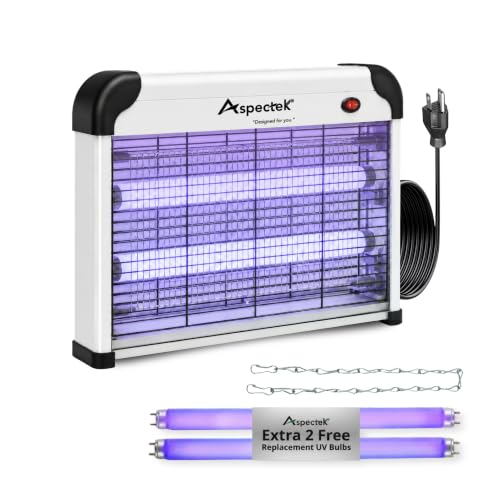 ASPECTEK 20W Electric Bug Zapper |
9.1/10 | Buy |
 Backyard Homesteading: A Back-to-Basics Guide |
8.0/10 | Buy | |
 How to Make 1 000 000 Funny Sign Vintage Aluminum |
8.9/10 | Buy | |
 How to Order Beer Around the World Aluminum Metal |
7.8/10 | Buy | |
 Homestead Basics: Books 1-6 |
9.1/10 | Buy | |
 The Backyard Vintner: An Enthusiast's Guide |
8.0/10 | Buy | |
 Hur Mr Du Swedish Welcome Phrase Aluminum Metal |
7.8/10 | Buy | |
 Your Backyard Herb Garden |
8.9/10 | Buy | |
| Best Overall |
 Birds of the Pacific Northwest |
9.2/10 | Buy |
Readers working through this often check how to make cheap patio next.
Planning and Structural Basics for a Covered Patio
Before breaking ground, you must define the functional purpose of the space, as a covered patio can serve as a dining area, a lounge zone, or a transitional space between the house and the garden.
- Each specific use case dictates different ceiling heights, roof styles, and ventilation requirements for the structure.
- For dining purposes, you need adequate headroom and lighting to ensure comfort and functionality.
- For lounging activities, shade and wind protection are more critical than other structural considerations.
Local building codes are the first technical constraint to address. Most municipalities require permits for structures exceeding specific square footages or heights. Failure to obtain these permits can lead to fines and complicate future home sales. Check with your local planning department to understand setback requirements, which dictate how close the structure can be to property lines and neighboring buildings.
| Component | Typical Specification | Primary Function |
|---|---|---|
| Roof Pitch | 1/12 to 2/12 slope | Water drainage |
| Post Spacing | 8 to 10 feet | Structural support |
| Foundation Depth | 36 inches below frost line | Stability and freeze-thaw resistance |
| Overhang | 12 to 18 inches | Weather protection for walls |
- Verify local zoning laws for setbacks and height limits
- Determine if a permit is required for the proposed size
- Select a roof style based on local rainfall patterns
- Plan for electrical conduit if lighting is intended
Foundation and Post Installation
The foundation is the most critical structural element of a covered patio. Posts must be anchored securely to resist wind uplift and lateral loads. In most climates, concrete footings are poured below the frost line to prevent heaving during winter freeze-thaw cycles. If your region does not experience deep freezing, shallower footings may be permitted, but deeper is always safer for long-term stability.
Post spacing typically ranges between 8 and 10 feet, depending on the size of the beams they support. Wider spans require larger beam dimensions or additional intermediate posts. Use pressure-treated lumber or aluminum for posts that will be in direct contact with the ground. Aluminum offers superior resistance to rot and insect damage, making it a popular choice for coastal or high-humidity areas where wood preservation is a concern.
Roof Framing and Pitch Design
The roof pitch determines how effectively water sheds off the structure. A minimum slope of 1/12 is generally recommended for solid roofs to ensure water does not pool. Steeper pitches, such as 2/12 or 4/12, are better suited for regions with heavy snow loads, as they allow snow to slide off more easily. The pitch also influences the aesthetic profile of the patio, with steeper roofs appearing more traditional and shallower pitches looking more modern.
Beam sizing must correspond to the span between posts. Undersized beams can deflect over time, leading to sagging and potential structural failure. Use engineering tables or consult a structural engineer to determine the correct beam depth and width. For spans exceeding 12 feet, laminated wood or steel I-beams may be necessary to maintain rigidity without excessive visual bulk.
Choosing Roofing Materials
Material selection impacts both the cost and the maintenance requirements of your covered patio. Asphalt shingles are a cost-effective option that blends well with existing house roofing. Metal roofing, such as standing seam steel, offers superior durability and water shedding capabilities. It is also lighter than tile, reducing the load on the structural frame. For a more open feel, polycarbonate panels or corrugated metal can provide rain protection while allowing some natural light to filter through.
Consider the thermal properties of the roofing material. Dark colors absorb heat, which can make the space uncomfortably hot during summer months. Lighter colors or reflective coatings can help mitigate this issue. If you plan to use the space in colder months, insulation within the roof assembly can improve energy efficiency and comfort, though this adds complexity to the build.
Drainage and Water Management
Proper drainage is essential to prevent water from pooling around the foundation or eroding the patio surface. The ground should be graded to slope away from the structure, typically at a rate of 1 to 2 percent. This ensures that rainwater flows away from the posts and beams, reducing the risk of moisture intrusion and rot. If the patio is built on a concrete slab, ensure the slab has a slight slope toward a drain or the yard.
Install gutters and downspouts to manage roof runoff. Without gutters, water can cascade off the roof edge, causing erosion and damaging landscaping. Direct downspouts to a rain barrel, a French drain, or a safe discharge point away from the foundation. Regular maintenance of gutters is also crucial to prevent blockages that can lead to ice dams in winter or overflow in heavy rain.
Walls, Screens, and Enclosures
Adding walls or screens can extend the usability of the patio into cooler months and provide privacy. Vinyl screens are a popular choice for insect protection due to their durability and low maintenance. They resist UV degradation and do not rust like metal screens. For a more substantial enclosure, consider frameless glass panels or sliding doors that can be opened or closed based on weather conditions.
If you opt for solid walls, ensure they are properly insulated and vapor-barriered to prevent condensation. Condensation can lead to mold growth and structural damage if not managed correctly. Ventilation is key in enclosed spaces to allow moisture to escape. Consider installing louvered vents or operable windows to facilitate air circulation.
Electrical and Lighting Integration
Lighting enhances the ambiance and functionality of a covered patio. Recessed LED lights in the ceiling provide general illumination, while string lights or post-mounted fixtures create a cozy atmosphere. Ensure all electrical work is performed by a licensed electrician and complies with local codes. Use weather-rated fixtures and GFCI-protected outlets to prevent electrical hazards in damp environments.
Consider the placement of outlets for fans, heaters, or entertainment systems. Concealing wiring within walls or posts keeps the aesthetic clean and reduces tripping hazards. If you plan to install a ceiling fan, ensure the structure is rated to support its weight and that the motor is suitable for outdoor use. Proper grounding and circuit protection are non-negotiable for safety.
Finishing Touches and Maintenance
Once the structure is complete, apply finishing touches such as staining or painting exposed wood. Pressure-treated wood should be allowed to dry thoroughly before applying sealants to ensure proper adhesion. Aluminum and steel components may require periodic cleaning to remove dirt and prevent corrosion. Inspect the structure annually for signs of wear, such as loose fasteners, cracked shingles, or rotting wood.
Maintenance is an ongoing commitment that preserves the integrity and appearance of your covered patio. Clear debris from the roof and gutters regularly, especially after storms. Check the foundation for cracks or shifts, and re-apply sealants to wood surfaces as recommended by the manufacturer. By staying proactive with maintenance, you can extend the life of your patio and enjoy it for many years.
Creating a covered patio is a significant home improvement project that requires careful planning and execution. By focusing on structural integrity, proper drainage, and material selection, you can build a space that stands the test of time. Whether you choose a simple pergola or a fully enclosed room, the key is to address the environmental factors specific to your location. With the right approach, your covered patio will become a beloved extension of your home.
Readers working through this often check how to make easy patio next.
About the author
Monique Valeris is a home editor with extensive experience covering interior design, decorating ideas, and practical household finds. Her work explores accessible furniture, storage solutions, and ways to make living spaces feel personal without overlooking budget.