
How to Build a Patio on a Budget: Key Facts
Learn practical, low-cost methods to build a patio on a budget using pavers, gravel, or concrete for November 2026.
 By Kate McGregor
Updated November 8, 2026


Building a patio on a budget is absolutely feasible by selecting affordable surface materials like pavers, gravel, or stamped concrete and managing labor costs through DIY execution. The primary cost drivers are the square footage of the area, the unit price of the chosen material, and the complexity of the site preparation. Most homeowners can complete a standard patio project for a fraction of the cost of hired labor by focusing on efficient design and sourcing discounted or reclaimed materials.
The process begins with accurate measurement and site leveling, which prevents costly errors in material ordering. Once the foundation is prepared, the choice of surface material determines both the aesthetic and the long-term maintenance requirements. This guide breaks down the essential steps for planning, preparing, and installing a durable outdoor space without overspending, ensuring a functional area for relaxation and entertainment that fits your financial constraints.
| Award | Product | FCH Score About FCH ScoreThe FCH Score is our own rating from 0 to 10, based on performance, design and build, ease of use, and value. It reflects independent research and is never influenced by manufacturers, retailers, or affiliate commissions. Learn more › | |
|---|---|---|---|
|
DIY DECK FOR BEGINNERS: Build A Strong, Beautiful
|
7.8/10 | Buy | |
| Best Value |
 DIY Deck Building for Beginners |
8.4/10 | Buy |
 THE COMPLETE BACKYARD & OUTDOOR DIY BIBLE |
8.3/10 | Buy | |
| Best Premium |
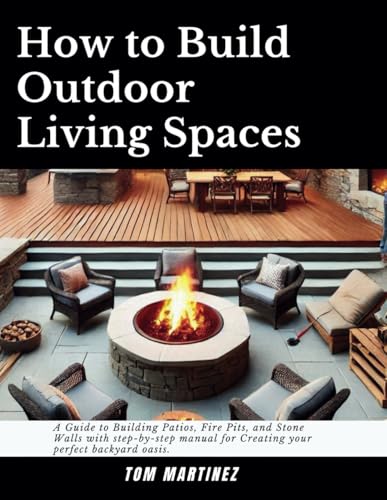 How to Build Outdoor Living Spaces |
8.4/10 | Buy |
 How to Create Outdoor Wood Projects |
8.3/10 | Buy | |
| Best Overall |
 How to Build a Backyard Bar for under $500 |
8.8/10 | Buy |
| Best Budget |
 THE RAISED BED & CONTAINER GARDENING HANDBOOK |
8.4/10 | Buy |
A closely related question is covered in is it easy to build a patio, which may help alongside this section.
Essential Steps for a Budget-Friendly Patio Build
Success in this project relies on understanding the balance between material costs and labor effort. The following reference table outlines common low-budget patio surfaces and their typical characteristics to help you make an informed selection based on your specific site conditions and aesthetic preferences.
| Surface Type | Primary Cost Driver | Maintenance Level | DIY Difficulty |
|---|---|---|---|
| Interlocking Pavers | Material Quantity | Medium | Beginner |
| Crushed Gravel | Material Quantity | Low | Beginner |
| Stamped Concrete | Material & Labor | Low | Advanced |
| Reclaimed Brick | Sourcing & Prep | Medium | Intermediate |
The first critical step is defining the scope of your project. Before purchasing any materials, you must determine the exact square footage and shape of the intended area. This measurement directly impacts your material budget, as ordering too little requires expensive re-orders, while ordering too much wastes money. Use a laser measure or a long tape measure to mark out the perimeter with string and stakes. This physical boundary helps visualize the space and ensures accurate calculations for the base layer and surface material.
Site preparation is where most budget projects either succeed or fail. The ground must be stable and level to support the weight of the patio and any furniture placed on it. Start by removing all vegetation, grass, and topsoil from the designated area. This step prevents organic matter from decomposing under the patio, which would cause the surface to sink and become uneven over time. Renting a small skid-steer or using a manual shovel are both viable options depending on the size of the project and your local rental rates.
Preparing a Stable Foundation
Once the topsoil is removed, you need to establish a compacted base layer. This layer is typically made of crushed stone or gravel, which provides drainage and structural support. The depth of this base usually ranges from four to six inches, depending on the soil type and local freeze-thaw cycles. In areas with heavy rainfall or freezing winters, a deeper base is recommended to prevent heaving. Use a plate compactor to pack the stone in layers, ensuring a solid, unyielding foundation that will not shift under load.
Leveling the base is a critical task that requires patience and the right tools. A long straightedge or a level attached to a board can be used to check for consistency across the entire area. Any low spots must be filled with additional stone and compacted, while high spots must be shaved down.
This process ensures that the final surface material lays flat without creating trip hazards or pooling water. Proper drainage is essential; the patio should slope slightly away from any structures to direct rainwater away from foundations and prevent erosion around the perimeter.
Here is a checklist of essential tools and materials to have on hand before starting the excavation and base preparation phase:
- Rental plate compactor for stone base
- Long straightedge or 10-foot level
- String line and stakes for layout
- Crushed stone or gravel for base
- Wheelbarrow for material transport
- Shovel and edging tools for cleanup
Selecting Affordable Surface Materials
Interlocking pavers are a popular choice for budget-conscious builders due to their flexibility and wide range of colors. They can be arranged in various patterns to create a custom look without the need for specialized installation skills. Pavers are also easy to repair if a single unit cracks or shifts; you can simply lift the affected piece and replace it. This modularity makes them a smart long-term investment, as you avoid the cost of replacing an entire slab if damage occurs.
Crushed gravel offers the lowest upfront cost and is the easiest to install. It requires minimal preparation and can be spread and raked by hand. However, gravel requires more frequent maintenance to keep it level and contained. Edging is crucial for gravel patios to prevent the material from spreading onto the lawn. This type of surface is ideal for casual outdoor dining or as a transition area between the house and the garden, where a more formal look is not required.
Stamped concrete provides a durable, seamless surface that can mimic the look of brick or stone. While the material cost is higher than pavers, the labor cost can be minimized by doing the stamping yourself if you have the experience. Stamped concrete is resistant to weeds and does not require edging, making it a low-maintenance option. The key to saving money with concrete is ordering the right amount to avoid waste, as concrete cannot be stored once mixed. Coordinate with the supplier to ensure the delivery matches your calculated volume.
Readers working through this often check how to build a patio deck with wood next.
Managing Labor and Installation Costs
Labor is often the most significant expense in patio construction. By handling the installation yourself, you can save thousands of dollars. However, this requires a commitment of time and physical effort. Plan your schedule to allow for several days of work, especially if you are dealing with a large area or complex patterns. Break the project into manageable daily tasks, such as excavation on day one, base preparation on day two, and surface installation on day three.
If you lack experience with certain tasks, consider hiring a professional for just one specific part of the job. For example, you might hire an excavator to remove the topsoil and prepare the base, then handle the paver installation yourself. This hybrid approach reduces the total labor cost while ensuring the most difficult and equipment-intensive parts are done correctly. Always obtain multiple quotes from local contractors to ensure you are getting a competitive rate for the specific scope of work you need.
Sourcing materials strategically can also significantly impact your budget. Look for local suppliers who offer discounts for bulk purchases or have overstock items at reduced prices. Reclaimed materials, such as used bricks or concrete slabs, can be an excellent option for a unique look at a lower cost. Check local salvage yards or online marketplaces for these items. Inspect reclaimed materials carefully for cracks or damage before purchasing to ensure they are structurally sound for outdoor use.
Here are key points to keep in mind when managing your installation budget and timeline:
- Order materials in bulk for discounts
- Check local salvage yards for bricks
- Plan work around weather forecasts
- Hire help for heavy lifting tasks
- Keep a detailed inventory of supplies
- Allow extra time for curing concrete
Designing for Functionality and Flow
A budget patio is not just about saving money; it is about creating a functional outdoor living space. Consider how you will use the area. Will it be for dining, lounging, or both? The layout should accommodate furniture, foot traffic, and any planned features like a fire pit or outdoor kitchen. Ensure there is enough space to move around tables and chairs comfortably. A general rule of thumb is to allow at least 36 inches of clearance around dining tables for easy chair pushback and traffic flow.
Lighting is another aspect that can be added on a budget. String lights or solar-powered path lights can transform the space for evening use without the high cost of hardwired electrical fixtures. These additions are easy to install and can be moved or adjusted as your needs change. Incorporating lighting early in the design phase helps you plan for power sources and placement, ensuring the final result is cohesive and inviting.
Integration with the surrounding landscape is also important. A patio that blends seamlessly with the garden or lawn looks more professional and adds value to the property. Use edging to create a clean transition between the hardscape and softscape. Planting perennials or shrubs around the perimeter can soften the hard edges of the patio and provide privacy. This approach enhances the overall aesthetic and makes the space feel like a natural extension of the home.
Long-Term Maintenance and Cost Savings
Choosing the right material also impacts long-term maintenance costs. Pavers and concrete require periodic cleaning and sealing to protect against stains and weathering. Gravel needs to be re-leveled and weeded regularly. Understanding these maintenance requirements helps you budget for future upkeep. Sealing a concrete or paver patio every two to three years can extend its life and keep it looking new. This is a relatively inexpensive task that can be done with a roller or sprayer.
Preventing damage is key to saving money in the long run. Avoid using harsh chemicals on the surface, as they can degrade the material and cause discoloration. Use a broom or leaf blower to remove debris regularly, preventing it from settling into joints or cracks. In winter, avoid using salt-based ice melters on concrete or pavers, as they can cause surface erosion. Instead, use sand or calcium chloride, which are less damaging to the material.
By taking a proactive approach to maintenance, you can extend the life of your patio and avoid costly repairs. Regular inspections for cracks or shifting pavers allow you to address issues before they become major problems. This disciplined care ensures that your budget patio remains a beautiful and functional part of your home for years to come. The initial investment in quality materials and proper installation pays off in durability and reduced long-term expenses.
For those looking to expand their outdoor living space beyond the patio, understanding the broader principles of outdoor construction can be very helpful. Many homeowners find that the skills learned during a patio build translate well to other projects, such as building a deck or installing a fire pit.
A resource like this outdoor furniture guide can help you select pieces that complement your new hardscape and create a cohesive outdoor environment. Integrating the right furniture with your patio design ensures that the space is not only structurally sound but also comfortable and stylish.
In conclusion, building a patio on a budget is a rewarding project that requires careful planning, efficient material selection, and diligent execution. By focusing on the key areas of site preparation, cost-effective materials, and smart labor management, you can create a durable and attractive outdoor space that fits your financial goals. The success of the project lies in the details, from accurate measurements to proper drainage and aesthetic integration. With the right approach, you can enjoy a beautiful patio for years without breaking the bank.
For more on a connected point, our page on how do you build a patio cover goes into it separately.
About the author
Kate McGregor is a design and shopping editor with experience covering furniture, home décor, and interior trends. From sleeper sofas to dining chairs and storage solutions, her editorial work explores the details that make furnishings both attractive and practical.