
How to Use Bed Rails: Simple Answer
Bed rails are portable bedside supports for safe transfers. Learn proper setup, safety limits, and usage tips for November 2026.
 By Zoe Sessums
Updated October 24, 2026
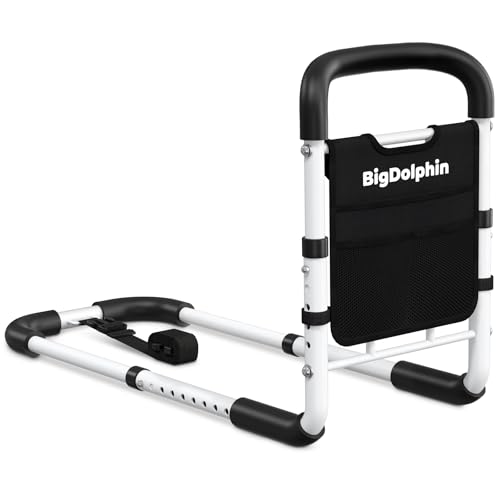

Bed rails are portable bedside supports designed to assist with safe sitting, standing, and repositioning in bed.
- They are not fall-prevention devices and must never be used to restrain a person.
- Proper use involves correct attachment, height adjustment, and adherence to weight limits.
- These specific actions are required to ensure stability and safety for the user.
Using how to use bed rails effectively requires understanding the specific mechanics of your model, whether it is a strap-secured under-mattress rail or a clamp-on system. This guide covers the essential steps for installation, daily usage, and critical safety checks to maximize independence while minimizing risk for seniors and individuals with limited mobility.
| Award | Product | FCH Score About FCH ScoreThe FCH Score is our own rating from 0 to 10, based on performance, design and build, ease of use, and value. It reflects independent research and is never influenced by manufacturers, retailers, or affiliate commissions. Learn more › | |
|---|---|---|---|
| Best Overall |
BigDolphin BS06 Bed Assist Rail for Seniors
|
9.2/10 | Buy |
| Best Budget |
 KingPavonini Bed Assist Rail for Seniors |
9.2/10 | Buy |
| Best Premium |
 Drive Medical No Gap Half Length Steel Bed Rails |
9.1/10 | Buy |
 Stander EZ Adjust Bed Rail |
9.1/10 | Buy | |
| Best Value |
 YrHeiper Bed Rail for Elderly Adults |
8.8/10 | Buy |
 Medical King Adjustable Bed Assist Rail |
8.3/10 | Buy | |
 Medical King Adjustable Bed Assist Rail |
8.1/10 | Buy |
BigDolphin BS06 Bed Assist Rail for Seniors
The BigDolphin BS06 is an ASTM-reviewed bedside safety rail engineered to provide dependable transfer support on standard Twin through King bed frames without requiring a box spring replacement. Featuring a 350-pound load capacity, an anchoring safety strap, and adjustable frame dimensions for 2 to 10-inch mattresses, it offers stable assistance for mobility-focused bedrooms.
Pros
- Meets recognized ASTM safety benchmarks for household bed assist handles
- Stated 350-pound static weight capacity with reinforced structural crossbars
- Horizontal base extends from 23.6 to 31.5 inches to span Twin through King bed sizes
- 30-degree angled foam handle promotes comfortable wrist ergonomics during bed entry and exit
- Included anchoring tether strap secures the rail directly to the bed frame to prevent shifting
Cons
- Strictly incompatible with motorized adjustable bed bases and articulating foundations
- Limited to mattress profiles between 2 and 10 inches, excluding extra-deep hybrid pillow-tops
- Requires access beneath the mattress to route and tighten the perimeter anchor strap
KingPavonini Bed Assist Rail for Seniors
The KingPavonini BM03-1 Bed Assist Rail is an ASTM-compliant safety support accessory engineered for standard Twin through King beds with mattress depths from 3 to 12 inches. Providing a 380-pound weight capacity and tool-free assembly, it offers stable assistance for seniors and individuals recovering from mobility limitations, though it is not compatible with adjustable beds.
Pros
- Reinforced structural design supports up to 380 pounds and meets U.S. ASTM safety standards.
- Broad frame compatibility across standard Twin, Twin XL, Full, Queen, and King mattress foundations.
- Adjustable height (17.6 to 20.9 inches) and horizontal depth (28.6 to 34.7 inches) provide a tailored fit.
- Tool-free setup with slip-resistant padded grip and bonus bedside storage organizer pouch.
Cons
- Not compatible with motorized adjustable bed bases or articulated power foundations.
- Limited to mattresses between 3 and 12 inches thick, excluding extra-deep pillow tops.
- May require additional stabilization when used on widely spaced open-slat platform beds.
Stander EZ Adjust Bed Rail
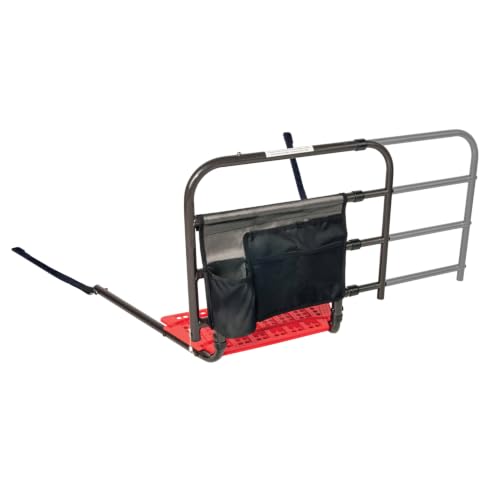
The Stander EZ Adjust Bed Rail provides dependable fall prevention and bedside standing support, securing beneath 10- to 14-inch mattresses on platform beds, box springs, or slat foundations via an anchor safety strap. Supporting up to 300 pounds and adjusting from 20 to 30 inches, it offers essential mobility support for seniors and post-surgery recovery.
Pros
- Passes the ASTM F3186-17 safety standard for adult portable bed rails to reduce entrapment risks
- Dual-purpose design telescopes from 20 to 30 inches for sitting assistance and nighttime fall protection
- Anchors firmly to platform beds, box springs, and slatted foundations with an included safety strap
- Supports up to 300 pounds and includes a convenient multi-pocket bedside organizer pouch
Cons
- Incompatible with motorized adjustable power foundations and hospital beds
- Strictly designed for mattresses between 10 and 14 inches thick, excluding thin pads and deep pillowtops
- Requires lifting the mattress to route and tighten the under-frame anchor safety strap
YrHeiper Bed Rail for Elderly Adults
The YrHeiper Bed Assist Rail provides reliable leverage and bedside fall prevention, featuring a 350-pound rated steel frame with stabilizing floor support legs. Designed to slide under mattresses between 7.9 and 13 inches on platform beds or standard frames, it installs tool-free using heavy-duty safety straps.
Pros
- Certified to ASTM F3186-17 standards with a manufacturer-stated 350-pound static weight capacity
- Stabilizing floor support legs distribute user weight to the floor rather than relying solely on the mattress edge
- Tool-free setup secures firmly between mattress and base using included heavy-duty tie-down straps
- Compatible with standard Twin, Full, Queen, and King beds on platform or box spring foundations
- Comfortable non-slip foam hand grip and integrated mesh storage organizer pocket
Cons
- Incompatible with drop-in recessed bed frames where the mattress sits inside a raised perimeter lip
- Cannot be installed on motorized articulating adjustable power bases
- Restricted to mattresses between 7.9 and 13 inches thick, excluding ultra-thin pads and extra-deep pillow tops
Medical King Adjustable Bed Assist Rail
Designed to help seniors enter and exit bed safely, this Medical King rail slides beneath the mattress and secures with a safety strap. It features tool-free height adjustment, a non-slip handle, and a removable storage pocket for essentials.
Pros
- Simple assembly without any tools required
- Height-adjustable frame fits multiple bed sizes
- Non-slip padded handle provides steady leverage
- Includes removable storage pocket for daily essentials
Cons
- Not intended for use with children
- Requires proper mattress placement and strap anchoring
Medical King Adjustable Bed Assist Rail
Designed to assist seniors getting in and out of bed safely, this slide-under rail features tool-free assembly and an adjustable height frame. A non-slip padded handle and removable storage pouch provide reliable everyday support and convenience.
Pros
- Simple tool-free assembly
- Adjustable height accommodates various mattress depths
- Non-slip padded handle ensures a secure grip
- Included organizer pouch keeps personal items nearby
Cons
- Not designed or rated for pediatric use
- Requires mattress weight and strap tension to stabilize
Readers working through this often check best air bed everyday use next.
Mastering Safe Bed Rail Setup and Usage
| Feature | Typical Specification | Usage Note |
|---|---|---|
| Weight Capacity | 300 to 380 lbs | Includes user weight only; do not exceed manufacturer rating |
| Mattress Fit | 2 to 14 inches thick | Verify specific model range before purchase |
| Bed Size Compatibility | Twin to King | Not for adjustable or hospital beds unless specified |
| Installation Type | Strap or Clamp | Straps must be tight; clamps require flat frame surfaces |
Before handling the rail, clear the bedside area of clutter to prevent tripping hazards. Ensure the bed frame is stable and does not wobble when pressure is applied. Check the mattress thickness against the product specifications, as most portable rails are designed for standard heights ranging from 2 to 14 inches. If the mattress is too thick or too thin, the rail may not secure properly, leading to instability during use.
Most modern portable bed rails use a strap system that slides under the mattress and tightens around the frame. This method is preferred for home use because it does not require drilling or permanent hardware. However, the strap must be pulled tight enough to eliminate any slack. A loose strap allows the rail to shift when the user applies weight, which can cause the rail to tip or detach. Always verify that the strap is seated firmly against the bed frame, not just the mattress fabric.
Pre-Installation Safety Checks
Inspect the rail for any signs of damage, such as bent metal, cracked plastic, or frayed straps. Even minor damage can compromise the structural integrity of the device. Check the padding on the handle to ensure it is intact and not peeling, as this affects grip comfort and safety. If the rail has been dropped or subjected to excessive force, it should be replaced rather than repaired, as internal stress fractures may not be visible.
Confirm that the bed is compatible with the rail type. Standard platform beds, box springs, and slat beds are generally compatible with strap-secured rails. Adjustable beds, however, are typically incompatible because the moving parts interfere with the strap mechanism and the rail’s stability. Using a portable rail on an adjustable bed can lead to entrapment or injury as the bed moves. Always read the manufacturer’s compatibility list before attempting installation.
Measure the distance from the floor to the top of the mattress to ensure it falls within the rail’s adjustable range. Most rails offer a height adjustment range of 17 to 21 inches, but this can vary by model. If the bed height is outside this range, the rail will not provide adequate support, and the user may be at risk of falling. In such cases, consider a different rail model or a permanent bedside rail system that offers a wider range of adjustment.
Step-by-Step Installation Process
Start by sliding the base of the rail under the mattress, positioning it at the desired height. The base should be centered on the bed frame to distribute weight evenly. Once the base is in place, pull the straps out from under the mattress and thread them through the rail’s attachment points. Ensure the straps are not twisted, as this can weaken the material and reduce holding power.
Tighten the straps until the rail is firmly anchored to the bed frame. You should not be able to move the rail by hand once it is secured. Test the stability by applying gentle pressure to the handle. If the rail shifts or wobbles, re-tighten the straps or reposition the base. A secure installation is critical for safety, as the rail must support the user’s full weight during transfers.
Adjust the height of the rail to a comfortable level for the user. The handle should be at a height that allows the user to grip it comfortably without straining their shoulders or back. Most users find a handle height between 17 and 20 inches to be optimal, but this can vary based on individual height and mobility needs. Test the height by having the user sit on the edge of the bed and reach for the handle. It should be easy to grasp without excessive reaching or bending.
Once the height is set, lock the adjustment mechanism in place. Most rails use a simple twist-lock or pin system to secure the height. Ensure the lock is fully engaged to prevent the rail from collapsing during use. If the rail has a curved handle, check that it is oriented correctly to provide a natural grip. A properly installed rail should feel solid and stable, with no play or movement in the joints.
Proper Usage Techniques for Transfers
When using the bed rail to get out of bed, position yourself on the edge of the mattress with your feet flat on the floor. Grip the handle firmly with both hands, distributing your weight evenly. Push down on the handle to support your upper body weight as you lean forward and stand. Avoid pulling yourself up with one arm, as this can strain the shoulder and destabilize the rail. The rail is designed to assist with balance and leverage, not to bear the full weight of the user’s body.
For sitting up in bed, place the rail on the side you intend to sit up on. Grip the handle and use it to support your torso as you pivot from a lying to a sitting position. Keep your core engaged to maintain balance, and use the rail as a guide rather than a primary support. If you feel unstable, lower yourself back down and reposition the rail or seek assistance. The rail should make the transition smoother, not replace the need for proper body mechanics.
When returning to bed, approach the mattress from the side where the rail is installed. Grip the handle and use it to lower yourself onto the mattress slowly. Keep your feet together and your back straight to maintain control. Once you are lying down, release the handle and adjust your position as needed. The rail should remain in place throughout the process, providing a stable point of contact for safe repositioning.
Use the rail to reposition in bed by gripping the handle and using it to pivot your body. This is particularly useful for users who have difficulty turning over due to pain or limited mobility. Move slowly and deliberately, using the rail to support your weight as you shift. If you experience any pain or discomfort, stop and consult a healthcare professional. The rail is a tool for assistance, not a substitute for proper medical care or physical therapy.
Critical Safety Guidelines and Limitations
Bed rails are not fall-prevention devices. They are designed to assist with transfers and repositioning, not to prevent a user from falling out of bed. Using a rail as a fall-prevention device can create a false sense of security and increase the risk of entrapment or injury. If a user is at high risk of falling, consult a healthcare professional for a comprehensive safety assessment and alternative solutions.
Never use a bed rail to restrain a person. Restraints can cause serious injury, including strangulation, suffocation, or skin breakdown. Bed rails are intended for voluntary use by individuals who have the cognitive ability to understand and consent to their use. If a user has dementia or cognitive impairment, a bed rail may not be appropriate, and alternative safety measures should be considered.
Do not exceed the weight capacity of the rail. The weight capacity includes the user’s weight only, not the weight of the mattress or other objects. Exceeding the weight limit can cause the rail to fail, leading to injury. If the user’s weight is close to the maximum capacity, consider a rail with a higher rating or a permanent bedside rail system. Always check the manufacturer’s specifications to ensure the rail is suitable for the user’s needs.
Keep the area around the bed clear of obstacles, such as chairs, rugs, or clutter. This prevents tripping hazards and ensures the user has enough space to move safely. Ensure the floor is dry and non-slip to reduce the risk of slipping when getting out of bed. A safe environment is just as important as a properly installed rail for preventing accidents and injuries.
Maintenance and Regular Inspection
Inspect the bed rail regularly for signs of wear and tear to ensure safety and prevent unexpected failures that could cause serious injury.
- Check the straps for fraying, cuts, or loose stitching to identify potential weak points in the material.
- Inspect the metal frame for rust, bends, or cracks that might compromise the structural integrity of the rail.
- Examine the handle padding for peeling or damage that could affect grip or indicate underlying structural issues.
- If any part of the rail is damaged, stop using it immediately and replace the component or the entire rail.
Clean the rail with a damp cloth and mild soap to remove dirt, sweat, and bacteria. Avoid using abrasive cleaners or solvents, as these can damage the padding and metal finish. Dry the rail thoroughly after cleaning to prevent rust and moisture buildup. Regular cleaning helps maintain hygiene and extends the life of the rail, ensuring it remains safe and effective for long-term use.
Re-tighten the straps periodically, as they can loosen over time due to vibration and use. Check the height adjustment lock to ensure it is secure and not slipping. Test the rail’s stability by applying gentle pressure to the handle. If the rail feels loose or unstable, re-tighten the straps or reposition the base. Regular maintenance is essential for ensuring the rail remains safe and functional.
Store the rail properly when not in use. If the rail is portable, remove it from the bed and store it in a dry, secure location. This prevents damage from accidental bumps or drops. If the rail is permanently installed, ensure it is securely locked and out of the way. Proper storage protects the rail from damage and ensures it is ready for use when needed.
Common Mistakes to Avoid
One common mistake is installing the rail on an incompatible bed type. Adjustable beds, hospital beds, and beds with recessed frames are often not suitable for portable strap-secured rails. Using a rail on an incompatible bed can lead to instability and injury. Always check the manufacturer’s compatibility list before installation. If in doubt, consult a healthcare professional or the manufacturer for guidance.
Another mistake is failing to tighten the straps sufficiently. A loose strap allows the rail to shift when the user applies weight, which can cause the rail to tip or detach. Always test the rail’s stability after installation by applying gentle pressure to the handle. If the rail moves, re-tighten the straps until it is secure. A stable rail is critical for safe use.
Using the rail as a fall-prevention device is a dangerous mistake. Bed rails are not designed to prevent falls, and using them for this purpose can increase the risk of entrapment or injury. If a user is at high risk of falling, consult a healthcare professional for alternative safety measures. The rail should be used only for voluntary assistance with transfers and repositioning.
Ignoring the weight limit is another critical error. Exceeding the weight capacity can cause the rail to fail, leading to serious injury. Always check the manufacturer’s specifications and ensure the user’s weight is within the rated limit. If the user’s weight is close to the maximum, consider a rail with a higher capacity or a permanent bedside rail system. Safety should always be the top priority.
Choosing the Right Rail for Your Needs
Consider the user’s specific needs when choosing a bed rail. For users with limited mobility, a rail with a higher weight capacity and a sturdy frame is essential. For users who need assistance with sitting up, a rail with a curved handle and comfortable padding is beneficial. For users who need to reposition frequently, a rail with a wide adjustment range is ideal. Match the rail’s features to the user’s needs to ensure maximum safety and comfort.
Check the mattress thickness compatibility before purchasing. Most rails are designed for mattresses between 2 and 14 inches thick, but this can vary by model. If the mattress is outside this range, the rail may not secure properly. Measure the mattress thickness and compare it to the product specifications to ensure a good fit. A proper fit is essential for stability and safety.
Consider the bed size and type. Standard platform beds, box springs, and slat beds are generally compatible with strap-secured rails. Adjustable beds and hospital beds are often incompatible. Check the manufacturer’s compatibility list to ensure the rail will work with your specific bed. If in doubt, consult a healthcare professional or the manufacturer for guidance.
Look for safety certifications, such as ASTM F3186-17, which ensures the rail meets strict safety standards for adult portable bed rails. Certified rails have been independently tested for strength, stability, and entrapment risk. Choosing a certified rail provides peace of mind and ensures the product is safe for use. Always prioritize safety when selecting a bed rail.
Final Safety Reminders
Always follow the manufacturer’s instructions for installation and use. Read the user manual carefully and adhere to all safety guidelines. If you have any questions or concerns, contact the manufacturer or a healthcare professional. Proper use of a bed rail can enhance independence and safety, but only if used correctly.
Regularly inspect the rail for wear and tear and re-tighten the straps as needed. Keep the area around the bed clear of obstacles and ensure the floor is dry and non-slip. Never use the rail to restrain a person or as a fall-prevention device. By following these guidelines, you can ensure the safe and effective use of your bed rail.
For more information on bed dimensions and sizing, refer to our bed size guide. Understanding your bed’s dimensions can help you choose the right rail and ensure a proper fit. Always prioritize safety and comfort when setting up your bedroom environment.
Using bed rails correctly can make a significant difference in daily comfort and safety. By following these steps and adhering to safety guidelines, you can maximize the benefits of your bed rail while minimizing risks. Remember, the rail is a tool for assistance, not a substitute for proper medical care or professional advice. Stay safe and informed.
About the author
Zoe Sessums is a design writer and editor whose work spans home tours, furniture reviews, and interior design. She has written about sofas, accent chairs, and versatile home furnishings, bringing an eye for design and everyday usability to her coverage.