
Back Porch vs Patio: What to Know
Define the structural and spatial differences between a back porch and a patio to plan outdoor furniture layouts correctly in November 2026.
 By Noah Kaufman
Updated November 8, 2026


The distinction between a back porch and a patio hinges on structure, location, and roof coverage. A back porch is typically an attached, roofed extension of the home, while a patio is a detached, open-air paved area. Understanding these differences is essential for selecting furniture that withstands specific weather exposure and fits the available square footage.
Many homeowners confuse these two spaces, leading to poor furniture choices that either look out of place or fail prematurely due to harsh environmental conditions. Whether you are planning a cozy reading nook or a large dining area, recognizing the unique attributes of each space ensures your outdoor investment remains functional and aesthetically pleasing. This guide breaks down the key physical and practical differences to help you make informed decisions about your outdoor living space.
| Award | Product | FCH Score About FCH ScoreThe FCH Score is our own rating from 0 to 10, based on performance, design and build, ease of use, and value. It reflects independent research and is never influenced by manufacturers, retailers, or affiliate commissions. Learn more › | |
|---|---|---|---|
| Best Premium |
VONZOY Patio Furniture Set
|
8.3/10 | Buy |
| Best Budget |
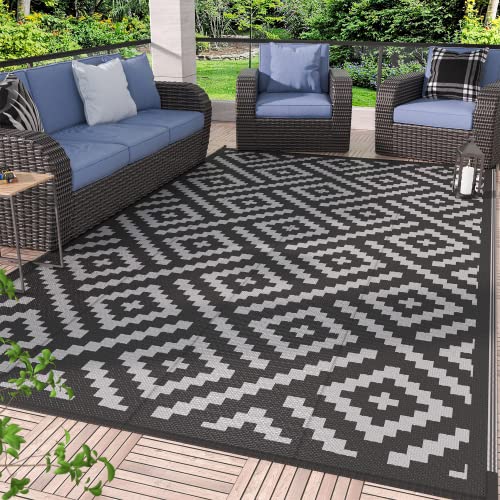 GENIMO Outdoor Rug, Waterproof Plastic Rugs |
9.1/10 | Buy |
 Homall Patio Furniture Set 3 Piece Resin Outdoor |
8.0/10 | Buy | |
| Best Overall |
 Valita 3-Piece Outdoor PE Rattan Furniture Set |
9.2/10 | Buy |
 Greesum 3 Pieces Outdoor Furniture Set Patio |
8.0/10 | Buy | |
 Solar Lanterns Outdoor Waterproof 2 Pack |
8.4/10 | Buy | |
 Homall 3 Pieces Patio Furniture Set Outdoor Patio |
8.8/10 | Buy | |
| Best Value |
 Best Choice Products Outdoor Bench 2-Person Wicker |
8.3/10 | Buy |
 Jelwaly 4 Piece Oversized Aluminum Outdoor Patio |
8.3/10 | Buy |
Structural and Spatial Differences
At the core, the architectural integration of the space defines its character. A back porch is structurally connected to the main house, sharing walls and often the roofline. This attachment provides immediate shelter from direct rainfall and intense midday sun, creating a more controlled microclimate. In contrast, a patio is a standalone paved area, usually made of concrete, pavers, or stone, located in the backyard or side yard. It lacks overhead cover, exposing all furniture and textiles to full weather cycles.
Because a back porch is roofed, it can support heavier, more delicate furniture items that might not survive direct exposure to the elements. You might place a wooden dining set or a large sectional with premium solution-dyed acrylic cushions on a porch without worrying about UV degradation or waterlogging. Patios, however, require furniture built for full weather exposure. Materials like HDPE poly lumber, powder-coated aluminum, and high-density resin wicker are standard choices because they resist rust, rot, and UV fading without the protection of a roof.
The spatial layout also differs significantly. Back porches are often linear or L-shaped, dictated by the house’s footprint. This can limit large sectional arrangements, forcing a more compact layout. Patios offer more flexible shapes, allowing for circular, square, or free-form designs. This flexibility is crucial for larger gatherings, as you can arrange dining tables and conversation areas with proper clearance for traffic flow. On a narrow porch, maintaining a 30-inch walkway for safe passage is often more challenging than on a spacious patio.
Key Structural Features
Identifying the type of space you have is the first step in planning. The following features help distinguish between the two:
- Attachment status: Porches are attached to the house; patios are detached.
- Roof coverage: Porches have overhead roofs; patios are open-air.
- Flooring material: Porches often use decking; patios use concrete or pavers.
- Weather exposure: Patios face full sun and rain; porches are partially sheltered.
- Structural support: Porches rely on house framing; patios are self-contained.
Impact on Furniture Selection
The structural differences directly influence what furniture you can buy. For a covered back porch, you have more freedom with materials. Natural woods like teak or acacia can be used, though they still require maintenance to prevent weathering. Fabric choices can be slightly less demanding, as the roof blocks a significant portion of UV radiation. However, moisture from humidity and occasional rain can still affect cushions, so breathable, quick-dry foam is still recommended.
For an uncovered patio, durability is the primary concern. Furniture must withstand direct sunlight, rain, and wind. Look for frames made of rust-resistant materials such as cast aluminum or stainless steel. Avoid powder-coated steel in coastal areas or high-humidity zones, as the coating can chip and lead to rust. Cushions should be made from solution-dyed acrylic or olefin, which are inherently UV-resistant and water-repellent. The foam core should be reticulated or open-cell to allow water to drain quickly, preventing mold and mildew growth.
Weight and stability are also critical on patios. Without a roof to block wind, lightweight furniture can be displaced by gusts. Heavier materials like HDPE poly lumber or solid wood provide natural ballast. If you prefer lightweight aluminum chairs, consider using weighted bases or securing them with anchor points. On a covered porch, wind is less of an issue, but you still need to ensure furniture is stable on potentially uneven decking surfaces.
For more on a connected point, our page on how to cover back patio goes into it separately.
Climate Resilience and Maintenance
The weather exposure of each space dictates the maintenance routine. A back porch, being sheltered, requires less frequent cleaning and protection. Dust and pollen are the main concerns, which can be removed with a simple wipe-down. Rainwater does not pool on furniture, reducing the risk of water stains and rust. However, humidity can still be an issue, especially in tropical or subtropical climates. Ensure that air circulates around furniture to prevent moisture buildup. Using breathable furniture covers during off-seasons can help protect fabrics from dust and minor moisture exposure.
Patios face the full brunt of the elements. Sunlight causes UV degradation, leading to color fading and material brittleness. Rain and humidity promote rust on metal frames and mold on fabrics. Wind can scour surfaces with sand and debris, accelerating wear. Regular maintenance is essential to extend the life of patio furniture. Clean frames and cushions regularly to remove dirt and salt residue. Inspect metal joints for signs of rust and touch up any chipped paint or coating. Rotate cushions to ensure even sun exposure and prevent uneven fading.
Seasonal storage is another consideration. In regions with harsh winters, both porches and patios may require furniture storage. Porches offer the advantage of being closer to the house, making it easier to move items into a garage or shed. Patios, being detached, may require more effort to transport items.
If you cannot store furniture, use high-quality, breathable covers to protect it from snow, ice, and rain. Avoid non-breathable vinyl covers, as they trap moisture and promote mildew growth. Ventilated covers allow air circulation, keeping furniture dry and clean during the off-season.
Material Durability Under Exposure
Different materials perform differently under full weather exposure. Aluminum is a popular choice for patios because it is lightweight, rust-resistant, and affordable. Powder-coated aluminum offers a smooth, durable finish that resists chipping and fading. However, the powder coat can degrade over time, especially in high-UV environments. Stainless steel is more durable but heavier and more expensive. It is ideal for coastal areas where salt air accelerates corrosion.
Wooden furniture requires regular maintenance to prevent rot and insect damage. Teak is a premium option due to its natural oils and density, which resist moisture and decay. However, it is expensive and heavy. Acacia is a more affordable alternative but requires more frequent sealing.
HDPE poly lumber is a low-maintenance option that mimics the look of wood without the upkeep. It is resistant to rot, insects, and UV fading, making it ideal for patios. Resin wicker is another popular choice, offering a classic look with modern durability. High-quality resin wicker is UV-stabilized and water-resistant, but low-quality versions can crack and fade quickly.
Fabrics also vary in durability. Solution-dyed acrylic is the gold standard for outdoor fabrics. The dye is integrated into the fiber during manufacturing, making it highly resistant to UV fading and moisture. Olefin is a synthetic fiber that is also UV-resistant and water-repellent, making it a good alternative to acrylic. Polyester is less durable and prone to fading, but it is affordable and widely available. For a covered porch, polyester may be acceptable, but for a patio, stick to solution-dyed acrylic or olefin for long-term performance.
Maintenance Checklist
Regular maintenance extends the life of your outdoor furniture. Follow this checklist to keep your space looking its best:
- Clean frames and cushions monthly to remove dust and debris.
- Inspect metal joints for rust and touch up any damaged coating.
- Rotate cushions to ensure even sun exposure and prevent fading.
- Use breathable covers during off-seasons to protect from weather.
- Check for loose hardware and tighten bolts or screws as needed.
- Apply protective sealants to wooden furniture annually.
Layout and Ergonomics
The layout of your outdoor space affects both functionality and comfort. A back porch is often narrower than a patio, which can limit seating arrangements. Focus on compact furniture that maximizes space. A two-seater sofa and a couple of armchairs can create a cozy conversation area without blocking walkways. Ensure that you leave at least 30 inches of clearance for safe passage around furniture. This is especially important if the porch is used as a primary entry or exit point to the yard.
Patios offer more space for larger layouts. You can create distinct zones for dining, lounging, and entertainment. A large dining table with chairs can seat eight or more people, while a sectional sofa provides ample seating for relaxation. When arranging furniture, consider the flow of traffic. Keep main walkways clear and avoid placing furniture in high-traffic areas. Use rugs to define zones and add visual interest. Outdoor rugs should be made of durable, weather-resistant materials like polypropylene to withstand foot traffic and moisture.
Ergonomics is also important. Choose furniture with proper seat depth and back support for comfort. Seat heights should be consistent across the set to ensure a cohesive look and easy movement. Tables should be at a height that allows for comfortable dining or working. If you plan to use the space for extended periods, invest in high-quality cushions with adequate foam density. Low-density foam will sag and lose shape quickly, while high-density foam provides long-lasting support.
Clearance and Traffic Flow
Proper clearance ensures that your outdoor space is safe and easy to navigate. For dining areas, allow at least 36 inches of space around the table for chair pullout. This allows guests to stand up and move around without bumping into other furniture. For conversation areas, leave at least 30 inches between seating pieces for comfortable movement. If you have a large patio, you can create wider walkways for a more spacious feel.
On a back porch, space is often limited. Use multi-functional furniture to maximize utility. A bench with storage underneath can provide seating and a place to store cushions or blankets. Folding chairs and tables can be easily stowed when not in use, freeing up space for other activities. If the porch is narrow, consider placing furniture against the walls to keep the center clear. This creates a defined pathway for movement and prevents accidents.
Lighting is another factor to consider. A well-lit space is more inviting and safer to use at night. Use a mix of ambient, task, and accent lighting to create a layered look. String lights, lanterns, and solar path lights are popular choices for both porches and patios. Solar lights are low-maintenance and energy-efficient, making them ideal for outdoor use. Ensure that lighting fixtures are weather-resistant and rated for outdoor use to prevent electrical hazards.
If this topic is part of a bigger decision, front patio vs porch is a useful related read.
Cost and Value Considerations
The cost of furnishing a back porch versus a patio can vary significantly. Porches often require less investment in weather-resistant materials, allowing you to spend more on comfort and style. You might choose premium fabrics or high-end wooden furniture that would not survive on an uncovered patio. Patios, on the other hand, require durable, low-maintenance materials that can withstand harsh conditions. This can increase the initial cost, but it also extends the lifespan of the furniture, providing better long-term value.
When budgeting for patio furniture, consider the total cost of ownership. High-quality materials may cost more upfront, but they last longer and require less replacement. Cheap furniture may seem attractive, but it often fails within a few seasons, leading to higher long-term costs.
Invest in durable frames, high-performance fabrics, and quality foam to ensure your furniture lasts for years. Also, consider the cost of maintenance and storage. If you have to store furniture in a garage or shed, factor in the space and effort required. Covered porches reduce these costs by providing a sheltered space for year-round use.
Resale value is another factor to consider. High-quality, well-maintained outdoor furniture can retain some value if you move or sell your home. A well-furnished patio or porch can increase the appeal of your property to potential buyers. Choose timeless designs and neutral colors that complement your home’s architecture. Avoid trendy styles that may look dated in a few years. By investing in quality and style, you can enhance both your enjoyment and the value of your home.
Long-Term Value Analysis
Evaluating long-term value involves looking beyond the initial price tag. Consider the durability of the materials, the ease of maintenance, and the potential for replacement. Aluminum furniture is affordable and durable, but it may not have the same aesthetic appeal as wood or wicker. Wooden furniture offers a natural look but requires regular maintenance. HDPE poly lumber is a low-maintenance option that offers a good balance of cost and durability.
Fabric quality also impacts long-term value. Solution-dyed acrylic is expensive but lasts for many years without fading. Polyester is affordable but fades quickly in direct sun. Choose fabrics that match your maintenance preferences and budget. If you are willing to replace cushions every few years, polyester may be a good option.
If you want long-lasting performance, invest in solution-dyed acrylic or olefin. Also, consider the availability of replacement parts. Some brands offer replacement cushions and frames, which can extend the life of your furniture. Check with the manufacturer before purchasing to ensure that parts are available if needed.
Finally, consider the environmental impact of your choices. Sustainable materials like FSC-certified wood and recycled HDPE are better for the environment. Look for brands that use eco-friendly manufacturing processes and offer take-back programs for old furniture. By choosing sustainable options, you can reduce your environmental footprint while enjoying a beautiful outdoor space. This is a growing trend in outdoor furniture, with more brands focusing on sustainability and durability.
Final Practical Takeaways
Choosing between a back porch and a patio involves understanding the unique characteristics of each space. A back porch offers shelter and convenience, making it ideal for delicate furniture and year-round use. A patio offers flexibility and full weather exposure, requiring durable, low-maintenance materials. By considering structure, climate, layout, and cost, you can create an outdoor space that meets your needs and enhances your home. Focus on quality materials, proper maintenance, and thoughtful layout to ensure your outdoor investment lasts for years to come.
A closely related question is covered in whats the difference between porch and patio, which may help alongside this section.
About the author
Noah Kaufman is a product-focused editor and writer with experience evaluating household equipment. His published furniture reviews include outdoor sofas, upholstered seating, and standing desks, often drawing on how products perform in everyday home settings.