
How to Cover Back Patio: Clear Answer
Protect your outdoor space from rain, sun, and debris using breathable covers, tarps, or structural shelters. Learn the best methods for November 2026.
 By Zoe Sessums
Updated October 24, 2026


Yes, you can cover your back patio effectively using breathable furniture covers, heavy-duty canvas tarps, or permanent structural shelters like pergolas. The right method depends on your specific goal: protecting furniture from rain and UV rays, blocking sunlight for comfort, or shielding the entire area from weather elements. For most homeowners, a combination of individual item covers and a larger overhead structure provides the best balance of protection and aesthetics.
Choosing the wrong covering material can lead to trapped moisture, mildew growth, or fabric degradation. This guide explains how to select and apply the correct covering solutions for your outdoor space, ensuring your furniture remains in top condition throughout the seasons. We will look at practical methods for protecting patio sets, umbrellas, and even outdoor electronics, while maintaining airflow to prevent damage.
| Award | Product | FCH Score About FCH ScoreThe FCH Score is our own rating from 0 to 10, based on performance, design and build, ease of use, and value. It reflects independent research and is never influenced by manufacturers, retailers, or affiliate commissions. Learn more › | |
|---|---|---|---|
|
How to Grow Potatoes: Planting and Harvesting
|
8.6/10 | Buy | |
 NICETOWN Stone Blue 100% Blackout Door Curtain |
8.1/10 | Buy | |
 UHousDeco Cantilever Umbrella Covers |
8.1/10 | Buy | |
 The Complete Guide to Building Your Own Greenhouse |
8.3/10 | Buy | |
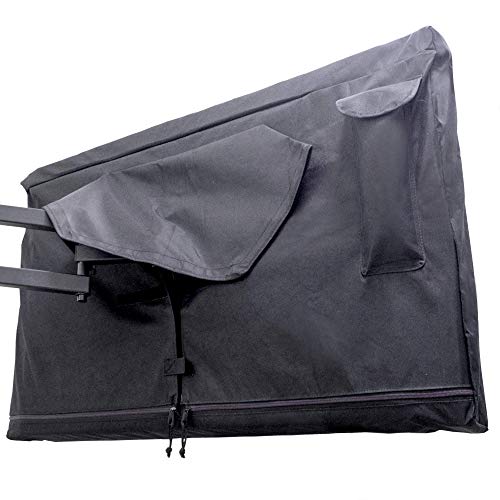 Outdoor TV Cover 80-85 inch - WITH ZIPPER |
8.0/10 | Buy | |
 UHousDeco Solar Patio Umbrella Cover |
7.8/10 | Buy | |
| Best Premium |
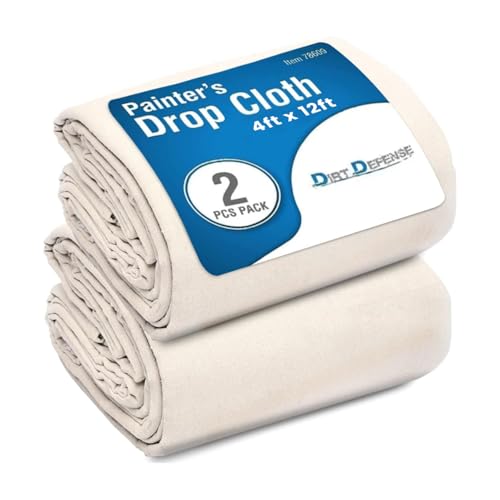 DIRT DEFENSE Pack of 2: Canvas Drop Cloth Cotton |
9.1/10 | Buy |
 The Beginner's Guide to Raising Chickens |
8.4/10 | Buy | |
| Best Value |
 National Geographic Backyard Guide to the Birds |
8.3/10 | Buy |
| Best Overall |
 The Worm Book For Beginners: 2nd Edition (Revised) |
9.1/10 | Buy |
| Best Budget |
 NICETOWN Biscotti Beige 100% Blackout Door Curtain |
8.8/10 | Buy |
For more on a connected point, our page on how do you build a patio cover goes into it separately.
Methods for Covering Your Back Patio
Covering a back patio involves more than just throwing a sheet over a chair. It requires understanding the different types of protection available and how they interact with your local climate. The primary goal is to block harmful elements like rain, snow, and intense UV radiation while allowing enough air circulation to prevent condensation buildup. This balance is critical for preserving the integrity of wood, metal, and fabric components in your outdoor setup.
| Covering Type | Best For | Material | Key Benefit |
|---|---|---|---|
| Furniture Covers | Individual chairs/tables | Waterproof Oxford/Poly | Targeted protection |
| Canvas Tarps | Large areas/renovation | Cotton Duck | Flexible, breathable |
| Umbrella Covers | Patio umbrellas | UV-resistant Fabric | Prevents sun fading |
| Structural Shelters | Whole patio area | Wood/Metal/Glass | Permanent shade/rain |
Before selecting a covering method, consider the specific items you need to protect. Different materials react differently to moisture and sunlight. For example, metal frames can rust if trapped under non-breathable plastic, while fabric cushions can develop mildew if they remain damp for extended periods. Understanding these material interactions helps you choose the right covering strategy.
- Identify the primary threat: rain, sun, or debris
- Check the material of your furniture (wood, metal, fabric)
- Measure the dimensions of items to be covered
- Determine if you need temporary or permanent coverage
- Assess local wind conditions for securing covers
Protecting Furniture with Breathable Covers
Individual furniture covers are the most common way to protect patio sets. Look for covers made from breathable, waterproof materials like 420D Oxford cloth or similar high-density polyester. These materials repel water on the outside while allowing moisture vapor to escape from the inside. This ventilation is crucial for preventing the musty odors and mold growth that occur when furniture is sealed in airtight plastic.
When applying furniture covers, ensure they fit snugly but not too tightly. A cover that is too loose can flap in the wind and tear, while one that is too tight may stress the seams and fabric. Most quality covers come with drawstrings or buckles at the bottom to secure them around the base of the chair or table. This keeps the cover in place during windy weather and prevents it from being blown away.
For cushions, consider removing them and storing them indoors or in a dry shed if possible. If you must leave them outside, use specific cushion covers that are designed to be more breathable than full furniture covers. Avoid using standard plastic tarps over cushions, as they will trap heat and moisture, leading to rapid degradation of the foam and fabric. Regular inspection of covers for tears or wear is also important to maintain their protective function.
Using Canvas Tarps for Flexible Coverage
Canvas tarps are an excellent option for covering larger areas or for temporary protection during renovation projects. Unlike plastic tarps, canvas is a natural fiber that allows air to pass through, reducing the risk of condensation. Heavy-duty cotton duck fabric, such as 8oz professional grade, is durable enough to withstand outdoor conditions while remaining flexible and easy to handle.
Canvas tarps are particularly useful for protecting patio furniture during painting or staining projects. They can be laid over the entire patio area to catch dust, debris, and accidental spills. Because they are washable and reusable, canvas tarps offer a sustainable alternative to single-use plastic sheeting. They can be stored in a garage or shed when not in use, making them a versatile tool for any homeowner.
When using a canvas tarp to cover a patio, secure it with weights or stakes to prevent it from blowing away. In windy areas, use bungee cords or tie-downs to anchor the corners firmly. Be careful not to stretch the canvas too tightly, as this can cause the fabric to tear over time. Allow for some slack to accommodate wind movement and thermal expansion. Regularly check the tarp for signs of wear, such as fraying edges or holes, and repair or replace it as needed.
Sheltering Umbrellas and Outdoor Electronics
Patio umbrellas are highly susceptible to sun fading and water damage. A dedicated umbrella cover, such as those made from UV-protected Oxford fabric, can significantly extend the life of your umbrella. These covers are designed to fit over the closed umbrella, protecting the fabric from direct sunlight and rain. They often include a folding rod for easy installation and a drawstring at the bottom to secure the cover in place.
For outdoor televisions and other electronics, specialized covers are essential. These covers are typically made from heavy-duty, weatherproof materials with soft interiors to prevent scratching the screen. They provide 360-degree protection against rain, dust, and snow. When selecting a TV cover, ensure it is the correct size for your specific model. Measure your TV before purchasing to avoid buying a cover that is too small or too large.
Installing a TV cover is straightforward: simply slip the cover over the TV and zip it closed. Most covers come with a built-in pocket for the remote, adding convenience. For long-term storage, consider removing the TV from its mount and storing it indoors if possible. However, if you leave it outside, a high-quality weatherproof cover is a must. Regularly inspect the zipper and seams for any signs of wear or water intrusion.
Permanent Structural Solutions for Patio Shade
If you want to cover your entire back patio permanently, consider installing a structural shelter like a pergola, gazebo, or patio cover. These structures provide year-round protection from rain and sun while enhancing the aesthetic appeal of your outdoor space. Pergolas can be left open for airflow or fitted with retractable screens or glass panels for more complete coverage.
When planning a permanent structure, check local building codes and permit requirements. Some areas require permits for structures over a certain height or size. Consult with a professional contractor to ensure the structure is built safely and securely. Consider the orientation of the structure to maximize shade during the hottest parts of the day. A well-designed patio cover can extend the usable season of your outdoor space, allowing you to enjoy it in various weather conditions.
Maintenance of structural shelters is also important. Wood pergolas may require periodic sealing or staining to protect against rot and insect damage. Metal structures should be inspected for rust and repainted as needed. Glass or polycarbonate panels should be cleaned regularly to maintain clarity and light transmission. By investing in a permanent solution, you create a comfortable and protected outdoor living area that adds value to your home.
Maintenance and Seasonal Care Tips
Regardless of the covering method you choose, regular maintenance is key to protecting your patio furniture and space. Clean furniture covers and tarps periodically to remove dirt, leaves, and debris. Use a mild soap and water solution, and rinse thoroughly before drying. Avoid using harsh chemicals or abrasive cleaners that can damage the fabric or coatings.
Before storing covers for the winter, ensure they are completely dry. Storing damp covers can lead to mold and mildew growth, which can damage the fabric and transfer to your furniture. Store covers in a cool, dry place, preferably in a breathable storage bag. Inspect covers for any tears or wear before reusing them in the next season. Repair small tears with a fabric patch kit, or replace the cover if it is severely damaged.
For structural shelters, perform a thorough inspection in the spring and fall. Check for loose fasteners, cracked panels, or signs of water damage. Clean gutters and downspouts to ensure proper water drainage away from the structure. By following these maintenance tips, you can extend the life of your patio coverings and keep your outdoor space looking its best year-round.
- Clean covers with mild soap and water regularly
- Ensure covers are dry before storage to prevent mold
- Inspect for tears and wear before each season
- Check structural shelters for loose fasteners
- Clear gutters to prevent water damage
Choosing the right way to cover your back patio is about balancing protection with practicality. Whether you opt for individual furniture covers, flexible canvas tarps, or a permanent structural shelter, the key is to select materials that suit your climate and furniture type. By following these guidelines, you can protect your investment and enjoy your outdoor space for years to come. Remember to prioritize breathable materials and regular maintenance to prevent long-term damage.
If this topic is part of a bigger decision, back porch vs patio is a useful related read.
About the author
Zoe Sessums is a design writer and editor whose work spans home tours, furniture reviews, and interior design. She has written about sofas, accent chairs, and versatile home furnishings, bringing an eye for design and everyday usability to her coverage.