
What Is the Size of Full Bed? Dimensions, Frame Fit, and Bedroom Guide for 2026
Learn what is the size of full bed dimensions in October 2026, covering standard mattress sizing, platform frame clearance, and room layout planning.
 By Kate McGregor
Updated October 9, 2026
By Kate McGregor
Updated October 9, 2026

Planning bedroom floor space and selecting the proper foundation starts with exact furniture measurements. Many shoppers exploring bedroom upgrades wonder what is the size of full bed dimensions when calculating room clearances and foundation fit. A standard full mattress measures 54 inches wide by 75 inches long, which makes it an adaptable choice for guest spaces, teenagers, and solo sleepers seeking extra room to stretch out. Matching this profile with the proper platform frame or perimeter enclosure prevents common hassles like mattress overhang or crowded walking paths.
Beyond the raw mattress footprint, structural bed frame mechanics play a crucial role in overall comfort and durability. Modern platform setups eliminate bulky box springs while providing reliable slat support, ample under-bed clearance, and essential center reinforcement. Understanding how full bedding accessories align with external frame profiles also ensures that fitted sheets grip securely and comforters drape evenly without pooling on the floor. Evaluating these dimensional realities beforehand simplifies furniture choices and helps you build a quiet, well-proportioned sleeping environment.
| Award | Product | FCH Score About FCH ScoreThe FCH Score is our own rating from 0 to 10, based on performance, design and build, ease of use, and value. It reflects independent research and is never influenced by manufacturers, retailers, or affiliate commissions. Learn more › | |
|---|---|---|---|
| Best Overall |
Higoom Standard Size Bed Pillows for Sleeping Set
|
8.9/10 | Buy |
| Best Value |
 VASAGLE Full Metal Bed Frame, 18 Inches Tall
|
8.8/10 | Buy |
| Best Budget |
 Love's cabin Quilts for Queen Bed Blue Bedspreads
|
8.4/10 | Buy |
 Love's cabin Full Comforter Set Black
|
8.4/10 | Buy | |
| Best Premium |
 HLIPHA Metal Platform Bed Frame 14 Inch Tall,No
|
8.3/10 | Buy |
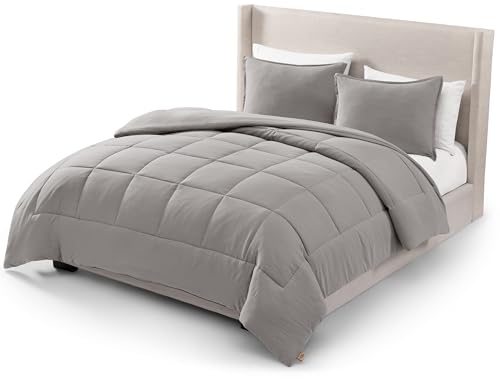 UGG Leonora Queen Comforter Set
|
8.0/10 | Buy |
Understanding Full Bed Dimensions, Frame Engineering, and Bedroom Space
Determining mattress dimensions is the essential starting point for building a balanced, supportive sleep setup. In the standard United States bedding sizing hierarchy, a standard full size mattress measures exactly 54 inches in width by 75 inches in length. This sizing offers 4,050 square inches of total sleeping surface, positioning the full bed right between a compact twin and a spacious queen. Knowing these foundational measurements allows homeowners, apartment renters, and students to select compatible bed frames, sheets, and accessories without running into sizing mismatches.
Standard Dimensions of a Full Bed Mattress and Sleeping Surface
Standard full beds, historically referred to as double beds, provide a practical footprint for individual sleepers who want significantly more width than a single twin mattress. The 54-inch width provides 16 additional inches of horizontal rolling space compared to a standard 38-inch twin model. However, the 75-inch length is identical to a standard twin mattress, which can be an important factor for taller individuals to evaluate. Sleepers who measure over six feet tall often find their feet resting near the bottom edge of a 75-inch deck, making an 80-inch queen or twin XL worth comparing.
Surface area dynamics make the full mattress particularly advantageous for single adults, teenagers, and multipurpose guest bedrooms. While two adults can physically share a 54-inch wide surface, each person receives only 27 inches of personal width, which equals the width of a standard infant crib mattress. Because of this restricted width per sleeper, couples often experience disrupted sleep from partner movement on a full mattress. Single sleepers, by contrast, enjoy ample lateral room to shift resting postures without feeling restricted or rolling against the edge.
External Bed Frame Measurements and Structural Footprint
Mattress dimensions describe only the cushion itself, whereas actual bed frames consistently demand additional floor space. A minimalist metal platform frame, such as the HLIPHA platform bed or VASAGLE frame, typically hugs the mattress perimeter closely with exterior measurements around 54.5 to 55 inches wide and 75.5 to 76 inches long. In contrast, upholstered bed frames, wooden post constructions, and storage frames feature thicker side rails and headboard assemblies that expand total dimensions. A full bed frame with integrated upholstery or shelving can easily reach 57 to 60 inches in total width and 80 to 85 inches in length.
Measuring your designated bedroom floor space requires accounting for these frame-specific perimeter extensions. Slatted platform frames designed without integrated headboards maintain the tightest profile, making them ideal for compact rooms and studio apartments. If you intend to mount a decorative headboard using pre-drilled bracket attachment slots, factor in an extra two to four inches of wall depth. Verifying both the bare mattress dimensions and the finished frame outline prevents unexpected crowding against baseboard heaters or adjacent closet doors.
Bedroom Spatial Clearance and Floor Plan Considerations
Proper bedroom planning demands sufficient perimeter clearance around the entire bed frame to ensure natural traffic flow. Interior designers generally advise maintaining at least 30 to 36 inches of open walking clearance between the edge of the mattress and any adjacent wall or furniture. A dedicated bedroom measuring at least 10 feet by 10 feet comfortably accommodates a full bed alongside a standard nightstand and a clothing dresser. Placing a full bed in a room smaller than 9 feet by 9 feet can restrict drawer openings and make moving around the bed awkward.
Door swings and window locations also influence where a full bed should be positioned within a bedroom layout. Center placement along the primary wall establishes balanced visual symmetry and provides accessible entry paths on both sides of the mattress. In tighter guest bedrooms or home offices, tucking one side of the frame closer to a wall can liberate functional floor space for a desk or seating area. Always check that bedside tables do not block under-bed access or obstruct entry doors when arranging your layout.
Mattress Support Foundation Mechanics and Slat Spacing
Modern platform bed frames provide direct structural support that eliminates the traditional necessity of a bulky box spring. Steel slat platforms and solid wood slat foundations distribute body weight across the entire base while maintaining steady ventilation for the mattress core. Solid steel slats, like those utilized in heavy-duty metal platform beds, resist sagging under continuous load and provide a firm resting plane for hybrid, memory foam, or innerspring mattresses. This direct support helps preserve proper spinal alignment and avoids the unwanted hammock effect common with aging box springs.
Mattress warranty guidelines frequently stipulate maximum slat spacing distances to prevent structural foam extrusion and internal spring damage. Most memory foam and hybrid mattress manufacturers mandate that slat spacing under 3 inches is maintained across the entire foundation deck. Wider gaps allow pliable foam layers to push downward between slats, creating permanent indentations and voiding warranty coverage. When using platform frames with wider slat intervals, adding a low-profile bunkie board provides a continuous, supportive surface that satisfies manufacturer requirements.
Frame Elevation, Sitting Ergonomics, and Under-Bed Storage Utility
Platform bed frame height directly influences daily ergonomics, ease of movement, and available bedroom storage. Standard metal frames typically measure between 14 inches and 18 inches in deck height from the floor. A 14-inch platform bed, such as the HLIPHA metal frame, pairs comfortably with a 10-inch to 12-inch mattress to create a standard sitting height of roughly 24 to 26 inches. An 18-inch tall frame, exemplified by the VASAGLE metal bed frame, elevates the deck higher, allowing sleepers to stand up effortlessly without straining knees or hips.
Vertical frame clearance beneath the side rails creates valuable storage volume that is particularly helpful in space-conscious homes. An 18-inch tall platform frame offers roughly 16 to 17 inches of usable vertical clearance beneath the perimeter beams. This generous opening easily swallows large plastic storage totes, rolling luggage, and seasonal clothing containers that would otherwise clutter closets. An open under-bed design also simplifies household cleaning by allowing standard vacuum attachments and robotic vacuums to glide under the frame without catching on crossbeams.
Center Rail Engineering and Weight Distribution
Structural stability in a full bed relies heavily on a rigid center support beam reinforced with dedicated vertical support legs. While narrower twin beds can span the width without middle reinforcement, a 54-inch span experiences substantial downward bending force along the middle axis. Heavy-duty metal frames incorporate a longitudinal center rail supported by multiple steel legs to split the lateral span into stable halves. Designs featuring nine sturdy support legs, like the VASAGLE full frame, distribute sleeper load across multiple contact points on the subfloor.
Dynamic weight capacity accounts for the combined weight of the mattress, bed linens, and sleepers moving naturally during the night. A robust static rating, such as an 1,100-pound capacity, ensures that the steel framework withstands sudden shifts in weight without buckling or deflecting. Leveling feet mounted beneath center support legs allow users to fine-tune floor contact on uneven hardwood or plush carpeting. Maintaining firm floor contact across all middle legs prevents lateral rail bowing and protects long-term frame alignment.
Noise Dampening and Squeak Prevention in Full Metal Frames
Nocturnal squeaks and creaks usually originate from metal-on-metal friction along loose joint brackets or unpadded slat connection points. When sleeper weight shifts across the frame, unsecured hardware rubs together, generating persistent movement noise that disturbs deep sleep. Modern platform frames address this issue by integrating noise-reducing connectors and close-tolerance quick-lock assembly brackets. Securing all frame bolts with proper torque during initial assembly eliminates loose tolerances that foster joint play.
Applying dense EVA foam dampening tape along center support rails creates an effective acoustic barrier between metal slats and the frame structure. Slat systems that snap into locking retention brackets also prevent loose steel rods from rattling during movement. Inspecting and retightening frame bolts after the first 30 days of use compensates for initial settling and maintains rigid joinery. These straightforward mechanical precautions keep metal platform beds stable and quiet through years of continuous use.
Mattress Retention Engineering to Prevent Sliding
Flush platform bed frames often present a common frustration where smooth mattresses slide across slick metal or painted wood slats. Traditional bedstead frames solved this problem with a recessed perimeter lip, but flush modern platforms prioritize clean exterior lines and easy sheet changing. To prevent shifting, specialized frames incorporate mechanical mattress retainers that insert and lock along the outer side rails. The VASAGLE frame demonstrates this approach by utilizing turn-to-lock retainers that hold the mattress securely in place without damaging fabric borders.
Sleeper position adjustments, sheet changes, and energetic pets can easily dislodge a mattress on a slick, lipless foundation. Without retention hardware or textured non-slip pads, an unanchored mattress tends to migrate sideways, creating unsightly overhang and exposing cold metal frame corners. Mattress retainers keep the mattress centered over the center support beam, ensuring even weight distribution across all foundation slats. This simple structural feature improves everyday convenience and prevents repeated morning repositioning.
Bedding Dimensions and Layering Fit for Full Beds
Selecting properly sized bedding accessories ensures that your full mattress stays protected, comfortable, and visually attractive. A standard full fitted sheet must measure 54 inches by 75 inches, matching the exact perimeter dimensions of the mattress surface. Sheet pocket depth is equally vital, as modern mattresses range from 8 inches to over 14 inches in profile thickness. The Love’s cabin full comforter set features fitted sheets with a 14-inch deep elastic pocket designed to grip thicker mattress profiles without slipping off the corners.
Comforters, quilts, and top sheets require extra width and length beyond the mattress dimensions to provide attractive overhang along the sides. A dedicated full comforter generally measures approximately 82 inches wide by 86 inches long, creating roughly 14 inches of side drape to cover the mattress edges. Many manufacturers produce hybrid full/queen comforters, such as the UGG Leonora set or Love’s cabin lightweight quilts, measuring 90 inches wide by 90 to 96 inches long. These larger dimensions offer generous coverage that conceals taller platform side rails and provides abundant warmth for restless sleepers.
Pillow arrangement on a 54-inch full mattress surface achieves its cleanest aesthetic with standard size sleeping pillows. Standard pillows measure 20 inches wide by 26 inches long, meaning two pillows placed side by side occupy 52 inches of total width across the head of the bed. Sets like the Higoom standard size bed pillows fit neatly within this span, leaving a slender one-inch margin on either side. Queen pillows measuring 30 inches wide will overlap or push past the mattress edges, making standard pillows the ideal geometric match.
Full Bed vs Queen and Twin: Making the Right Bedroom Choice
Choosing between a full bed and neighboring mattress sizes depends on your available room dimensions, budget, and sleeping habits. A twin mattress saves substantial floor space in narrow bedrooms, but its 38-inch width feels constricting for average-sized adults. Upgrading to a 54-inch full bed adds significant comfort for solo sleepers without consuming the extensive footprint required by a 60-inch by 80-inch queen frame. In compact apartments and secondary guest rooms, that conserved six inches of width and five inches of length often preserves essential walkway space.
Couples planning everyday sleeping arrangements should weigh the spatial trade-offs carefully before committing to a full size frame. While a full mattress can serve two sleepers in temporary guest situations, most couples benefit substantially from the extra surface area of a queen or king foundation. Single sleepers, growing adolescents, and college students, however, find the full bed to be an optimal balance of roomy comfort and efficient space utilization. Evaluating your room dimensions, ceiling clearance, and storage requirements ensures that a full size bed will serve your household effectively for years to come.
About the author
Kate McGregor is a design and shopping editor with experience covering furniture, home décor, and interior trends. From sleeper sofas to dining chairs and storage solutions, her editorial work explores the details that make furnishings both attractive and practical.