
What Is the Length and Width of a Twin Bed: Sizing and Frame Guide for 2026
Understanding %what is the length and width of a twin bed% helps you choose frames and plan bedroom layouts in our October 2026 guide.
 By Janae McKenzie
Updated October 9, 2026
By Janae McKenzie
Updated October 9, 2026

Selecting the right foundation for a compact bedroom or guest room requires precise measurements to avoid cramped walkways and awkward layout issues. A standard mattress sleep surface measures 38 inches wide by 75 inches in length, but external bed frames routinely push beyond those baseline numbers. Knowing what is the length and width of a twin bed helps sleepers, parents, and renters choose matching foundations, side rails, and bedding accessories without unexpected spatial surprises. If you are also comparing mattress core footprints across the market, our twin bed mattress dimensions guide outlines how foam and spring constructions align with standard sizing. Evaluating both internal mattress pockets and exterior furniture footprints ensures your bedroom arrangement remains comfortable and fully functional.
Beyond the bare mattress profile, bed frame materials and integrated features significantly alter the overall perimeter footprint in your room. Sturdy platform beds featuring thick headboards, corner posts, or heavy steel legs require several additional inches of perimeter clearance beyond the bare sleep surface. Cross-referencing our standard bed size reference can help clarify how single sleeping footprints compare against larger options before purchasing. Factoring in proper walkway margins, storage drawer clearances, and accessory fits ensures that your single bed setup operates efficiently for years to come.
| Award | Product | FCH Score About FCH ScoreThe FCH Score is our own rating from 0 to 10, based on performance, design and build, ease of use, and value. It reflects independent research and is never influenced by manufacturers, retailers, or affiliate commissions. Learn more › | |
|---|---|---|---|
| Best Overall |
Mrs Awesome Stretch Jersey Box Spring Cover
|
9.2/10 | Buy |
| Best Budget |
 DUJUIKE Velvet Bed Frame Cover
|
8.6/10 | Buy |
| Best Value |
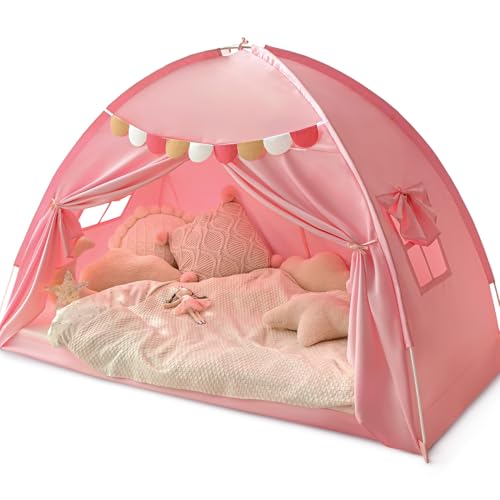 Twin Bed Tent for Kids, Bed Canopy Privacy Sleep
|
8.6/10 | Buy |
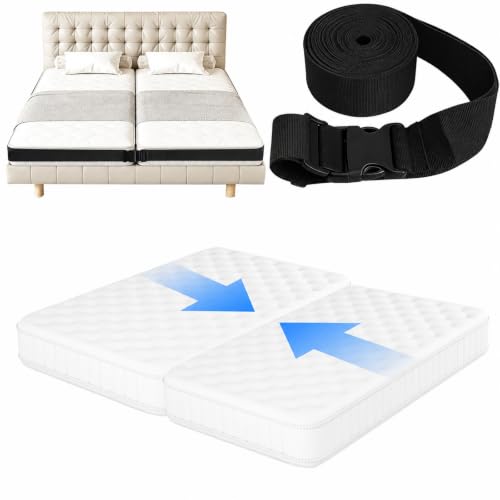 HAEZU 33 Feet Adjustable Mattress Straps Converter
|
8.4/10 | Buy | |
 Twin Bed Tent for Kids, Toddler Privacy Tents
|
8.1/10 | Buy | |
| Best Premium |
 Kmhesvi Black Canopy Bed Curtains 4 Corner Post
|
8.1/10 | Buy |
 BOFENG Twin Bed Frame with Wood Headboard
|
8.1/10 | Buy | |
 Twin Boneless Bed Frame with Mattress
|
8.1/10 | Buy |
Twin Bed Dimensions, Frame Tolerances, and Bedroom Spatial Planning
Standard Twin Mattress Dimensions Versus Exterior Frame Profiles
Standard mattress manufacturing standards in the United States designate a twin mattress as 38 inches wide by 75 inches long. Commercial bedding descriptions occasionally round these dimensions to 39 inches wide by 75 inches long to account for edge piping and quilted exterior covers. This compact surface provides approximately 2,850 square inches of resting area, which offers adequate personal space for single children, teenagers, or solo adults. Knowing these mattress dimensions establishes the baseline for all bedding, mattress protectors, and frame pocket measurements.
While the mattress itself adheres to fixed dimensions, the exterior dimensions of a twin bed frame vary based on construction style and materials. Minimalist metal platform bed frames hug the mattress perimeter closely, often adding only one to two inches of total width and length. For example, the BOFENG Twin Bed Frame with Wood Headboard measures 77.95 inches long by 39.76 inches wide and 34.84 inches high. Those extra dimensional inches stem from the structural steel posts, built-in headboard board depth, and perimeter frame lip tubing.
The depth of the mattress retention pocket also determines how securely the mattress sits within the assembled frame. Frames with a recessed deck pocket keep the mattress from sliding off the platform during nighttime movement. Lipless platform frames create a completely flush deck that simplifies changing fitted sheets, though they often rely on non-slip silicone strips or friction pads to prevent horizontal shifting. Confirming whether a frame uses a recessed pocket or a flush deck prevents unexpected mattress overhang.
Twin Versus Twin XL: Length Tolerances and Foundation Variations
Shoppers frequently confuse standard twin beds with Twin XL beds when furnishing small bedrooms or college living spaces. A standard twin measures 38 inches wide by 75 inches long, whereas a Twin XL measures 38 inches wide by 80 inches long. That five-inch difference in length provides critical extra legroom for taller teenagers and adults who stand over six feet tall. A standard 75-inch mattress often leaves taller sleepers with their feet hanging over the edge of the mattress core.
Foundation and frame structures cannot usually be interchanged between standard twin and Twin XL setups. Placing an 80-inch Twin XL mattress onto a 75-inch standard twin frame causes severe mattress overhang and compromises structural edge support. Certain flexible accessories, such as the Mrs Awesome Stretch Jersey Box Spring Cover, feature stretchable four-way microfiber fabric that fits depths from 5 to 13 inches and lengths from 53 to 86 inches. Rigid metal side rails or solid wooden platform decks lack that elasticity and demand strict dimensional alignment with the chosen mattress.
Choosing between single-sleeper configurations also depends on whether a wider sleeping footprint is necessary for comfort. If a solo sleeper feels restricted by a 38-inch width, exploring our full bed width guide illustrates how moving up to a 54-inch mattress profile alters the room. That 16-inch jump in width offers substantial rolling space for active sleepers without adding the substantial length of a queen bed. Assessing sleeper height and movement habits ensures you select the correct single or double foundation style.
Structural Frame Materials and Exterior Footprint Variations
The structural material of a twin bed frame directly impacts the overall floor footprint it occupies in your bedroom. Tubular steel frames with powder-coated finishes keep the profile slender and clean, making them ideal for tight room layouts. In contrast, solid wood or upholstered platform frames feature wider perimeter side rails and thickly padded corner posts. These decorative upholstered frames can push the total assembled width beyond 42 inches and the total length past 80 inches.
Integrated frame and mattress combinations provide an alternative approach that minimizes loose hardware and exterior bulk. An all-in-one setup like the Twin Boneless Bed Frame with Mattress combines a 16-inch mattress deck directly with an 18-inch upholstered ribbed headboard. Because the frame structure and sleep surface arrive as an integrated hybrid unit, there are no loose slats or shifting metal brackets to generate noise. This compact construction delivers immediate support while keeping the external footprint closely aligned with standard twin dimensions.
Fabric covers and base wraps offer an easy method for updating existing bed frame profiles without increasing exterior dimensions. Products such as the DUJUIKE Velvet Bed Frame Cover fit single bed widths between 47 and 53 inches with elastic bottom bands that stay anchored. The stretchable velvet fabric wraps around the base of the frame, shielding the furniture from scuffs while refreshing the visual aesthetic. Measuring the exterior perimeter of your existing platform frame ensures that decorative wraps sit smoothly without sagging.
Room Planning, Walkway Clearances, and Vertical Height Considerations
Room planning requires establishing clear walkways around the perimeter of the bed frame. Interior designers generally recommend maintaining at least 30 to 36 inches of clearance between the bed and adjacent walls or furniture. In smaller secondary bedrooms, positioning a twin bed against a corner wall saves floor space but restricts accessibility to a single side. Preserving open circulation pathways makes daily bed making, sheet changes, and bedroom cleaning much simpler.
Vertical clearance is equally critical when incorporating overhead structures, high headboards, or decorative canopies. Adding four-corner post accessories like the Kmhesvi Black Canopy Bed Curtains 4 Corner Post requires matching a 39-inch width, 75-inch length, and 75-inch height against standard ceiling heights. Similarly, fabric enclosures such as the Twin Bed Tent for Kids, Bed Canopy Privacy Sleep and the Twin Bed Tent for Kids, Toddler Privacy Tents use flexible fiberglass poles to create enclosed sleep environments directly over twin mattresses. Verifying ceiling clearance and door swing radii ensures these overhead structures fit comfortably without interfering with room lighting or fans.
Positioning twin frames in shared children rooms demands extra caution regarding architectural fixtures and structural placement. Reviewing our detailed bunk bed placement guide helps parents evaluate spatial safety, window offsets, and ladder clearances. Maintaining ample safety margins around the bed frame prevents structural crowding and promotes a secure environment. Calculating spatial clearances beforehand eliminates the frustration of disassembling and shifting heavy bed frames after initial setup.
Slat Spacing Mechanics, Weight Distribution, and Foundation Integrity
Modern foam and hybrid mattresses depend on sturdy slat foundations to maintain structural integrity and protect warranty coverage. Most mattress manufacturers specify that slatted platform beds must feature slat spacing of three inches or less. Slat gaps exceeding three inches allow mattress core foam to bow downward under body weight, creating permanent surface indentations. Checking slat spacing across the frame deck ensures that your twin mattress receives continuous, level support.
Heavy-duty steel platform frames provide exceptional durability by replacing flexible wooden slats with rigid metal crossbars. The BOFENG Twin Bed Frame with Wood Headboard features welded steel slats rated to support up to 800 pounds of distributed weight. This solid steel foundation eliminates the need for a traditional box spring, lowering the overall bed height while maintaining firm support. Rigid crossbars also prevent the center sagging that commonly plagues thinner wood slat systems over time.
If your setup utilizes a traditional foundation or box spring, keeping the fabric clean and secure improves bedroom tidiness. Elasticized wraps like the Mrs Awesome Stretch Jersey Box Spring Cover fit low and deep profiles from 5 to 13 inches snugly around box spring corners. Snug elastic borders prevent the cover from sliding off, offering a neat alternative to traditional bed skirts that drag on the floor. Combining a supportive foundation with tight-fitting covers keeps the entire sleep system stable, quiet, and dust-free.
Twin Bed Conversion Mechanics: Creating King Sleeping Surfaces
Guest rooms and vacation rentals frequently utilize twin beds because of their flexible conversion potential. Placing two standard twin mattresses side by side creates a combined sleeping width of 76 inches and a length of 75 inches. This combined footprint matches the width of a standard king mattress, although it remains five inches shorter than an 80-inch king. When two Twin XL mattresses are pushed together, their combined dimensions of 76 by 80 inches match a standard Eastern King bed exactly.
Unifying two individual mattresses into a single sleeping surface requires dedicated hardware to eliminate shifting gaps. The HAEZU 33 Feet Adjustable Mattress Straps Converter provides a heavy-duty nylon strap with an adjustable buckle to bind twin or Twin XL mattresses together. The 33-foot strap length wraps completely around the perimeter of both mattresses, locking them securely to prevent center separation. Using an adjustable buckle system allows quick conversion between two individual beds and a unified large bed without special tools.
Adding a bridge pad or mattress topper over joined twin beds smooths the seam where the two interior borders meet. Without an overlay pad, sleepers resting near the middle may notice the structural divider between the separate mattress cores. A fitted king sheet placed over the strapped mattresses helps hold the entire configuration into a cohesive sleeping unit. This modular approach allows homeowners to adapt guest accommodations easily depending on visitor needs.
Frame Assembly Verification, Acoustic Dampening, and Long-Term Stability
Proper assembly practices are essential to ensure a twin bed frame remains sturdy and quiet throughout daily use. Assembling components on a soft blanket or carpet protects the powder-coated steel rails and wood veneer panels from unsightly scratches. Hand-tightening all connecting bolts before fully torquing them with hand tools prevents cross-threading in pre-drilled metal inserts. Cross-threaded bolts weaken frame joints and create loose connections that cause annoying nocturnal squeaking sounds.
Joint friction between metal brackets and side rails is the primary cause of creaking in platform bed frames. Applying dense EVA foam dampening strips along slat support ledges cushions direct contact and isolates motion. Tightening bolts firmly into factory-installed threaded inserts stabilizes the rectangular geometry without stripping softer composite boards. Careful fastener tightening eliminates lateral frame racking when sleepers shift their weight.
Inspecting the frame squareness and retightening bolts after several weeks of use maintains optimal joint rigidity. Measuring diagonally from corner to corner ensures the frame has not shifted out of square under daily sleeping loads. Conducting quick seasonal fastener checks prevents minor loosening and keeps the frame structurally sound. Consistent maintenance preserves silent foundation performance and extends the lifespan of both the frame and the mattress.
Practical Dimensions Checklist for Everyday Twin Bed Selection
Selecting the right twin bed setup requires balancing core mattress dimensions with total bedroom space. Remembering that 38 by 75 inches represents the baseline mattress footprint gives you an accurate foundation for planning room layouts. Adding three to four inches for frame rails, corner legs, and headboard structures prevents spatial miscalculations near doors and windows. Factoring in walkway clearances and access margins ensures the bedroom remains comfortable and easy to navigate.
Whether you choose a streamlined metal platform frame, an integrated hybrid bed, or a convertible daybed depends on your lifestyle needs. Metal platform beds maximize open floor space and provide practical under-bed clearance, while upholstered frames deliver softer aesthetics. Measuring your room carefully against verified manufacturer specifications ensures your new bed fits smoothly into your home. A well-fitted twin bed offers the ideal balance of personal sleep comfort and efficient bedroom space utilization.
About the author
Janae McKenzie is a shopping journalist with a background in reviewing furniture, décor, and household products. Her sofa coverage draws on hands-on experience, examining comfort, stability, and style to help readers understand what matters beyond appearance.