
How Heavy Is a Bed Frame: Practical Guide for 2026
Learn how heavy is a bed frame before moving or assembling your bedroom setup with structural weight and support insights for October 2026.
 By Janae McKenzie
Updated October 9, 2026
By Janae McKenzie
Updated October 9, 2026

When planning a bedroom redesign or preparing for moving day, calculating how heavy is a bed frame becomes an essential step for avoiding physical strain and logistical headaches. Standard bed frames range dramatically in actual weight, starting around thirty pounds for basic metal folding bases and reaching upwards of two hundred pounds for elaborate solid hardwood or hydraulic storage furniture. Understanding this physical heft helps you determine whether you can manage setup alone or need a partner to carry cartons up narrow stairwells. Frame weight also influences long-term bedroom stability, directly affecting how well your foundation resists wobbling, sliding across hardwood floors, or squeaking during normal sleep movements.
Physical frame heft also interacts directly with structural stability, load-bearing weight capacity, and the durability of your mattress investment. Modern platform designs engineered from reinforced alloy steel demonstrate that a lightweight profile does not mean sacrificing strength, with many tubular platforms safely carrying thousands of pounds of static sleeper weight. Paying close attention to center support rails, floor glide materials, and steel slat systems ensures you select a bed that balances manageable moving weight with rigid mattress support.
| Award | Product | FCH Score About FCH ScoreThe FCH Score is our own rating from 0 to 10, based on performance, design and build, ease of use, and value. It reflects independent research and is never influenced by manufacturers, retailers, or affiliate commissions. Learn more › | |
|---|---|---|---|
| Best Overall |
Yitong Angel 14 Inch Queen Bed Frame,3500 lbs
|
9.1/10 | Buy |
| Best Value |
 Glideaway X-Support Bed Frame Support System
|
8.8/10 | Buy |
| Best Premium |
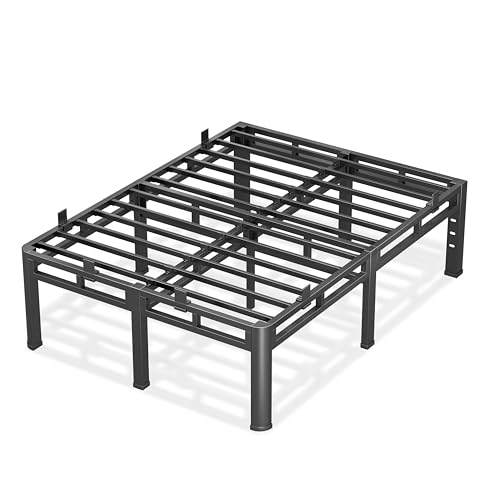 20 Inch King Size Bed Frame,Double Layer Heavy
|
8.8/10 | Buy |
| Best Budget |
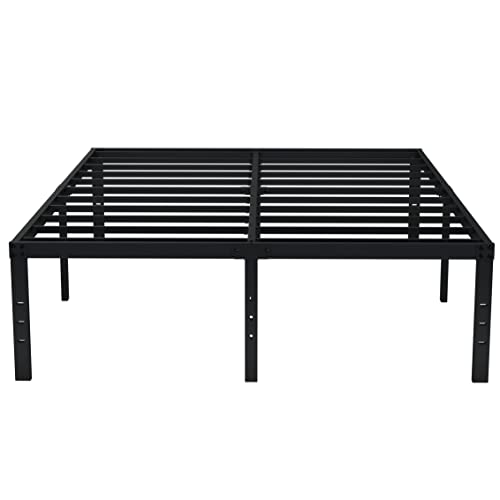 EMODA Queen Bed Frame 18 Inch Heavy Duty Tall
|
8.6/10 | Buy |
Understanding Bed Frame Weight, Structural Integrity, and Practical Moving Logistics
Determining exactly how heavy is a bed frame requires looking past exterior dimensions to examine materials, structural bracing, and deck elevation. A simple twin metal platform may weigh only thirty pounds, while an elaborate king storage bed with hydraulic hardware can exceed two hundred pounds. This physical tare weight dictates how easily you can transport, assemble, and reposition the furniture in your bedroom. Frame weight also directly influences how firmly the foundation anchors against your floor to prevent unwanted shifting and squeaking over years of nightly use.
Average Weight Ranges Across Common Bed Frame Styles
Bed frame styles vary widely in their construction, creating distinct weight categories that influence both delivery logistics and daily bedroom convenience. Minimalist folding metal frames and basic angle-iron bases occupy the lightest tier, generally weighing between twenty-five and forty-five pounds. These compact options prioritize quick setup and effortless relocation, making them practical choices for guest rooms and frequent moves. However, their light mass means they can slide across slick flooring unless secured with rubberized caster cups or non-skid pads.
Tubular steel platform beds represent a popular middle tier, typically weighing between forty and eighty pounds depending on mattress size and height. Frames in this category utilize hollow alloy steel tubing that maximizes structural rigidity while keeping the frame manageable for one person to assemble. Because tubular metal platforms integrate full steel slat decks, they eliminate the need for a separate traditional box spring. You achieve dependable mattress support without having to carry an awkward, heavy box spring through doorways.
Solid hardwood beds, upholstered models, and integrated storage units represent the heaviest residential category, routinely weighing between ninety and two hundred and twenty pounds. Dense timber species like oak and rubberwood add substantial mass to side rails, headboard posts, and footboards. Storage beds that incorporate sliding drawers or hydraulic gas-lift mechanisms add even more mechanical hardware to the total weight. While moving these heavier foundations requires two or more people, their substantial mass creates a silent, sturdy sleeping foundation that resists movement.
How Bed Size and Profile Height Impact Total Frame Heft
Mattress size is one of the most predictable drivers of overall frame heft, as larger dimensions require longer perimeter rails and broader slat networks. Moving from a twin frame measuring thirty-eight by seventy-five inches to a king measuring seventy-six by eighty inches effectively doubles the surface area. This expansion requires manufacturers to double the cross slats and install dedicated longitudinal center support rails. Consequently, a metal platform frame weighing thirty-eight pounds in twin size will typically weigh sixty to seventy-five pounds in king configuration.
Vertical clearance and overall profile height also add measurable metal to the finished frame. Standard low-profile platforms sit ten to twelve inches off the floor, requiring short steel legs. Tall platform options provide expansive under-bed storage clearance, such as the eighteen-inch profile of the EMODA Queen Bed Frame 18 Inch Heavy Duty Tall or the twenty-inch height on the 20 Inch King Size Bed Frame,Double Layer Heavy. Raising the sleeping deck requires extended tubular steel legs and reinforced corner gussets that add ten to twenty pounds of structural metal.
That additional steel weight provides clear spatial utility by creating twelve to sixteen inches of vertical storage space under the mattress deck. This clearance accommodates storage bins, suitcases, and off-season clothing in compact apartments. Taller frames do create a higher center of gravity that requires solid stabilization. Quality tall frames counteract this height by using nine or more reinforced legs and robust connections to ensure the structure remains rigid.
Physical Frame Weight Versus Load-Bearing Capacity
Shoppers often assume that a heavier frame automatically supports more weight, but structural geometry matters far more than raw physical heft. Modern alloy steel engineering enables relatively lightweight platform frames to deliver exceptional static load capacities. For example, the Yitong Angel 14 Inch Queen Bed Frame,3500 lbs weighs under fifty pounds in shipping cartons yet uses reinforced alloy steel legs rated to support up to 3500 lbs of weight. Efficient load distribution allows the frame to remain portable without sacrificing structural integrity.
Double-layer steel engineering expands stationary load limits even further while keeping physical frame weight manageable. The 20 Inch King Size Bed Frame,Double Layer Heavy pairs double-layer steel construction with reinforced center legs to achieve a 4000 lbs capacity. This high static rating accommodates heavy hybrid mattresses, multiple adult sleepers, and stored under-bed items without bending the frame rails. Distributing weight across multiple vertical contact points prevents rail deformation without requiring solid iron beams.
Understanding the distinction between static capacity and dynamic capacity is vital when assessing bed foundation strength. Static capacity reflects stationary, evenly distributed weight resting silently on the sleeping surface. Dynamic capacity accounts for real-world kinetic forces created when sleepers sit down quickly or shift during the night. A well-designed steel platform cushions these dynamic forces across its slat grid and center legs, preventing joint fatigue and bent support posts over time.
The Structural Mechanics of Center Rails and Modular Cross Supports
Center support rails and intermediate cross beams represent the most critical weight-bearing elements in full, queen, and king bed foundations. Mattresses wider than fifty-four inches generate substantial downward deflection pressure along the middle third of the sleeping surface. Without adequate center support, cross slats sag over time, creating an uncomfortable dip that can compromise mattress comfort. Installing a dedicated steel center support rail stabilizes the sleeping deck and ensures the mattress remains properly supported across its full width.
For sleepers wanting to reinforce an existing wooden or metal frame without buying a new bed, modular steel support systems offer a practical path. The Glideaway X-Support Bed Frame Support System provides this reinforcement with three all-steel cross rails and three heavy-duty vertical legs. Its patented X-System design locks the legs into a vertical stance to prevent them from sliding out of position. Heavy-duty super clamps connect the steel cross rails directly to your bed side rails, creating a rigid center foundation that prevents mattress sagging.
These modular support kits add roughly fifteen to twenty-five pounds of solid steel reinforcement directly where downward loads concentrate. Pre-drilled holes allow users to secure the cross slats directly to existing wooden or metal frames using the provided screws. Because the vertical legs rest directly on the floor, downward weight transfers into the subfloor rather than straining decorative side rails. This configuration protects wooden furniture joints while providing the rigid support demanded by modern memory foam and hybrid mattresses.
Acoustic Dampening, Floor Protection, and Joint Stability in Heavy Frames
The physical mass of a bed foundation plays a meaningful role in noise control and nocturnal squeak prevention. Light frames with loose fasteners can flex slightly under body weight, generating metal-on-metal friction and annoying creaks. Quality steel platform frames address this issue by using screw-lock connections equipped with silent dampening pads at critical frame joints. Tightening these padded joints creates a rigid structure that resists lateral sway and maintains quiet stability throughout the night.
Mattress slippage is another common annoyance on smooth steel platform decks that lack perimeter retention lips. Sturdy platform designs resolve this issue using non-slip tape or perimeter mattress baffles. For example, the 20 Inch King Size Bed Frame,Double Layer Heavy features six mattress baffles along the frame perimeter to keep bedding in place. Similarly, the Yitong Angel 14 Inch Queen Bed Frame,3500 lbs provides non-slip tape strips along its steel slats to prevent mattress drift without requiring extra perimeter walls.
Protecting your floor from the concentrated weight of a bed frame and mattress is essential on all floor surfaces. Downward pressure focused through narrow steel legs can dent hardwood boards, scratch laminate, or crush carpet fibers. Reliable metal frames incorporate protective foot plugs or rubber foot pads on every leg base to distribute downward weight evenly. These rubber pads also provide traction against slick floors, keeping the bed firmly in place when you lean against the frame.
Moving, Assembly, and Bedroom Space Logistics
Handling parcel weight during delivery and bedroom setup requires practical preparation and safe lifting techniques. Most metal platform beds arrive in a single flat-pack carton weighing between forty and eighty-five pounds. While one adult can often slide the box into an open room, carrying long cartons up stairs or around tight corners is much safer with two people. Clearing an open floor space slightly larger than the bed dimensions before opening the box protects your walls and keeps assembly organized.
Modern engineering has significantly reduced assembly times for metal platform frames, replacing complex hardware with intuitive locking mechanisms. The EMODA Queen Bed Frame 18 Inch Heavy Duty Tall is designed for setup in approximately twenty minutes with included tools and straightforward instructions. Other designs utilize foldable leg assemblies, U-groove connectors, and embedded slots that let steel pieces snap securely into position. These streamlined connections simplify the initial build and make future disassembly much faster when moving to a new residence.
When assembling any platform bed, keep corner bolts finger-tight until the entire perimeter and center beam are assembled. Squaring the frame corners before torquing down the fasteners ensures the structure sits flat and avoids uneven stress across joint welds. Never drag a fully assembled bed frame across carpet when repositioning bedroom furniture. Dragging catches vertical center support legs on carpet pile, creating lateral leverage that can bend steel posts or strip mounting bolts. Always lift the frame with a helper before shifting its location.
Selecting the Right Frame Weight for Your Bedroom Requirements
Choosing the best frame weight depends on balancing your lifestyle mobility with your preferences for stationary bed stability. Renters and students who move frequently often prefer lightweight steel platforms weighing fifty pounds or less. These bases break down quickly into compact parcels, load easily into vehicles, and maneuver through tight hallways without hassle. They provide strong, dependable mattress support while keeping the physical burden of moving to an absolute minimum.
Homeowners outfitting a permanent bedroom often favor the grounded feel and classic appearance of heavier wooden, upholstered, or tall platform frames. While moving an eighty-to-one-hundred-pound frame takes more effort, the extra mass delivers an unyielding foundation that eliminates bedtime sway. Tall metal platforms also offer practical flexibility, featuring reserved holes on rear legs that let you bolt on DIY headboards and footboards to customize your bedroom decor.
Evaluating how heavy is a bed frame helps you select a foundation that is easy to manage on moving day while delivering uncompromised sleep support. Whether you choose a lightweight alloy platform, add a modular steel support system to an existing bed, or set up a tall double-layer king base, matching frame weight to your bedroom needs ensures quiet, long-lasting performance.
About the author
Janae McKenzie is a shopping journalist with a background in reviewing furniture, décor, and household products. Her sofa coverage draws on hands-on experience, examining comfort, stability, and style to help readers understand what matters beyond appearance.