
What to Consider When Buying an Office Chair: Practical Guide for 2026
Understand what to consider when buying an office chair in October 2026, focusing on lumbar fit, seat pan depth, and stable base support.
 By Zoe Sessums
Updated October 13, 2026
By Zoe Sessums
Updated October 13, 2026

Long desk shifts can quickly expose poor seating mechanics, resulting in nagging lower back aches, shoulder tension, and thigh numbness. Knowing %what to consider when buying an office chair% helps you select a workstation seat that supports healthy spinal alignment and keeps you productive throughout the day. Investing in proper seating requires balancing personal body proportions with mechanical adjustments such as compressed seat height, seat pan depth, and adjustable lumbar support. When planning a functional workspace, reviewing standard furniture layout sizing helps ensure your work area maintains adequate physical room for smooth movement and task efficiency.
A dependable desk chair must match your daily routine, whether you need breathable elastomeric mesh to stay cool or thick high-density foam to cushion your hips. Evaluating core structural components like heavy-duty pneumatic gas cylinders and stable five-star nylon bases ensures your seat maintains reliable support without dangerous wobble or unexpected sinking. Taking time to assess your specific work habits and physical posture requirements prevents premature fatigue and costly chair replacements. Finding the right balance between comfort, adjustability, and build quality transforms how your body feels after hours of continuous computer work.
| Award | Product | FCH Score About FCH ScoreThe FCH Score is our own rating from 0 to 10, based on performance, design and build, ease of use, and value. It reflects independent research and is never influenced by manufacturers, retailers, or affiliate commissions. Learn more › | |
|---|---|---|---|
| Best Budget |
LJZP 3 Pcs Adjustable Office Chair Saver Kit
|
8.6/10 | Buy |
| Best Overall |
 BestOffice | Armless Office Chair | Black
|
9.1/10 | Buy |
| Best Value |
 Amazon Basics Breathable Mesh Mid-Back Office Desk
|
8.9/10 | Buy |
 Boss Office Products B315-BE Perfect Posture Delux
|
8.6/10 | Buy | |
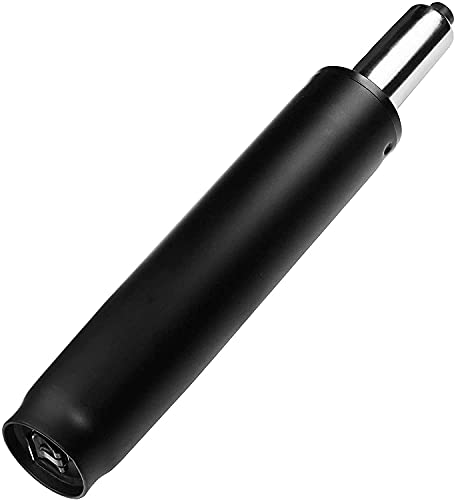 5" Chair Hydraulic Cylinder Replacement for Office
|
8.3/10 | Buy | |
 OUTMASTER Black Office Chair with Wheels
|
7.8/10 | Buy | |
 Office Chair Ergonomic Desk Chair High Back Mesh
|
8.4/10 | Buy | |
 Boss Office Products Posture Task Chair Without
|
8.0/10 | Buy | |
| Best Premium |
 Office Star Pneumatic Sculptured Office Task Chair
|
8.8/10 | Buy |
Key Ergonomic Factors, Adjustability Features, and Build Standards
Selecting a desk chair requires looking far beyond basic aesthetics or showroom appearance. A properly engineered workstation chair serves as the mechanical foundation of your posture, determining how pressure distributes across your spine and legs throughout extended work shifts. By identifying what to consider when buying an office chair, you can avoid common ergonomic pitfalls such as unsupportive seat foam, unyielding lumbar curves, and incompatible armrest heights. Prioritizing verifiable adjustment mechanisms and structural integrity ensures your investment delivers lasting comfort and dependable physical support.
Evaluating Seat Height Adjustment and User Inseam Alignment
Pneumatic seat height adjustment is the primary baseline control for establishing neutral desk posture. When seated, your feet should rest flat on the floor with your knees bent at roughly a ninety-degree angle, allowing your thighs to sit parallel to the ground. If a chair does not lower sufficiently, shorter desk workers may experience dangling feet that tilt the pelvis forward and strain the lower back. Taller professionals sitting in chairs with restricted cylinder travel will find their knees elevated above their hips, transferring excessive body weight directly onto the sit bones.
Measuring seat height under load is critical because soft foam cushions compress several inches under body weight. Many standard task chairs, such as the Amazon Basics Breathable Mesh Mid-Back Office Desk, offer height adjustment ranges that accommodate standard work surfaces. To verify proper height compatibility, measure the distance from the floor to the crease behind your knee while wearing typical shoes. Comparing this popliteal measurement against the compressed height range of the chair ensures you can achieve balanced leg support without a footrest.
Assessing Seat Pan Depth and Popliteal Circulation
Seat pan depth directly impacts blood circulation in your lower extremities and overall spinal alignment. If the seat cushion is too deep for your femur length, the front edge presses against the sensitive popliteal area behind your knees. This constant mechanical friction restricts venous blood return, often resulting in tingling, calf cramps, and hamstring numbness over several hours. An ergonomic chair should always leave a physical clearance of two to three fingers between the seat edge and the back of your calves.
Chairs equipped with adjustable seat sliders or movable backrests allow users to customize seat depth for their proportions. Models like the Office Star Pneumatic Sculptured Office Task Chair feature integrated seat depth adjustments, allowing shorter or taller workers to position the seat relative to the backrest. In addition, designs featuring a downward-sloping waterfall front edge, such as the Boss Office Products B315-BE Perfect Posture Delux, actively reduce localized pressure beneath the thighs. Choosing a chair with flexible seat depth ensures your lumbar spine stays supported against the backrest without compromising leg circulation.
Analyzing Lumbar Support Height, Depth, and Curvature Mechanics
The human spine features a natural inward curvature in the lower back known as lumbar lordosis. When sitting for extended periods, core muscles naturally fatigue, causing the pelvis to rotate backward and the lumbar spine to flatten into an unhealthy slouch. An effective office chair counters this postural collapse by providing targeted lower back support that reinforces the natural curve of the lower vertebrae. Fixed lumbar cushions that lack vertical adjustment often miss this critical zone, creating uncomfortable pressure points against the sacrum or middle back.
Advanced ergonomic chairs offer independent lumbar adjustments that travel vertically to conform to different spinal profiles. For example, high-back designs with dedicated lumbar modules, such as the Office Chair Ergonomic Desk Chair High Back Mesh, provide around two inches of vertical travel to pinpoint the exact apex of your lower curve. Flexible tension or curved mesh backrests also adapt dynamically as you shift positions during typing or administrative tasks. Confirming that a chair allows personalized lumbar placement prevents mid-afternoon lower back fatigue and reduces spinal compression.
Comparing Armrest Flexibility and Workstation Apron Clearance
Armrests play a vital role in offloading mechanical weight from your upper trapezius muscles and cervical spine. Without adequate forearm support, the continuous weight of your arms pulls down on the shoulders and neck, leading to tension headaches and upper back stiffness. Properly positioned armrests should support your elbows at a relaxed ninety-degree angle while allowing your shoulders to remain completely neutral. If armrests are fixed too high, they force your shoulders into a persistent upward shrug that creates intense muscular fatigue.
Workplace ergonomics also requires paying close attention to armrest clearance relative to your desk rim and keyboard tray. Rigid armrests can collide with the edge of the desk, forcing you to sit too far away from your work surface and encouraging a forward-leaning posture. Some task seating solutions solve this issue by using flip-up armrest assemblies that rotate out of the way, allowing the seat to slide completely under the workstation. Alternatively, compact armless chairs like the BestOffice Armless Office Chair eliminate edge obstruction entirely, making them practical options for tight workspaces.
Understanding Recline Mechanisms and Tilt Tension Dynamics
Remaining locked in a static, rigid ninety-degree upright posture for hours at a time accelerates spinal disc fatigue. Modern ergonomic principles encourage dynamic sitting, where the chair gently supports slight changes in torso angle throughout the workday. Center-tilt mechanisms recline the backrest and seat cushion together at a fixed angle, which can lift your feet off the floor as you lean backward. In contrast, synchro-tilt mechanisms recline the backrest at roughly a two-to-one ratio relative to the seat pan, keeping your feet planted while opening up the hip angle.
Tilt tension knobs are essential for calibrating the resistance of the recline mechanism to match your body mass. If the recline tension is too loose, you may feel as though you are tipping backward whenever you shift your weight. If the tension is wound too tight, you will expend unnecessary effort just trying to keep the backrest reclined during casual reading. Chairs with multi-position tilt locks allow users to secure their preferred angle for deep focus or relaxed review without fighting the recline spring.
Balancing Seat Cushion Materials: High-Density Foam Versus Breathable Mesh
The choice between foam cushioning and full suspension mesh represents one of the most critical decisions when selecting an office chair. Breathable elastomeric mesh promotes continuous airflow across the back and thighs, preventing heat buildup and perspiration during extended work shifts. Chairs featuring contoured mesh backs, like the Amazon Basics Breathable Mesh Mid-Back Office Desk, offer excellent ventilation while conforming naturally to body contours. However, budget-grade mesh can occasionally lose elasticity over time, leading to frame contact if the suspension weave sags under daily use.
High-density molded foam provides robust weight distribution and firmer structural support beneath the sit bones. Quality foam cushions, such as the three-inch thick padded construction found on models like the OUTMASTER Black Office Chair with Wheels, resist flattening out during prolonged sitting sessions. Low-density cut foam cushions often bottom out within several months of regular use, leaving users sitting directly on hard seat pans. Upholstered coverings like the polyurethane-infused LeatherPlus used on the Boss Office Products Posture Task Chair combine soft padding with easy-to-clean surfaces that maintain their appearance over time.
Examining Frame Integrity, Five-Star Bases, and BIFMA Standards
A sturdy structural base is essential for preventing dangerous frame deflection, structural creaks, and sudden tip-overs. Commercial task seating relies on wide five-star bases crafted from glass-filled nylon composites, heavy-gauge steel, or polished chrome. Metal five-star bases provide excellent stability and high load ratings, with heavy-duty models capable of supporting up to four hundred pounds without structural flex. A five-point foundation distributes body weight across a broader surface area than older four-point designs, ensuring the chair stays upright during swivels or recline shifts.
Independent structural certifications give buyers verifiable assurance regarding long-term chair safety and mechanical durability. Standards developed by the Business and Institutional Furniture Manufacturers Association, commonly known as BIFMA, subject chairs to rigorous cycle testing for drop impacts, caster durability, and base pull strength. Chairs that explicitly comply with BIFMA standards offer greater peace of mind for both commercial facilities and intensive home office use. Investing in certified structural components helps protect you against catastrophic frame failures and premature mechanical wear.
Inspecting Pneumatic Gas Cylinders and Weight Capacity Limits
The pneumatic gas lift cylinder is the hydraulic heart of any modern swivel office chair. Located inside the center column, this sealed chamber uses pressurized nitrogen gas to cushion seating impacts and provide smooth height travel. Standard residential office chairs often utilize Class 3 cylinders that handle standard daily loads effectively. Heavier users or intensive multi-shift environments benefit from heavy-duty Class 4 gas lift cylinders, which feature thicker steel walls and reinforced internal seals capable of holding up to four hundred fifty pounds.
Weight capacity ratings must always be cross-referenced against your specific body requirements and anticipated usage frequency. Chairs rated for two hundred fifty or two hundred seventy-five pounds suit average daily desk tasks, while specialized models built for heavy users accommodate three hundred to four hundred pounds with ease. Overloading a chair beyond its rated structural capacity accelerates gas seal wear, causing the cylinder to drop unpredictably throughout the workday. Checking manufacturer weight specifications ensures that the internal piston, base socket, and recline mechanism remain structurally sound under continuous use.
Matching Caster Wheel Materials to Workspace Flooring
Caster selection is frequently overlooked during the buying process, yet it directly influences mobility and floor preservation. Standard office chairs typically ship with hard nylon dual-wheel carpet casters designed to roll across low-pile commercial carpeting. When placed directly on natural hardwood, laminate, or glazed tile floors, these hard plastic wheels can slide rather than roll, leaving unsightly scratches, scuffs, and gouges. Utilizing a clear polycarbonate chair mat provides a protective barrier, but choosing the proper wheel material from the start creates a far cleaner workspace solution.
Upgrading to soft polyurethane rollerblade-style casters provides smooth, silent movement across delicate hardwood and tile floors without causing surface damage. These soft tread wheels absorb microscopic debris and roll effortlessly over grout lines and uneven flooring transitions. Most office chairs utilize universal five-caster socket dimensions with standard seven-sixteenths-inch grip-ring stems, making wheel replacement a simple tool-free upgrade. Ensuring your casters match your specific flooring material eliminates distracting rolling noise and protects your flooring investment over years of daily movement.
Spatial Footprint, Workspace Planning, and Multi-Use Rooms
An office chair must integrate seamlessly into the spatial layout of your room without obstructing walkways or colliding with nearby furniture. Standard executive and high-back task chairs feature broad five-star bases that measure twenty-five to twenty-seven inches in diameter. When calculating required floor space, you must account not only for the static chair footprint but also for the additional rollout clearance needed to stand up and recline comfortably. Compact armless models reduce this spatial footprint considerably by sliding completely beneath standard desk aprons when the workday ends.
Workspace efficiency becomes especially critical in multi-functional home environments where a desk shares space with guest accommodations or living quarters. Applying general furniture placement guidelines when organizing your room layout helps prevent awkward pinch points between desks, seating paths, and resting zones. Leaving a minimum clearance of thirty-six inches behind your workstation ensures you can roll backward, adjust your chair height, and transition between seated and standing positions without bumping into walls or storage cabinets. Strategic space planning ensures your ergonomic seating setup enhances daily productivity without overwhelming your home living area.
Maintenance, Cylinder Repair Solutions, and Long-Term Value
Even well-engineered office chairs require basic periodic maintenance to preserve their mechanical smoothness and structural stability. Fasteners holding the armrests, seat mechanism, and backrest can loosen over months of continuous movement, creating annoying squeaks and mechanical play. Inspecting and tightening bolts with a simple hex wrench every six months keeps the chair feeling solid and secure. In addition, clearing hair and dust fibers from caster wheel axles ensures wheels continue to rotate freely without dragging across the floor.
When a pneumatic cylinder eventually loses pressure and begins sinking, replacement parts offer a practical alternative to discarding an otherwise functional chair. Upgrading to a DOZYANT 5″ Chair Hydraulic Cylinder Replacement restores reliable lift action and heavy-duty load capacity with standard tools. Alternatively, mechanical stop collar kits, such as the LJZP 3 Pcs Adjustable Office Chair Saver Kit, clamp directly onto the cylinder shaft with stainless steel brackets to prevent sinking without requiring cylinder removal. Knowing how to maintain and service core components extends chair longevity and delivers exceptional value over your entire ownership journey.
Taking time to evaluate structural materials, adjustment ranges, and personal ergonomic requirements leads directly to a healthier, more comfortable work environment. A quality office chair is an essential tool for protecting your physical well-being, keeping you focused, energized, and free from nagging postural strain throughout long workdays. Verifying key specifications such as weight capacities, BIFMA testing compliance, and proper seat pan clearances ensures your purchase meets real-world demands. With the right seating foundation in place, you can work comfortably for hours knowing your workstation actively supports your posture and long-term health.
About the author
Zoe Sessums is a design writer and editor whose work spans home tours, furniture reviews, and interior design. She has written about sofas, accent chairs, and versatile home furnishings, bringing an eye for design and everyday usability to her coverage.