
What Size Sofa for Small Living Room: Quick Answer
A 60 to 80 inch sofa fits most small living rooms. Verify wall clearance and traffic flow with November 2026 sizing tips.
 By Kate McGregor
Updated November 23, 2026
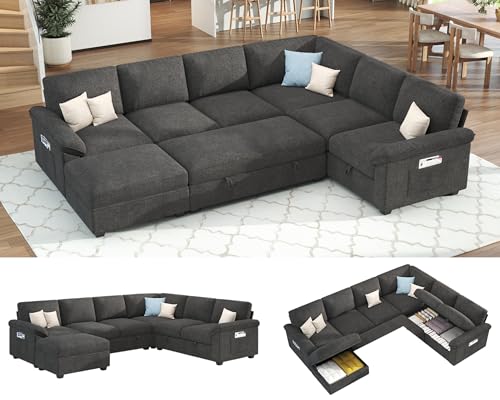

For most compact living spaces, a sofa between 60 and 80 inches wide offers the best balance of seating comfort and walkway clearance. This range allows you to seat two to three adults comfortably while leaving at least 30 to 36 inches of open floor space for natural movement. If your room is exceptionally narrow, a loveseat or compact modular unit under 60 inches may be the more practical choice.
Selecting the right what size sofa for small living room involves more than just measuring the wall. You need to account for furniture depth, traffic flow, and how the piece interacts with windows, doors, and other fixtures. The goal is to create a functional seating area that does not make the room feel cramped or obstructed. Understanding these spatial dynamics helps you avoid common delivery and fit errors.
| Award | Product | FCH Score About FCH ScoreThe FCH Score is our own rating from 0 to 10, based on performance, design and build, ease of use, and value. It reflects independent research and is never influenced by manufacturers, retailers, or affiliate commissions. Learn more › | |
|---|---|---|---|
| Best Overall |
Jocisland 104-Inch Sectional Sleeper Sofa Bed
|
9.2/10 | Buy |
| Best Value |
 GRUSIGN Cloud Sectional Boneless Couches |
9.1/10 | Buy |
| Best Budget |
 GRUSIGN 78-Inch Convertible Futon Sofa Bed |
8.9/10 | Buy |
 Korser 110" L-Shaped Modular Sectional Sofa |
8.4/10 | Buy | |
 Flyida 127" U Shaped Cloud Couch Modular Sectional |
8.3/10 | Buy | |
| Best Premium |
 WAYTRIM 108" Sectional Couches for Living Room |
8.1/10 | Buy |
 TROMIRY U-Shaped Sectional Couches for Living Room |
8.0/10 | Buy |
Jocisland 104-Inch Sectional Sleeper Sofa Bed
The Jocisland 104-inch sectional sleeper sofa functions as a hybrid dual-purpose seating and sleep foundation featuring an integrated pull-out bed mechanism and spring-loaded cushions. It eliminates traditional box spring requirements while adding hidden chaise and ottoman storage, making it ideal for multipurpose living rooms and guest spaces.
Pros
- Eliminates the need for a separate guest bed or secondary mattress foundation
- Generous integrated storage compartments built into both the chaise and the ottoman
- Spring-loaded internal cushion construction provides firm daytime and nighttime support
- Durable, soft-textured grey chenille fabric finish
- Large 83.5 x 104 x 36 inch footprint accommodates 5 to 6 seated users comfortably
Cons
- Heavier total assembled weight of 251 pounds requires multiple people to position and navigate during room delivery
- Sectional footprint requires considerable floor clearance when the sleeper mechanism is fully pulled out
- Integrated cushion sleep surface does not accept standard fitted bed sheets as neatly as a standalone mattress
GRUSIGN 78-Inch Convertible Futon Sofa Bed
The GRUSIGN 78-inch convertible futon sofa bed serves as a tool-free modular sleep foundation, combining high-density foam cushioning with a snap-in metal support framework that completely eliminates the need for a box spring. It transitions from a compact loveseat into a spacious 78-by-78-inch flat sleep surface, making it an adaptable choice for apartment dwellers and guest rooms.
Pros
- Tool-free setup with a snap-together metal support framework and instant unboxing readiness.
- Spacious 78-inch by 78-inch flat sleeping area accommodates two adults in full bed mode without requiring a box spring.
- Removable and washable green corduroy slipcovers simplify cleaning and regular maintenance.
- Non-slip bottom pads prevent shifting on hardwood, tile, and carpeted floors even when positioned away from walls.
Cons
- Low-profile, floor-level sleeping position lacks elevated under-bed clearance for storage bins or robot vacuums.
- Requires an initial 48 to 72 hours of unboxing time for the compressed high-density foam to fully expand before optimal firmness is achieved.
- Weighs 78.48 pounds in a single carton, which may require two people to carry upstairs or through tight hallways.
If this topic is part of a bigger decision, sofa set for living room under $600 is a useful related read.
How to Determine the Ideal Sofa Width for Compact Spaces
| Room Width | Recommended Sofa Width | Remaining Clearance |
|---|---|---|
| 8 to 10 feet | 60 to 70 inches | 30 to 36 inches |
| 10 to 12 feet | 70 to 80 inches | 30 to 40 inches |
| 12 to 14 feet | 80 to 90 inches | 30 to 40 inches |
Before purchasing, you must measure your room accurately to ensure the furniture fits without blocking essential pathways. Here are the key dimensions to record:
- Measure the total wall width where the sofa will sit.
- Measure the distance from the sofa to the nearest door frame.
- Measure the depth of the room from wall to wall.
- Measure the width of any windows or built-in shelves nearby.
- Measure the height of the ceiling to account for tall backrests.
The standard rule of thumb for small living rooms is to leave at least 30 inches of clearance in front of the sofa. This space allows people to walk past the seating area without bumping into it. If you place a coffee table in this zone, the gap between the table and the sofa should be no more than 18 inches for easy reach, but the remaining walkway must still accommodate foot traffic. In very tight spaces, even 24 inches can be acceptable if the room is primarily used for seated activities.
Depth is another critical factor that often gets overlooked. A standard sofa has a depth of about 35 to 40 inches. If you choose a deep-seat model, which can range from 40 to 50 inches, you need to ensure there is enough room behind the sofa for a person to walk through if it is not against a wall.
For against-the-wall placements, the depth requirement is less strict, but you still need to consider how far the backrest extends from the wall. A sofa with a high back may require more clearance from a window or artwork above it.
Calculating Diagonal Depth for Entryway Clearance
Even if the sofa fits against the wall, it must fit through your doorways and hallways to get into the room. This is where diagonal depth becomes essential. The diagonal depth is calculated using the formula: square root of (depth squared + height squared). For a sofa that is 35 inches deep and 33 inches high, the diagonal depth is approximately 48 inches. This measurement must be compared against the width of your door frames and hallway turns.
Standard interior doorways are typically 30 to 36 inches wide. If your calculated diagonal depth exceeds this width, you may need to remove the legs or disassemble the sofa if it is modular. Many modern sofas come with removable legs, which can reduce the effective height and thus the diagonal depth. Always measure your entryway, including any door stops or molding, to ensure the furniture can navigate the space without damage. If the sofa is too large for the entry, you risk delivery refusal or costly return shipping fees.
Optimizing Layout with Modular and Sectional Designs
For small living rooms, modular sofas and sectionals offer flexibility that traditional fixed sofas cannot match. A modular unit can be rearranged to fit different room configurations, allowing you to maximize space as your needs change. For example, an L-shaped sectional can fill a corner efficiently, creating a cozy nook without consuming the entire wall. However, you must be careful with the orientation. Left-Arm Facing (LAF) and Right-Arm Facing (RAF) configurations must align with your room’s focal points and traffic flow to avoid awkward gaps or blocked pathways.
U-shaped sectionals are generally too large for most small living rooms, but compact U-shaped or corner units can work if the room is square and open. The key is to ensure that the central area remains accessible. If you choose a modular design, verify that the individual modules can be moved through your doorways and that they lock securely together to prevent shifting.
This flexibility is particularly useful for renters who may need to reconfigure their space frequently or for those who want to adapt their seating area for different activities, such as movie nights or work-from-home setups.
Ergonomic Considerations for Compact Seating
In a small living room, every inch of seating must be functional and comfortable. Seat depth and seat height are critical ergonomic factors. A seat depth of 21 to 23 inches is standard for upright seating, which is suitable for most people. However, if you prefer deep lounging, a seat depth of 24 inches or more may be more comfortable, but it requires more floor space to ensure you can stand up easily. For petite individuals, a shallower seat depth under 21 inches may provide better lumbar support and prevent slouching.
Seat height typically ranges from 17 to 20 inches. A lower seat height can make it easier to sit down but harder to stand up, especially for older adults or those with mobility issues. Conversely, a higher seat height may make it easier to stand but can feel less cozy for lounging.
When selecting a sofa for a small space, consider the primary users and their comfort preferences. A sofa that is too low or too high can cause discomfort and lead to poor posture, which is particularly noticeable in smaller rooms where you may spend extended periods seated.
Fabric and Maintenance in High-Traffic Small Spaces
Small living rooms are often high-traffic areas, especially in apartments or homes with limited space, requiring durable and easy-to-clean fabric choices.
- Performance fabrics, such as Crypton or Sunbrella, are excellent choices because they resist stains, spills, and pet hair.
- These fabrics are often rated for high abrasion resistance, measured in Wyzenbeek double rubs for durability assessment.
- A rating of 15,000 to 30,000 double rubs is suitable for residential use, while higher ratings are for commercial or heavy-duty applications.
Always check the cleaning code on your sofa. Code W indicates that water-based cleaners can be used, while Code S means only solvent-based cleaners are safe. Using the wrong cleaner can cause water rings, color bleeding, or fiber damage. In a small space, where the sofa is likely to be used daily, easy maintenance is crucial.
Removable and washable cushion covers are a great feature for keeping the sofa looking fresh. If you have pets, consider fabrics that are resistant to claw snags, such as tight-weave microfiber or performance velvet, which are less likely to be damaged by pet claws.
When shopping for a what size sofa for small living room, remember that the right size is not just about fitting the furniture into the room, but about creating a functional and comfortable living space. By carefully measuring your room, calculating diagonal depth for entryway clearance, and considering ergonomic and maintenance factors, you can select a sofa that enhances your small living room without compromising on comfort or style. For more detailed guidance on selecting durable upholstery, you might find our guide to affordable sectional couches helpful for budget-conscious buyers.
Ultimately, the best size for your small living room is one that balances seating capacity, walkway clearance, and aesthetic harmony. Take your time to measure, plan, and visualize the layout before making your purchase. A well-chosen sofa can transform a cramped space into a cozy and inviting area for relaxation and socializing. Always verify the dimensions and delivery requirements to ensure a smooth installation process. By following these guidelines, you can avoid common pitfalls and select a sofa that fits your small living room perfectly.
About the author
Kate McGregor is a design and shopping editor with experience covering furniture, home décor, and interior trends. From sleeper sofas to dining chairs and storage solutions, her editorial work explores the details that make furnishings both attractive and practical.