
What Colors Go With Light Grey Couch: Practical Color Guide for 2026
Coordinate what colors go with light grey couch setups in November 2026 using warm earth tones, deep contrasts, and textured neutrals.
 By Janae McKenzie
Updated November 8, 2026


Light grey upholstery anchors modern living spaces with clean versatility, yet positioning a soft neutral centerpiece often leaves homeowners wondering how to prevent the room from feeling cold or washed out. Finding what colors go with light grey couch setups requires identifying whether your fabric leans toward crisp slate blue undertones or warmer greige notes. Balancing these fabric foundations with contrasting throw pillows, area rugs, and wall tones ensures your living room maintains visual warmth while highlighting the sofa silhouette. Incorporating tactile accents and complementary palettes keeps neutral seating engaging across morning sunlight and evening ambient lamps.
Small living rooms and open-concept apartments benefit tremendously from a light grey focal point because the pale hue reflects ambient light, creating an airy sense of spaciousness. Applying principles from styling layered textiles helps homeowners combine chunky knit blankets, velvet cushions, and woven floor coverings that frame the couch naturally. Choosing the right accent tones also protects everyday convenience, allowing pet owners and active households to mask surface wear through patterned companion pieces without clashing against the upholstery. When coordinated thoughtfully, light grey couches serve as dynamic canvases that support both bold chromatic statements and serene monochromatic living room themes.
| Award | Product | FCH Score About FCH ScoreThe FCH Score is our own rating from 0 to 10, based on performance, design and build, ease of use, and value. It reflects independent research and is never influenced by manufacturers, retailers, or affiliate commissions. Learn more › | |
|---|---|---|---|
| Best Overall |
Chireca 80" Convertible Sectional Sofa
|
8.0/10 | Buy |
| Best Value |
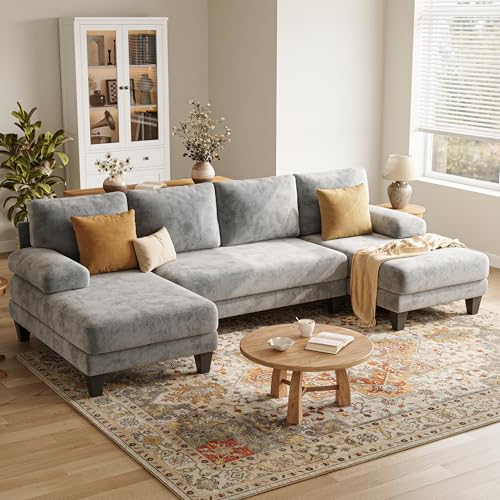 TROMIRY U-Shaped Sectional Couches for Living Room |
7.8/10 | Buy |
Mastering Color Coordination and Accents for Light Grey Couches
Designing a living space around pale neutral seating begins by treating the sofa as an adaptable foundation rather than an isolated furniture piece. Homeowners seeking what colors go with light grey couch arrangements have virtually limitless options, but successful rooms rely on intentional tonal balance and deliberate temperature contrast. Whether your seating features smooth polyester fabric or plush textured chenille, the surrounding colors determine whether the sofa feels crisp and modern or cozy and inviting. Understanding how neighboring tones interact with fabric fibers helps you build a cohesive living room that remains visually balanced throughout the day.
Identifying Light Grey Undertones: Cool Slate Versus Warm Greige
Grey is rarely a simple neutral, as textile dyes almost always carry subtle warm or cool secondary pigments. Cool grey fabrics incorporate faint blue, green, or violet undertones that read crisp and modern under bright daylight. In contrast, warm greige fabrics blend grey with beige or yellow pigments, yielding an earthy, muted softness that leans closer to stone or taupe. Assessing your couch fabric against a sheet of pure white printer paper quickly reveals these underlying pigment temperatures.
Matching accent colors to these foundational undertones prevents accidental visual discord across the room. Cool slate greys pair seamlessly with crisp ocean blues, silvers, and rich emeralds that reinforce their chilled baseline. Warm greys thrive alongside rich caramel leather, cream throws, and muted olive accents that complement their inherent yellow-brown base. Forcing ice-cool pastels onto a heavily warm greige couch can make the sofa look muddy or aged, while pairing muddy yellows with an icy blue-grey couch often makes the room feel disjointed.
Earthy and Warm Color Palettes: Terracotta, Cognac, and Mustard
Infusing warm, organic pigments into a room balances the natural coolness associated with pale grey upholstery. Rich terracotta pillows and rust-toned wool throws create an energetic, grounded atmosphere that instantly cuts through grey neutrality. Cognac leather accent ottomans or side chairs introduce an authentic organic warmth that elevates the sofa without competing for visual dominance. Mustard yellow cushions provide an unexpected cheerful burst of pigment that reads sophisticated rather than overwhelming when paired with muted slate.
Distributing these warm tones across varied heights keeps the seating area balanced and visually engaging. Place a burnt-orange throw blanket across one chaise cushion, then echo that hue with a ceramic planter on a nearby console table. Layering earthy pigments in natural woven textures prevents the bold shades from feeling harsh or synthetic against the sofa fabric. This temperature contrast creates a lived-in, welcoming aesthetic that prevents open living rooms from feeling stark or clinical.
Deep Contrast Schemes: Navy, Forest Green, and Charcoal
High-contrast palettes establish architectural definition and dramatic visual depth around light-colored living room furniture. Classic navy blue cushions provide a timeless, stately pairing that highlights the crispness of a light grey couch. Deep forest green or dark emerald accents introduce an organic, botanical richness that feels refined in both traditional and contemporary interiors. Incorporating deep charcoal pillows or dark iron accent pieces creates a focused tonal bridge between the pale sofa body and darker surroundings.
Using deep, saturated colors also creates focal points that anchor expansive sectional seating. A wide couch can appear to float aimlessly in a large room if surrounded entirely by pale pastels or matching neutrals. Strategically anchoring the sofa corners with dark, heavyweight velvet pillows draws the eye inward and clarifies the sofa boundary. These dark values prevent the furniture silhouette from getting lost against pale walls or bleached wood floors.
Soft and Organic Muted Tones: Sage, Blush, and Dusty Blue
Muted pastel hues offer a gentle, calming alternative to intense jewel tones and high-contrast dark accents. Soft sage green brings a peaceful, botanical balance that pairs effortlessly with both warm and cool grey fabrics. Dusty blush pink introduces a delicate warmth that softens geometric furniture lines without appearing overly feminine or sugary. Pale dusty blue reinforces the serene qualities of light slate upholstery, evoking coastal or Scandinavian design influences.
Muted shades work best when combined with tactile surface interest so the overall palette does not fall flat. A dusty rose pillow featuring a raised waffle weave or fringed linen edge delivers sensory warmth that complements smooth couch cushions. Pairing soft sage accents with matte ceramic accessories and live indoor plants creates a refreshing, nature-inspired living room environment. These gentle colors maintain an open, peaceful feel in compact spaces where saturated colors might feel restrictive.
Monochromatic Layering: Creams, Warm Whites, and Textured Grays
Monochromatic styling produces an elegant, sophisticated aesthetic when planned with diverse surface textures. Combining ivory bouclé pillows, cream cable-knit throws, and charcoal felt accents creates layered depth around a light grey couch. Using stark, sterile pure whites directly against light grey can create an unintended washed-out effect that resembles an unfinished room. Softening those companion neutrals into warm whites, oatmeal, and pearl tones keeps the seating welcoming and dimensional.
Texture serves as a substitute for color contrast in monochromatic interior spaces. A chunky knit blanket draped over the armrest provides shadow lines and physical depth that break up large planes of solid grey fabric. Mixing smooth leather toss pillows with ribbed corduroy cushions creates tactile variety while preserving a unified, low-stimulation palette. This tonal discipline allows architectural room details, natural wood floors, and art frames to stand out clearly.
Area Rug Selection: Grounding Light Grey Seating
The area rug establishes the foundational base for your entire living room arrangement and dictates how the sofa is perceived. Placing a pale grey couch onto an identical plain light grey rug often makes the furniture blend into the floor, erasing the clean lines of the sofa. Selecting a rug with a bold dark ground, such as deep navy, charcoal, or rich rust, immediately establishes contrast and defines the seating zone. Alternatively, an ivory Moroccan rug with faint geometric charcoal line work adds character while keeping the floor bright.
Scale and placement remain just as vital as color selection when coordinating rugs beneath multi-seat couches. When arranging open-concept studio living rooms that border rest areas, reviewing standard furniture proportions and sizing guidelines helps homeowners grasp how floor coverage dictates visual balance across living zones. Your area rug should comfortably accommodate at least the front legs of the sofa to unify the conversation area. A properly proportioned patterned rug featuring blue, cream, and terracotta threads effortlessly ties together your secondary accent pillows.
Wall Paint Pairings: Preventing Visual Monotony
Wall paint acts as the backdrop that either showcases your light grey couch or swallows it completely. Painting living room walls in the exact same value of light grey as the sofa upholstery produces a flat, monochromatic box that lacks visual interest. Opting for crisp off-white walls with warm undertones allows the grey furniture to stand forward as an intentional silhouette. Soft warm beiges or greige wall colors generate gentle contrast that makes light grey upholstery pop cleanly.
Homeowners seeking a moodier, dramatic environment can anchor the room with saturated accent walls behind the couch. A deep charcoal, slate teal, or dark olive accent wall creates a striking high-contrast backdrop that frames a pale sectional beautifully. This dark surround draws attention to the light upholstery, turning the sofa into a bright, inviting focal point. If deep paint feels too bold, installing framed art prints that incorporate warm gold, olive, and cream pigments breaks up bare drywall effectively.
Wood Stains, Metallic Hardware, and Frame Finishes
Furniture frames, coffee tables, and accent lighting provide crucial material contrast that accentuates light grey upholstery. Natural wood finishes like honey oak, walnut, and warm maple inject organic texture that counters the synthetic or neutral feel of fabric. Very light grey or whitewashed wood finishes can sometimes read too uniform against a pale couch, leading to a sterile look. Medium to dark wood tones ground the furniture arrangement and supply necessary visual weight to the room.
Metallic hardware and lighting finishes introduce reflective surfaces that bounce light across grey fabric cushions. Warm metals like brushed brass, antique bronze, and satin gold inject an inviting sparkle that pairs gorgeously with both warm and cool greys. Matte black metal coffee table bases and floor lamp stems deliver sharp, modern graphic outlines that anchor the sofa corners cleanly. Mixing matte black light fixtures with warm brass side table bowls creates an intentional, curated aesthetic rather than a rigid catalog look.
Textile Weaves and Tactile Contrast: Chenille and Smooth Polyester
The texture of your couch fabric significantly influences how surrounding accent colors reflect light and integrate with the room. For instance, the TROMIRY U-Shaped Sectional Couches for Living Room features soft chenille upholstery, which possesses a slight directional nap and plush light-scattering pile. Chenille catches room lighting dynamically, meaning deep colors like forest green or rich terracotta pillows take on a lustrous, cozy depth against its surface. Smooth woven fabrics behave differently by presenting a matte, clean plane that favors crisp graphic patterns.
Compact modular sectionals like the Chireca 80″ Convertible Sectional Sofa utilize modern polyester fabric designed for tailored living spaces and practical apartment living. Smooth polyester surfaces benefit greatly from high-texture accent companions like chunky loop-wool throws, fuzzy bouclé cushions, or slubbed linen pillows. Introducing varied fabric weights prevents a smooth, tight-weave couch from appearing plain or strictly utilitarian. Pairing smooth synthetic upholstery with heavy woven blankets ensures your seating provides both durability and rich tactile comfort.
Managing Room Lighting: How Color Temperature Changes Grey Upholstery
Lighting conditions dramatically alter the perceived color of both your sofa and its accompanying decorative accessories. Daylight from north-facing windows carries a cool, bluish cast that enhances cool slate undertones and can make pale grey appear slightly chilly. South-facing natural light brings warm golden rays that illuminate grey fabrics gently, highlighting hidden warm pigments in the weave. Testing your accent pillow fabric swatches at different times of day prevents disappointing color surprises once shades are drawn.
Artificial lighting plays an equally crucial role in establishing evening color harmony across your living room. Bulbs rated at 2700 Kelvin project a warm, golden glow that softens cool grey fabrics and enhances rich terracotta, cream, and wood accents. Bulbs rated above 4000 Kelvin produce clinical, blue-white illumination that can make light grey couches look harsh and uninviting. Selecting 3000 Kelvin warm-white LED bulbs provides clean, neutral color rendering that keeps accent pillows true to their natural hues.
Practical Color Strategies for Pet Owners and High-Traffic Living Rooms
Active family rooms and pet-friendly homes require color coordination that balances aesthetic beauty with everyday durability. While a light grey couch hides light-colored pet hair reasonably well, high-contrast dark fur or accidental mud stains can show up quickly on pale seat cushions. Choosing patterned accent pillows that mix charcoal, taupe, and mustard disguises routine surface marks while still harmonizing with the couch. Incorporating textured throw blankets across high-traffic chaise zones shields the underlying fabric from pet claws and daily abrasion.
Sectionals equipped with removable, machine-washable cushion covers make maintaining pale neutral upholstery far simpler over years of heavy use. Using washable slipcover throws in warm caramel or textured charcoal across the primary lounge spots keeps the seating fresh without hiding the furniture silhouette completely. Medium-toned rugs featuring distress patterns or multi-color weaves effectively mask tracked-in dirt while anchoring your light grey couch securely. Thoughtful color planning allows busy households to enjoy modern, pale living room seating without constant stress over accidental stains.
About the author
Janae McKenzie is a shopping journalist with a background in reviewing furniture, décor, and household products. Her sofa coverage draws on hands-on experience, examining comfort, stability, and style to help readers understand what matters beyond appearance.