
Is Porch and Patio the Same?
Learn the key differences between a porch and a patio regarding structure, location, and furniture needs for November 2026.
 By Monique Valeris
Updated November 8, 2026


No, a porch and a patio are not the same. A porch is a roofed, enclosed structure attached directly to the main body of a house, typically featuring a floor that is level with the interior living space. In contrast, a patio is an open-air outdoor room that can be attached to the house or located in the backyard, often featuring ground-level paving or decking without a roof.
Understanding this distinction is critical for homeowners selecting the right outdoor furniture, as the structural differences dictate specific needs for weather protection, wind stability, and spatial layout. Choosing the wrong furniture for your specific outdoor area can lead to premature material degradation, uncomfortable seating due to poor sun management, or safety hazards related to wind uplift. This guide clarifies the architectural and functional differences to help you make informed decisions about your exterior living spaces.
The confusion between these two terms often stems from their shared function as transitional outdoor living areas. However, the engineering implications for your outdoor furniture are distinct. A porch offers partial shelter from rain and snow, but it is still exposed to wind and varying temperatures, requiring furniture that can handle intermittent moisture and potential snow loads.
A patio, being fully exposed to the elements, demands higher levels of UV resistance, water drainage, and wind anchoring. By identifying whether your space is a porch or a patio, you can select frame materials, textile fibers, and cushion architectures that will last longer and perform better in your specific microclimate. Whether you are outfitting a covered front entryway or a sun-drenched backyard dining area, the right setup starts with accurate spatial classification.
| Award | Product | FCH Score About FCH ScoreThe FCH Score is our own rating from 0 to 10, based on performance, design and build, ease of use, and value. It reflects independent research and is never influenced by manufacturers, retailers, or affiliate commissions. Learn more › | |
|---|---|---|---|
| Best Value |
RattanView Porch Rules Sign Porch Wood Outdoor
|
8.9/10 | Buy |
| Best Overall |
 Outdoor Patio Wall Decor Patio Signs For Outside |
9.1/10 | Buy |
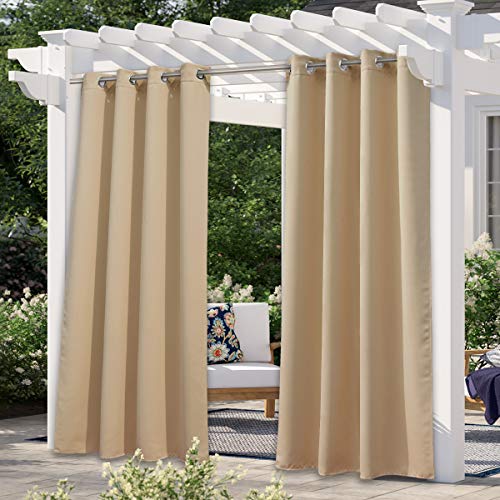 NICETOWN Outdoor Curtains for Patio Waterproof 95" |
8.6/10 | Buy | |
 addlon 100FT Outdoor String Lights ST38 LED |
8.4/10 | Buy | |
 Waterproof Outdoor Curtain W52 x L84 |
7.8/10 | Buy | |
| Best Premium |
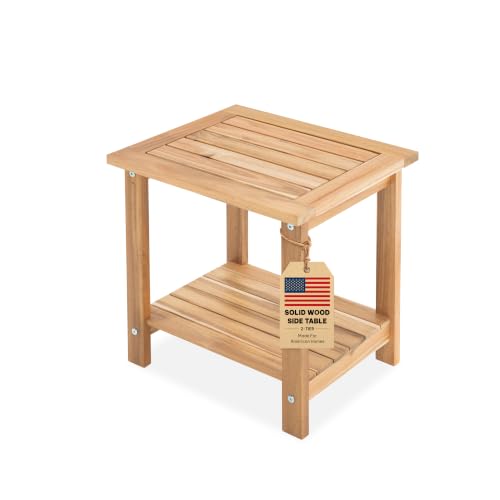 Acacia Wood Adirondack Side Table |
8.4/10 | Buy |
| Best Budget |
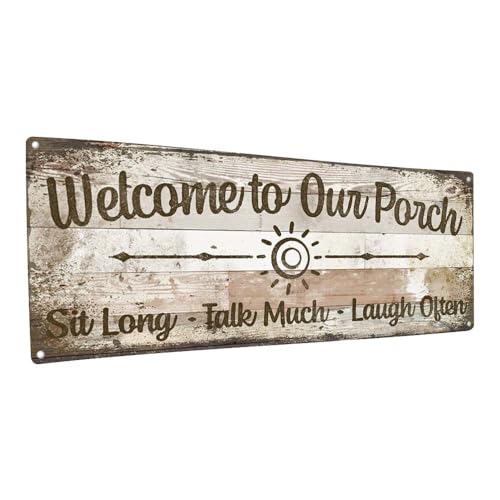 Homebody Accents Welcome to Our Porch; Sit long |
8.9/10 | Buy |
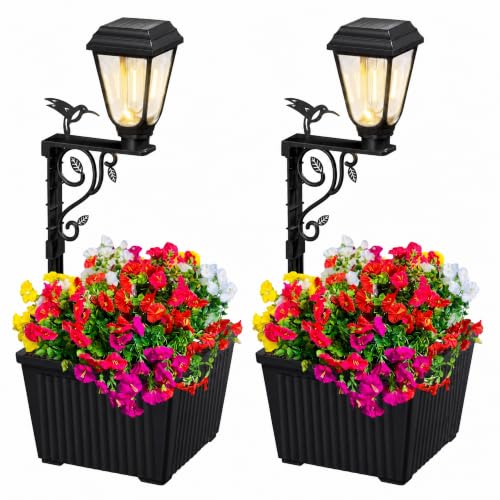 2 Pack 2-in-1 Solar Lamp Post with Planter |
8.1/10 | Buy | |
 Homemory Modern Farmhouse Gold Metal Lanterns 2PCS |
8.1/10 | Buy |
If this topic is part of a bigger decision, front patio vs porch is a useful related read.
Architectural and Functional Distinctions Between Porches and Patios
| Feature | Porch | Patio |
|---|---|---|
| Roof Structure | Roofed and supported by house structure | Open sky or optional canopy |
| Location | Attached to main house exterior | Attached or detached (backyard) |
| Floor Level | Level with interior floor | Ground level or raised deck |
| Weather Exposure | Partial rain/snow shelter | Full sun, rain, and wind exposure |
| Primary Use | Entryway, greeting, casual seating | Dining, lounging, entertainment |
| Privacy Level | Semi-public (street facing) | Private (yard facing) |
The fundamental difference lies in the roofline. A porch is architecturally integrated into the home’s primary structure, meaning it shares the same foundation and floor level as the indoor living space. This integration provides a built-in shelter that protects furniture from direct rainfall and snow accumulation, but it does not eliminate exposure to wind, humidity, or UV rays coming from the sides.
Patios, on the other hand, are defined by their openness to the sky. They can be paved directly on the ground, built on concrete slabs, or constructed as raised wooden or composite decks. Because patios lack the overhead protection of a porch roof, they are subject to the full spectrum of weather elements, including intense midday sun, sudden thunderstorms, and seasonal temperature fluctuations.
Location and accessibility also play a significant role in distinguishing these spaces. Porches are typically located at the front or side of the house, serving as a transitional zone between the private interior and the public exterior. This semi-public nature influences furniture choices, as homeowners often select durable, low-maintenance pieces that can withstand foot traffic and casual use by guests.
Patios are usually situated in the backyard or a secluded area of the property, functioning as a private outdoor room. This privacy allows for more extensive and comfortable furniture arrangements, such as deep-seating sectionals or large dining sets, which require more space and offer greater comfort for extended periods of use. The shift from a functional entryway to a recreational living room changes the priorities for material durability and ergonomic design.
Wind exposure is another critical factor that differs between these two spaces. Porches, being attached to the house, benefit from the structure’s ability to block wind from one or more directions, reducing the risk of furniture displacement during storms. Patios, especially those located in open backyards or on elevated decks, are more susceptible to wind uplift. Lightweight furniture on a patio may require anchoring or heavier frame materials to remain stable during high winds.
This difference in wind exposure directly impacts the choice of frame materials, with heavier options like cast aluminum or HDPE poly lumber being more suitable for exposed patios, while lighter tubular aluminum or steel may suffice for sheltered porches. Understanding these environmental factors is essential for selecting furniture that will remain safe and functional throughout the year.
Key Structural and Environmental Factors to Consider
When evaluating your outdoor space, consider the following structural and environmental factors to determine if you have a porch or a patio:
- Presence of a roof attached to the main house structure
- Floor level relative to the interior living space
- Exposure to direct sunlight and rainfall throughout the day
- Wind direction and strength based on location and elevation
- Proximity to the street versus the private backyard area
- Type of flooring material used (concrete, pavers, wood, composite)
Material Durability in Sheltered vs. Exposed Environments
The material selection for outdoor furniture varies significantly depending on whether the space is a sheltered porch or an exposed patio. On a porch, furniture is protected from direct rain, which reduces the risk of waterlogging in cushion cores and rust formation on metal frames. However, the semi-public nature of a porch means furniture may be exposed to higher foot traffic and potential impacts, requiring durable surface materials that resist scratches and dents.
Frame materials like powder-coated aluminum or HDPE poly lumber are excellent choices for porches, offering a balance of durability and low maintenance. These materials can handle the occasional splash of water or snow without significant degradation, making them ideal for entryway seating.
Patios, being fully exposed to the elements, demand higher levels of material resilience. Intense UV radiation can cause synthetic wicker to become brittle and fade, while direct sunlight can heat metal frames to uncomfortable temperatures. Therefore, furniture for patios should feature UV-resistant fabrics, such as solution-dyed acrylic or olefin, and frame materials that reflect heat, like light-colored aluminum or wood.
Cushions on patios should have open-cell reticulated foam cores that allow water to drain quickly, preventing mold and mildew growth after heavy rain. The combination of UV protection, heat reflection, and rapid drainage is essential for maintaining the appearance and functionality of patio furniture over time. Homeowners should prioritize these material specifications when selecting pieces for fully exposed outdoor areas.
Wind Stability and Safety Considerations for Open Areas
Wind stability is a primary concern for patio furniture, especially in areas prone to strong gusts or storms, where lightweight items pose safety risks.
- Lightweight furniture, such as tubular aluminum chairs or small bistro sets, can be easily displaced by wind, posing a safety risk to people and property.
- To mitigate this risk, homeowners should select heavier frame materials, such as cast aluminum, wrought iron, or HDPE poly lumber, which provide sufficient ballast to resist wind uplift.
- Additionally, using furniture anchors or weights can help secure lightweight pieces during high winds, ensuring stability against strong gusts and potential storms.
- On porches, the house structure provides natural wind blocking, reducing the need for heavy anchoring, but it is still advisable to use non-slip pads or anchors for furniture near the edge of the porch.
- Ensuring wind stability is crucial for maintaining a safe and enjoyable outdoor living environment for all users and protecting surrounding property from damage.
Wind exposure also affects the longevity of furniture components, such as joints, welds, and hardware. Constant wind movement can cause stress on frame connections, leading to loosening bolts or cracking welds over time. Furniture with robust structural joinery, such as continuous heli-arc welds or high-grade stainless steel fasteners, is better suited for wind-exposed patios.
Homeowners should inspect furniture regularly for signs of wear or damage, especially after severe weather events, and make necessary repairs to maintain structural integrity. By prioritizing wind stability and structural durability, homeowners can ensure that their outdoor furniture remains safe and functional for years to come, regardless of the specific weather conditions in their region.
Optimizing Furniture Layout for Porches and Patios
Layout planning is essential for maximizing comfort and functionality in both porch and patio spaces. On a porch, space is often limited, so compact furniture sets, such as bistro tables and chairs or small loveseats, are ideal for creating a welcoming entryway. Ensure that furniture does not block the main entrance or interfere with foot traffic, maintaining a clear path for guests to enter and exit the home.
Porches are also great for displaying decorative elements, such as potted plants, lanterns, or wall art, which can enhance the aesthetic appeal of the space without taking up too much room. The goal on a porch is to create a functional and inviting transition space that complements the overall style of the home.
Patios offer more flexibility in layout design, allowing for larger furniture arrangements and zoning for different activities. For example, a patio can be divided into a dining area, a lounging area, and a conversation area, each with its own set of furniture and decor. When planning the layout, consider the flow of traffic and ensure that there is enough space to move around furniture comfortably.
A general rule of thumb is to leave at least 30 inches of clearance around dining tables for chair pushback and 36 inches for primary walkways. This ensures that the space remains functional and safe for all users. By carefully planning the layout, homeowners can create a patio that is both beautiful and practical, tailored to their specific needs and preferences.
Lighting is another important aspect of layout planning for both porches and patios. Adequate lighting enhances the usability of the space during evening hours and adds to the overall ambiance. On a porch, wall-mounted lights or hanging lanterns can provide soft, ambient lighting that is suitable for casual seating. On a patio, a combination of string lights, pathway lights, and floor lamps can create a layered lighting scheme that is both functional and decorative.
Consider the color temperature of the lights, with warm white lights being more inviting for relaxed settings and cool white lights being better suited for task-oriented activities, such as dining or cooking. By integrating thoughtful lighting into the layout, homeowners can extend the usability of their outdoor spaces into the evening and create a welcoming atmosphere for guests.
Maintenance and Care Differences Between Sheltered and Exposed Spaces
Maintenance requirements for outdoor furniture vary depending on the level of exposure to the elements. Furniture on a porch is protected from direct rain, which reduces the frequency of cleaning and the risk of water damage. However, it is still important to clean furniture regularly to remove dust, pollen, and other debris that can accumulate on surfaces.
Using a mild detergent and water is usually sufficient for cleaning most outdoor furniture materials, including wood, metal, and wicker. For wooden furniture on a porch, applying a protective sealant or oil annually can help preserve the wood’s natural color and prevent weathering. By performing routine maintenance, homeowners can extend the lifespan of their porch furniture and keep it looking its best.
Patios, being fully exposed to the elements, require more frequent and thorough maintenance. Furniture on a patio is subject to direct sunlight, rain, and wind, which can cause fading, rust, and mold growth. To prevent these issues, homeowners should clean patio furniture regularly, especially after heavy rain or storms, to remove moisture and debris. Using a soft brush or cloth and a mild detergent can help clean surfaces without causing damage.
For metal furniture, inspecting for signs of rust and applying a rust-inhibiting primer can help prevent further corrosion. For fabric cushions, using a mildew-resistant cleaner and ensuring they are fully dry before storing can help prevent mold and mildew growth. By implementing a consistent maintenance routine, homeowners can protect their patio furniture from the harsh effects of the elements and maintain its appearance and functionality.
Seasonal storage is another important aspect of maintenance for both porch and patio furniture. In regions with harsh winters, it is advisable to store furniture indoors or in a covered area to protect it from snow, ice, and freezing temperatures. If storage is not possible, using breathable furniture covers can help protect furniture from moisture and debris.
However, it is important to ensure that covers are properly fitted and secured to prevent them from blowing away in the wind. By taking steps to protect furniture during the off-season, homeowners can prevent damage and extend the lifespan of their outdoor pieces. Whether on a porch or a patio, proper maintenance and care are essential for ensuring that outdoor furniture remains a enjoyable and functional part of the home for years to come.
A closely related question is covered in whats the difference between porch and patio, which may help alongside this section.
About the author
Monique Valeris is a home editor with extensive experience covering interior design, decorating ideas, and practical household finds. Her work explores accessible furniture, storage solutions, and ways to make living spaces feel personal without overlooking budget.