
Bed in a Box vs Traditional Mattress: Clear Answer
Compare bed in a box vs traditional mattress support needs, frame compatibility, and setup logistics for November 2026.
 By Kate McGregor
Updated October 31, 2026

Compressed bed-in-a-box mattresses generally require different structural support than traditional innerspring models, primarily due to weight distribution and foam integrity. While traditional mattresses often rely on the air circulation and specific tension of a box spring, most modern bed-in-a-box designs are engineered to sit directly on a solid platform, a slatted frame with gaps under three inches, or an adjustable base.

Understanding these mechanical differences is critical for protecting your mattress warranty and ensuring the bed frame can handle the static and dynamic loads of the compressed foam and hybrid layers. Choosing the right foundation prevents sagging, maintains proper spinal alignment, and extends the lifespan of both the mattress and the underlying bed structure.
This guide breaks down the specific foundation requirements for the products listed below, ranging from pure memory foam to hybrid coil-and-foam constructions. We will examine how slat spacing affects foam warranty compliance, why center support rails matter for heavier hybrid models, and how to verify that your existing bed frame can accommodate the unique delivery and expansion logistics of a boxed mattress.
Whether you are replacing an old box spring or setting up a new apartment, these structural details will help you make an informed decision that balances comfort, durability, and spatial efficiency.
| Award | Product | FCH Score About FCH ScoreThe FCH Score is our own rating from 0 to 10, based on performance, design and build, ease of use, and value. It reflects independent research and is never influenced by manufacturers, retailers, or affiliate commissions. Learn more › | |
|---|---|---|---|
| Best Overall |
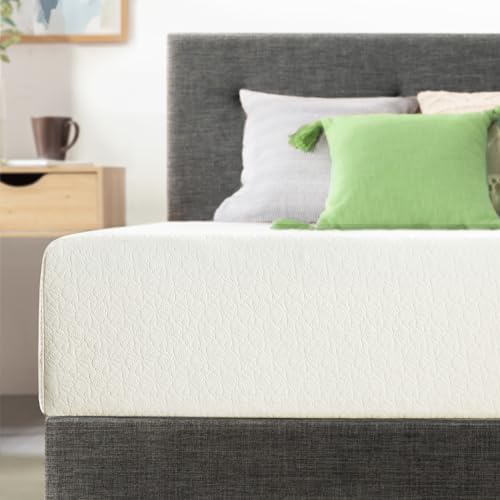 Best Price Mattress 10-Inch Green Tea Full |
9.2/10 | Buy |
| Best Budget |
 AYJOIR 10-Inch Queen Hybrid Mattress |
9.1/10 | Buy |
 Linenspa 8 Inch Memory Foam and Innerspring Hybrid |
9.1/10 | Buy | |
| Best Premium |
 NapQueen Full Size, 10 Inch NEW Victoria Hybrid |
8.1/10 | Buy |
| Best Value |
 Linenspa 10 Inch Hybrid Mattress, Medium |
8.0/10 | Buy |
Best Price Mattress 10-Inch Green Tea Full
Built with CertiPUR-US certified foam layers, this full-size mattress combines green tea infusions with multi-layer construction to deliver pressure-relieving body support. It suits budget-minded sleepers who prioritize odor resistance and reliable foam cushioning backed by a 10-year warranty.
Pros
- Contoured memory foam relieves body pressure points
- Green tea infusion helps maintain daily freshness
- CertiPUR-US certified foam meets safety standards
- Covered by a reassuring 10-year manufacturer warranty
Cons
- Weighs 48.5 pounds, requiring extra effort during setup
- 10-inch profile sits lower than deeper premium mattresses
AYJOIR 10-Inch Queen Hybrid Mattress
Combining gel-infused memory foam with individually wrapped pocket springs, this 10-inch queen mattress delivers balanced medium-firm support and effective motion isolation. It serves combo sleepers well by aligning the spine while helping keep night temperatures regulated.
Pros
- Pocket springs effectively isolate movement across the bed
- Gel-infused foam layer aids cooler sleeping
- Medium-firm profile accommodates multiple sleeping styles
- Compatible with various standard bed frame foundations
Cons
- Requires up to 72 hours to fully expand
- Weighs 74 pounds, making solo setup difficult
Linenspa 8 Inch Memory Foam and Innerspring Hybrid
This 8-inch Twin hybrid mattress from Linenspa combines contouring memory foam with responsive innerspring coils, offering a versatile low-profile sleep surface for bunk beds, trundles, and platform foundations. Sold as a mattress only, it eliminates bulky height in tight quarters while requiring a sturdy slatted platform, bunkie board, or box spring to deliver balanced, medium-firm support for youth or guest rooms.
Pros
- Compact 8-inch profile fits low-clearance trundle beds and preserves safety guardrail height on upper bunk beds
- Hybrid construction blends the contouring comfort of memory foam with the responsive pushback of steel coils
- Standard 74 x 39-inch Twin footprint integrates seamlessly onto platform beds, daybeds, and slatted frames
- Ships compressed at under 40 pounds, simplifying transport up staircases and into tight guest rooms or dorms
- Includes a limited 10-year manufacturer warranty against structural defects
Cons
- Mattress only; requires an existing or separate bed frame, slatted platform, bunk bed deck, or box spring foundation
- Requires 24 to 72 hours following unboxing to reach full 8-inch profile expansion before regular use
- The 8-inch low profile may sit too low on standard open-perimeter metal bed frames without an added box spring or bunkie board
| Mattress Type | Typical Foundation Requirement | Key Structural Consideration |
|---|---|---|
| Bed-In-A-Box (Memory Foam) | Solid Platform or Slats < 3″ | Prevent foam sagging and void warranty |
| Bed-In-A-Box (Hybrid) | Slats < 3″ or Adjustable Base | Ensure coil support and airflow |
| Traditional Innerspring | Box Spring or Slatted Frame | Requires specific tension and bounce |
- Verify slat gaps are under three inches for foam mattresses
- Check center support rails for hybrid weight distribution
- Confirm frame weight capacity exceeds combined sleeper and mattress load
- Ensure bed frame height allows for proper mattress expansion clearance
- Inspect for squeaks or loose joints before placing heavy compressed foam
Why Slat Spacing Dictates Foam Mattress Warranty Validity
Most manufacturers of bed-in-a-box memory foam and latex mattresses include specific clauses in their warranties regarding foundation support. The primary requirement is that the support surface must not have gaps wider than three inches. If the slats on your platform bed are spaced too far apart, the flexible foam core can dip into the voids, creating permanent indentations and uneven pressure points.
This structural failure is often classified as user error, leading to a voided warranty even if the mattress is still within the coverage period. Traditional innerspring mattresses, by contrast, are built with a robust coil system that can span wider gaps without the same risk of core damage.
For the hybrid mattresses listed in this guide, such as the Linenspa and AYJOIR models, the presence of pocketed coils changes the dynamic slightly but does not eliminate the need for close support. While the coils provide some internal structure, the memory foam comfort layers on top remain susceptible to sagging if the underlying slats are too wide.
A solid platform bed or a slatted frame with gaps under three inches is the safest choice for these hybrid designs. This ensures that the weight of the sleeper is distributed evenly across the entire surface, preventing localized stress on the coil pockets and the foam layers above them.
The Role of Center Support Rails in Heavy Hybrid Frames
Weight capacity is a critical factor when comparing bed-in-a-box options to traditional mattresses. Hybrid mattresses, which combine foam and coils, often weigh significantly more than pure foam models, sometimes exceeding 100 pounds for a queen size. This additional mass places a higher static load on the bed frame, particularly at the center of the bed.
If the frame lacks a sturdy center support rail with adjustable leveling legs, the middle of the mattress can sag over time, compromising spinal alignment and reducing the mattress’s effective lifespan. Traditional mattresses, being lighter and often supported by a box spring that distributes weight differently, may be more forgiving of frames with weaker center support.
When selecting a frame for a heavy hybrid bed-in-a-box mattress, look for a design that includes a reinforced center beam and multiple leveling feet. These components ensure that the weight is transferred evenly to the floor, preventing the frame from bowing or the mattress from dipping in the middle. It is also important to check the manufacturer’s stated weight capacity for the frame, ensuring it can handle the combined weight of the mattress and the sleepers. For couples or heavier sleepers, a frame with a high static weight rating and robust joinery is essential to maintain structural integrity over years of use.
Delivery, Expansion, and Frame Compatibility Logistics
One of the distinct advantages of bed-in-a-box mattresses is the ease of delivery and setup, but this convenience comes with specific spatial requirements. Compressed mattresses are shipped in tight rolls or boxes, which means they need to be unrolled in a room with sufficient floor space to allow for full expansion.
Unlike traditional mattresses that arrive in large, rigid boxes requiring freight delivery and often two-person handling, bed-in-a-box models can be carried through narrow doorways and up staircases by a single person. However, you must ensure that the bed frame is fully assembled and stable before placing the mattress, as the expansion process can exert outward pressure that might shift an unstable or loosely constructed frame.
Furthermore, the height of the bed frame becomes a practical consideration during the expansion phase. Most bed-in-a-box mattresses expand to their full height within 24 to 72 hours. If the frame is too low, the mattress may sit uncomfortably close to the floor, making it difficult to get in and out of bed. Conversely, if the frame is too high, it may not match the height of your existing nightstands or headboard. It is advisable to measure the total height of the frame and add the mattress thickness to ensure the final sleeping surface is at a comfortable ergonomic height, typically between 18 and 24 inches from the floor. This measurement also helps verify that the mattress will fit within the perimeter of the frame without being restricted by high rails or decorative headboards.
A closely related question is covered in best mattress adjustable bed, which may help alongside this section.
Ventilation and Temperature Regulation Differences
Ventilation is another key difference between bed-in-a-box and traditional mattress foundations. Traditional innerspring mattresses are designed to work in conjunction with a box spring, which allows air to circulate through the coil system. This airflow helps regulate temperature and reduce moisture buildup, which is important for preventing mold and mildew.

Bed-in-a-box mattresses, particularly those made primarily of memory foam, can trap body heat if placed on a solid platform that does not allow for air circulation. This is why many foam mattress manufacturers recommend using a slatted frame or a ventilated platform bed to promote airflow through the foam layers.
For hybrid mattresses, which include a coil layer, ventilation is less of a concern than for pure foam models, but it still plays a role in long-term comfort and durability. The pocketed coils in hybrid mattresses like the AYJOIR and Linenspa models allow for some air movement, but a slatted foundation can enhance this effect. If you tend to sleep hot, choosing a bed frame with open slats rather than a solid deck can help maintain a cooler sleep surface. Additionally, some bed-in-a-box mattresses feature breathable fabrics or gel-infused foam to mitigate heat retention, but a ventilated foundation complements these features by ensuring that air can flow freely through the entire mattress structure.
Motion Isolation and Frame Stability Requirements
Motion isolation is a primary benefit of bed-in-a-box mattresses, particularly those with memory foam or pocketed coils. These materials absorb and contain movement, preventing it from transferring across the bed. However, the effectiveness of motion isolation can be compromised if the bed frame is unstable or prone to squeaking. A loose or poorly constructed frame can amplify minor movements, creating noise and vibration that disrupt sleep. Therefore, it is essential to pair a bed-in-a-box mattress with a rigid, well-constructed frame that minimizes movement and noise.
When evaluating frame stability, pay attention to the type of joinery used in the construction. Frames with metal-to-metal bolted joints or solid wood joinery are generally more stable than those relying on cam-lock fasteners or direct wood screws, which can loosen over time.
Regular maintenance, such as tightening bolts and checking for loose slats, can help maintain frame stability and ensure that the motion isolation properties of the mattress are fully realized. For couples who value undisturbed sleep, a sturdy, quiet frame is just as important as the mattress itself in providing a restful sleeping environment.
Long-Term Durability and Warranty Implications
The choice of foundation can significantly impact the long-term durability of both the mattress and the bed frame. Using an incompatible foundation, such as a solid platform for a traditional innerspring mattress or wide slats for a foam mattress, can lead to premature wear and tear.
This not only affects the comfort and support of the mattress but can also void the manufacturer’s warranty, leaving you responsible for the cost of replacement. To protect your investment, it is crucial to read the warranty terms of both the mattress and the bed frame carefully, ensuring that they are compatible with each other.
Most bed-in-a-box mattresses come with a limited warranty that covers defects in materials and workmanship, but these warranties often exclude damage caused by improper support. For example, if a memory foam mattress sags due to wide slat spacing, the manufacturer may deny a warranty claim. Similarly, if a bed frame fails due to exceeding its weight capacity, the frame manufacturer may not cover the repair or replacement.
By choosing the right foundation and following the manufacturer’s guidelines, you can ensure that both your mattress and frame last for their intended lifespan, providing consistent comfort and support for years to come. For more detailed information on frame dimensions and sizing, you can refer to our bed size and frame guide to ensure your setup meets all structural requirements.
Practical Setup Tips for Optimal Performance
Setting up a bed-in-a-box mattress requires a few specific steps to ensure optimal performance and longevity. First, assemble the bed frame in a clean, dry room with enough space to unroll the mattress. Check that all slats are properly aligned and secure, and that the center support rail is level.
If you are using a slatted frame, measure the gaps between the slats to ensure they are under three inches. This simple check can prevent costly warranty issues down the line. Once the frame is ready, unbox the mattress and allow it to expand fully before using it. Most mattresses reach their full size within 24 to 72 hours, but some may take longer in cooler temperatures.
After the mattress has expanded, place it on the frame and check for any signs of sagging or uneven support. If the mattress feels soft in the center, it may indicate that the center support rail is not level or that the frame is not sturdy enough. Adjust the leveling legs on the center rail to ensure that the frame is stable and the mattress is supported evenly.
Finally, add your sheets and bedding, and take a moment to assess the overall height and comfort of the setup. If the bed feels too low or too high, consider adjusting the frame height or using a mattress topper to achieve the desired sleeping surface. By following these practical tips, you can ensure that your bed-in-a-box mattress performs at its best and provides a comfortable, restful sleep for years to come.
- Unroll mattress in a warm room to speed up expansion
- Check slat gaps are under 3 inches before placing foam
- Level center support legs to prevent mattress sagging
- Tighten all frame bolts to eliminate squeaks and wobble
- Allow 72 hours for full expansion before first use
In summary, the choice between a bed-in-a-box and a traditional mattress foundation comes down to understanding the specific structural requirements of each mattress type. Bed-in-a-box mattresses, particularly those made of memory foam or hybrid materials, require close slat spacing and robust center support to prevent sagging and maintain warranty validity.
Traditional mattresses, on the other hand, are often designed to work with box springs or specific slatted foundations that provide the necessary tension and airflow. By carefully considering these factors and selecting a compatible bed frame, you can ensure that your mattress performs at its best, providing comfortable, supportive, and durable sleep for years to come. Always verify the manufacturer’s recommendations for foundation support and weight capacity to protect your investment and enjoy a restful night’s sleep.
Readers working through this often check best hospital mattress to prevent bed sores next.
About the author
Kate McGregor is a design and shopping editor with experience covering furniture, home décor, and interior trends. From sleeper sofas to dining chairs and storage solutions, her editorial work explores the details that make furnishings both attractive and practical.