
How to Decorate Living Room With Grey Sofa: Top Tips
Grey is a neutral anchor. Learn layering, texture, and lighting techniques to style a grey couch in November 2026.
 By Janae McKenzie
Updated November 8, 2026


A grey sofa acts as a neutral anchor, allowing you to layer warm textures, bold accents, and varied lighting without the room feeling cold or sterile. Because grey sits in the middle of the color spectrum, it accepts both warm undertones like beige and rust, as well as cool tones like navy and teal. This versatility makes it an ideal foundation for creating a balanced, inviting living space that reflects your personal style while remaining timeless.
To style a grey sofa effectively, focus on contrast and depth. Introduce woven materials like wool or linen for softness, add metallic accents for shine, and use area rugs to define the seating zone. The goal is to build layers that invite touch and visual interest, ensuring the space feels curated rather than minimal. By balancing light and dark elements, you can transform a standard grey couch into the focal point of a sophisticated, comfortable room.
| Award | Product | FCH Score About FCH ScoreThe FCH Score is our own rating from 0 to 10, based on performance, design and build, ease of use, and value. It reflects independent research and is never influenced by manufacturers, retailers, or affiliate commissions. Learn more › | |
|---|---|---|---|
| Best Overall |
YOUDENOVA 2 Piece Set Comfy Sofa Couch
|
9.1/10 | Buy |
| Best Premium |
 Flyida 145" Cloud Couch Oversized U Shaped Light |
8.9/10 | Buy |
| Best Value |
 Furmax Sectional Couches for Living Room |
8.8/10 | Buy |
| Best Budget |
 Chireca 80" Convertible Sectional Sofa |
8.0/10 | Buy |
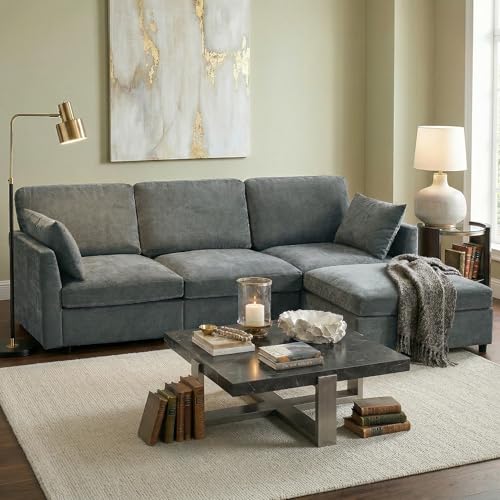 Iroomy Sectional Couch for Living Room |
8.0/10 | Buy | |
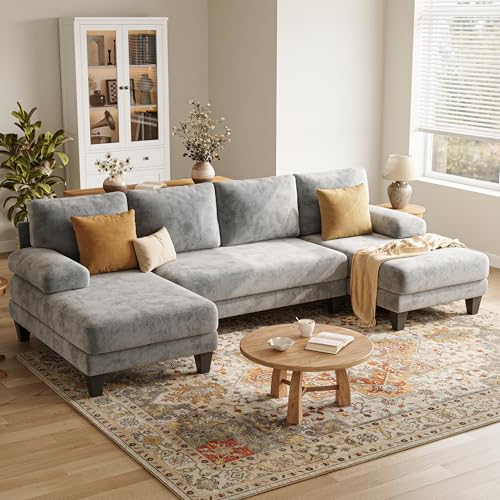 TROMIRY U-Shaped Sectional Couches for Living Room |
7.8/10 | Buy |
For more on a connected point, our page on how to arrange a small living room with 2 couches goes into it separately.
Styling Strategies for a Grey Sofa
| Element | Recommended Approach |
|---|---|
| Throw Pillows | Mix 3-4 patterns; include one solid, one geometric, one textured |
| Area Rug | Choose a rug 24 inches larger than the sofa on all sides |
| Wall Art | Hang pieces 6-8 inches above the sofa back; use a gallery wall for smaller items |
| Lighting | Combine ambient, task, and accent lighting to avoid harsh shadows |
Grey is a chameleon color that adapts to the surrounding palette. The key to successful styling is understanding the undertone of your specific shade. A cool grey with blue or purple hints pairs well with crisp whites, charcoal, and metallics. A warm grey with beige or taupe undertones harmonizes with earth tones, wood, and cream. Identifying this base allows you to choose complementary accents that enhance rather than clash with the furniture.
Texture is the primary tool for adding depth to a neutral scheme. Since the sofa itself may be smooth or flat-woven, introduce tactile variety through accessories. Woven throw pillows, knitted blankets, and velvet cushions create a sensory landscape that invites interaction. This layering prevents the room from feeling flat and adds a sense of coziness that is essential for a living space used for relaxation and socializing.
- Choose a rug that is at least 24 inches larger than the sofa footprint.
- Mix three different pillow textures: linen, velvet, and knit.
- Add a throw blanket in a contrasting color like rust or navy.
- Place a floor lamp behind the sofa for ambient backlighting.
- Use a coffee table with a natural wood or metal finish.
- Hang artwork 6 to 8 inches above the sofa backrest.
Color Palette and Contrast
Monochromatic schemes using different shades of grey can look sleek but risk feeling sterile. To avoid this, introduce a secondary color that provides contrast. If your sofa is light grey, dark accents like charcoal, black, or deep navy create a strong visual anchor. If your sofa is dark grey, lighter accents like cream, white, or pastels add brightness and airiness. The 60-30-10 rule is a useful guide: 60% neutral (walls, sofa), 30% secondary color (rug, curtains), and 10% accent color (pillows, art).
Warmth is crucial in rooms with grey furniture. Without it, the space can feel hospital-like or overly formal. Introduce warmth through natural materials like wood, leather, and stone. A walnut coffee table, a leather ottoman, or a marble side table adds organic texture that balances the coolness of the grey. These elements ground the room and make it feel more inviting and lived-in, bridging the gap between modern minimalism and traditional comfort.
Textile Layering and Pillow Placement
Pillows are the quickest way to change the mood of a grey sofa. Avoid matching all pillows to the same color or fabric. Instead, create a curated mix that includes at least three different textures and two different patterns. A common arrangement is to place the largest pillows at the back corners, followed by medium-sized ones in the center, and finishing with smaller accent pillows in front. This layered approach adds visual interest and comfort.
Blanks and throws serve both functional and decorative purposes. Drape a wool or cashmere blanket over one arm of the sofa to suggest casual elegance. Choose colors that complement your accent palette; a rust-colored throw adds warmth, while a charcoal throw adds sophistication. Ensure the fabric is soft and substantial enough to make a statement without looking flimsy. This small detail can transform a stiff formal arrangement into a relaxed, welcoming seating area.
For more on a connected point, our page on how to arrange a living room with 2 couches goes into it separately.
Lighting and Ambiance
Lighting plays a critical role in how a grey sofa is perceived. Harsh overhead lighting can flatten the color and make the room feel cold. Instead, use a layered lighting approach. Ambient lighting from ceiling fixtures provides general illumination. Task lighting from floor lamps or table lamps allows for reading or working. Accent lighting from sconces or picture lights highlights artwork or architectural features. This combination creates depth and prevents the grey from appearing dull or lifeless.
Consider the color temperature of your bulbs. Warm white bulbs (2700K-3000K) enhance the cozy aspects of a grey room, while cool white bulbs (4000K+) make it feel more modern and crisp. For a living room intended for relaxation, warm lighting is usually the better choice. It softens the edges of the room and makes the grey sofa look plush and inviting. Adjusting the lighting can completely change the atmosphere of the space throughout the day.
Accessories and Personal Touches
Personal items bring life to a styled room. Books, magazines, and decorative objects on the coffee table or side tables add character and show personality. Choose items that reflect your interests, whether that is travel, art, or family. A stack of art books, a small sculpture, or a framed photograph adds a narrative element to the space. Avoid clutter; curate a small selection of meaningful items that enhance the aesthetic without overwhelming it.
Plants are an excellent way to add life and color to a grey scheme. The green of foliage provides a natural contrast that refreshes the eye. Place a large potted plant in a corner or a smaller plant on a side table. The organic shapes and textures of plants soften the lines of the furniture and add a sense of vitality. This natural element helps balance the artificial materials of the furniture and decor, creating a more harmonious and balanced environment.
Common Mistakes to Avoid
One common mistake is using too many patterns without a unifying color. While mixing patterns is encouraged, they should share at least one common color to create cohesion. If your pillows and rug do not share a color thread, the room can look chaotic. To fix this, choose a base color for your accessories and stick to it, using patterns that incorporate that color. This creates a sense of order and intentionality in the design.
Another error is neglecting the scale of the furniture. A large, bulky grey sectional can overwhelm a small room, while a small loveseat can look lost in a large space. Ensure the size of the sofa is proportional to the room dimensions. Leave adequate walking space around the furniture and ensure the rug is large enough to anchor the seating area. Proper scaling ensures the room feels balanced and functional, rather than cramped or sparse.
Finally, avoid over-accessorizing. A grey sofa is a statement piece that benefits from a clean, uncluttered look. Too many pillows, throws, or decorative items can make the space feel busy and hard to navigate. Curate your accessories carefully, choosing a few high-quality pieces that complement the sofa. This restraint allows the furniture to shine and creates a calm, serene atmosphere that is easy to relax in.
- Ensure all pillow patterns share a common color thread.
- Match the sofa size to the room dimensions for balance.
- Limit decorative items to a curated selection to avoid clutter.
- Use warm lighting to enhance the cozy feel of the grey.
- Introduce natural elements like wood or plants for warmth.
Styling a grey sofa is about creating balance and depth. By understanding the undertone of your shade, layering textures, and using lighting strategically, you can create a living room that is both sophisticated and comfortable. The grey couch serves as a versatile canvas, allowing you to express your personal style through color, texture, and accessory choices. With careful planning and attention to detail, you can transform your living space into a welcoming retreat that reflects your taste and meets your needs.
If this topic is part of a bigger decision, sofa set for living room under $600 is a useful related read.
About the author
Janae McKenzie is a shopping journalist with a background in reviewing furniture, décor, and household products. Her sofa coverage draws on hands-on experience, examining comfort, stability, and style to help readers understand what matters beyond appearance.