
When to Use a Sectional Sofa: Key Facts
Learn when to use a sectional sofa based on room size and needs. This guide covers space requirements, configuration options, and maintenance tips for November 2026.
 By Kate McGregor
Updated November 23, 2026


Many homeowners find that a sectional sofa is the ideal solution for open-concept living rooms or family spaces where a standard sofa feels too small. The decision to use a sectional typically depends on having at least 10 feet of wall space and a need for flexible seating that can accommodate multiple people simultaneously. Unlike a traditional three-seater, a sectional offers a continuous seating surface that often includes a chaise or corner unit, making it a practical choice for households that prioritize lounging and social interaction.
However, the suitability of a sectional is not universal. It requires careful measurement of doorways, stairwells, and the room itself to ensure the furniture can be delivered and assembled without issues. If your living area is compact or you move frequently, a modular design may be more appropriate than a fixed L-shape.
Understanding the specific conditions under which a sectional performs best helps you avoid common pitfalls such as overcrowding the space or selecting a configuration that does not match your daily habits. This article explores the key factors that determine when a sectional is the right choice for your home.
| Award | Product | FCH Score About FCH ScoreThe FCH Score is our own rating from 0 to 10, based on performance, design and build, ease of use, and value. It reflects independent research and is never influenced by manufacturers, retailers, or affiliate commissions. Learn more › | |
|---|---|---|---|
| Best Overall |
Sectional Sofa Connectors
|
9.2/10 | Buy |
| Best Premium |
 ROWHY 112'' Modular Sectional Cloud Couch |
8.9/10 | Buy |
| Best Value |
 Couch Clamp Pro Heavy Duty Couch Connectors |
8.4/10 | Buy |
 Korser 110" L-Shaped Modular Sectional Sofa |
8.4/10 | Buy | |
| Best Budget |
 LazyMe Sectional Couch Connectors with Hardware |
8.3/10 | Buy |
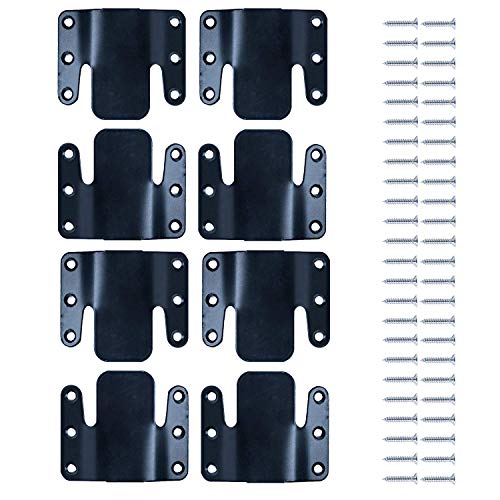 LazyMe Sectional Couch Connectors with Hardware |
8.3/10 | Buy | |
 Eunenete 4 Pcs Universal Sectional Sofa |
8.1/10 | Buy |
A sectional sofa is most effective in rooms that benefit from continuous seating and flexible layout options. The primary indicator for using a sectional is the available floor space. Generally, a standard L-shaped sectional requires a room that is at least 10 feet by 12 feet to allow for comfortable circulation around the furniture.
If your living room is smaller than this, a modular sectional with separate pieces might be a better fit, as it can be configured to fit tighter corners or even separated into individual chairs. The key is to measure the diagonal depth of the room against the largest dimension of the sectional to ensure it fits without blocking traffic paths.
| Room Size | Recommended Sectional Type | Key Consideration |
|---|---|---|
| Small (under 10×10 ft) | Modular or Compact L-Shape | Check doorway clearance and use movable ottomans |
| Medium (10×12 ft) | Standard L-Shape | Ensure 30 inches of walking space around the sofa |
| Large (12×14 ft+) | U-Shape or Large L-Shape | Consider chaise placement for optimal lounging |
Before purchasing, it is essential to verify that the sectional can fit through your entryways. Many large sectionals are delivered in multiple packages to accommodate standard door widths, but you should still measure your narrowest door, hallway, and stairwell turn.
If you live in an apartment, check elevator dimensions and ensure the largest piece can fit inside. Some modular sofas are designed with removable legs or flat-pack components to facilitate this process. If you cannot move the furniture into the room, the sectional is not a viable option regardless of how well it fits the floor space.
Here are the critical measurements to check before deciding on a sectional:
- Measure the width, depth, and height of the narrowest doorway and hallway.
- Check the diagonal depth of the room to ensure the sectional fits.
- Verify elevator dimensions if you live in an apartment building.
- Ensure there is at least 30 inches of clearance around the sofa for walking.
- Confirm that the largest package can fit through your entry points.
Space Configuration and Layout Flexibility
One of the main advantages of a sectional is its ability to define a room’s layout. In open-concept spaces, a sectional can act as a room divider, separating the living area from the dining or kitchen zone without the need for walls. This is particularly useful in homes where the floor plan lacks distinct boundaries.
The L-shape configuration is the most common, with the chaise often placed on the left or right side. It is important to choose the correct orientation (LAF or RAF) to match your room’s layout and ensure the chaise does not block a window or doorway.
Modular sectionals offer even greater flexibility, allowing you to rearrange the pieces as your needs change. For example, you can configure the modules into an L-shape for movie nights and then separate them into individual chairs for a more formal gathering.
This adaptability is ideal for renters or those who move frequently, as it reduces the risk of the furniture not fitting in a new space. However, modular pieces may require additional hardware or connectors to keep them together securely. If you plan to rearrange the sofa often, look for models with easy-to-use connection systems that do not require tools.
Comfort and Seating Depth Requirements
Sectionals are often chosen for their deep seating, which allows for relaxed lounging and stretching out. The seat depth is a critical factor to consider, as it determines how comfortable the sofa will be for different body types. A standard seat depth is around 20 to 24 inches, but many sectionals offer deeper seats of 30 inches or more.
If you prefer to sit upright with your feet on the floor, a deeper seat may cause your back to slide forward, leading to discomfort. In this case, look for a sectional with adjustable headrests or lumbar support to maintain proper posture.
For those who enjoy lying down on the sofa, a deep seat is a significant benefit. It provides enough room to stretch out without feeling cramped. However, if you have shorter legs, a very deep seat may make it difficult to reach the floor, so consider a model with a higher seat height or a chaise that offers more support.
The foam density and suspension type also play a role in comfort. High-density foam provides better support and durability, while softer foam offers a plush feel but may flatten over time. Check the product specifications for foam density and suspension details to ensure the sofa meets your comfort preferences.
Readers working through this often check sectional sofa under $300 next.
Household Needs and Durability Factors
Sectionals are a popular choice for families and pet owners due to their ample seating space. However, they also require more maintenance than a standard sofa. The larger surface area means more fabric to clean and more potential for stains and wear.
If you have young children or pets, look for sectionals with durable, stain-resistant fabrics and removable, washable covers. Corduroy and microfiber are popular choices for their durability and ease of cleaning. Avoid delicate fabrics like velvet or linen if you have high-traffic households, as they may show wear more quickly.
The frame construction is another important factor to consider. A sturdy frame made of kiln-dried hardwood or metal provides better support and longevity. Check the weight capacity of the sofa to ensure it can accommodate the number of people who will use it regularly.
Some sectionals have a weight limit per seat, which is important to know if you have larger family members. Additionally, consider the type of joinery used in the frame. Corner blocks and screws provide stronger connections than staples alone, which can loosen over time. A well-constructed frame will help the sofa maintain its shape and stability for years to come.
Delivery, Assembly, and Maintenance Considerations
Delivery and assembly are significant factors to consider when choosing a sectional. Many large sectionals are delivered in multiple packages, which can complicate the setup process. Check if the delivery service includes assembly or if you will need to assemble the sofa yourself. If you choose a modular sectional, the pieces may need to be connected using hardware or straps. Ensure that the connection system is easy to use and does not require specialized tools. Some models come with detailed instructions and video guides to help with the assembly process.
Maintenance is another ongoing consideration. Sectionals require regular vacuuming to remove dust and debris from the fabric and crevices. Rotate the cushions periodically to ensure even wear and prevent flattening. If you have a pet, use a lint roller or pet hair remover to keep the fabric clean.
For stains, check the cleaning code on the sofa to determine the appropriate cleaning method. Some fabrics require professional cleaning, while others can be spot-cleaned with mild detergent. By following the manufacturer’s care instructions, you can extend the life of your sectional and keep it looking its best.
Here are the key maintenance steps to keep your sectional in good condition:
- Vacuum the fabric weekly to remove dust and pet hair.
- Rotate cushions monthly to ensure even wear and support.
- Spot clean stains immediately using the recommended cleaner.
- Check and tighten any hardware or connectors every six months.
- Use a lint roller for pet hair and a brush for fabric texture.
When a Sectional Is Not the Right Choice
Despite their many benefits, sectionals are not suitable for every home. If you live in a small apartment or a home with narrow doorways, a sectional may be too large to fit or deliver. In these cases, a standard sofa or a modular loveseat might be a better option.
Similarly, if you prefer a formal living room setup with distinct seating areas, a sectional may feel too casual or bulky. It is important to assess your space and lifestyle needs before committing to a sectional. If you are unsure, consider renting a smaller piece of furniture first to see if it fits your space and habits.
Another reason to avoid a sectional is if you move frequently. Sectionals are heavy and difficult to transport, which can make moving a stressful and expensive process. If you plan to move within the next few years, a modular sofa with separate pieces may be easier to transport and reconfigure.
Additionally, if you have a limited budget, sectionals can be more expensive than standard sofas due to their size and complexity. Compare the cost of a sectional with a standard sofa and consider whether the extra features and seating space are worth the investment. By carefully evaluating your needs and constraints, you can determine if a sectional is the right choice for your home.
Ultimately, the decision to use a sectional sofa depends on your specific room dimensions, lifestyle needs, and maintenance preferences. By measuring your space carefully, considering the configuration and comfort features, and evaluating the durability and delivery options, you can make an informed choice that enhances your living area.
If you are still unsure, consult with a furniture specialist or visit a showroom to see different sectional styles in person. This can help you visualize how the furniture will fit in your space and ensure you are making the best decision for your home.
Readers working through this often check how big is a sectional sofa next.
About the author
Kate McGregor is a design and shopping editor with experience covering furniture, home décor, and interior trends. From sleeper sofas to dining chairs and storage solutions, her editorial work explores the details that make furnishings both attractive and practical.