
How to Cover Patio Furniture With a Tarp: Answers and Tips
Learn how to cover patio furniture with a tarp safely to prevent trapped moisture, wind damage, and fabric mildew in November 2026.
 By Monique Valeris
Updated October 24, 2026
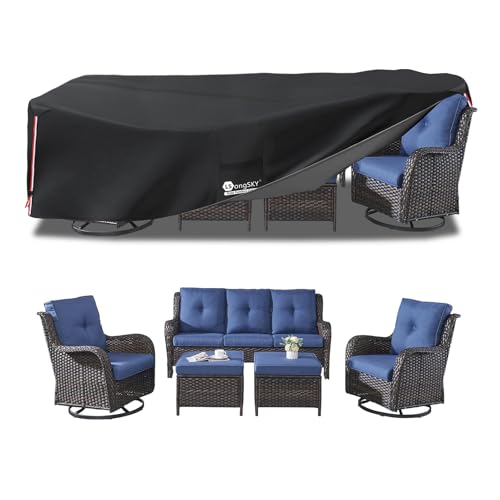

Covering outdoor seating with a standard polyethylene sheet often traps condensation against the frame, creating a humid microclimate that accelerates rust and mold growth on solution-dyed acrylic cushions. The safest method involves using a breathable, vented cover or ensuring a generic tarp is elevated and secured with grommets to allow air circulation.
For November 2026, homeowners should prioritize covers with mesh vents or use a canvas drop cloth as a temporary barrier rather than a sealed plastic sheet. This approach protects against UV fading and rain while preserving the integrity of welds and timber joints.
Many buyers mistake a heavy-duty plastic tarp for a protective shield, but without proper airflow, it acts like a greenhouse. The products listed below range from specialized Oxford-fabric sectional covers to general-purpose canvas drop cloths, each serving a different role in seasonal protection. Understanding the difference between a temporary dust shield and a long-term weather barrier is key to avoiding costly repairs to your patio furniture.
| Award | Product | FCH Score About FCH ScoreThe FCH Score is our own rating from 0 to 10, based on performance, design and build, ease of use, and value. It reflects independent research and is never influenced by manufacturers, retailers, or affiliate commissions. Learn more › | |
|---|---|---|---|
| Best Value |
LSongSKY Outdoor Furniture Covers Waterproof,600D
|
8.8/10 | Buy |
| Best Budget |
 8-9 Person Rectangular Patio Dining Table & Chair |
8.6/10 | Buy |
 WJ-X3 Extra Large Waterproof Patio Furniture Set |
8.8/10 | Buy | |
| Best Overall |
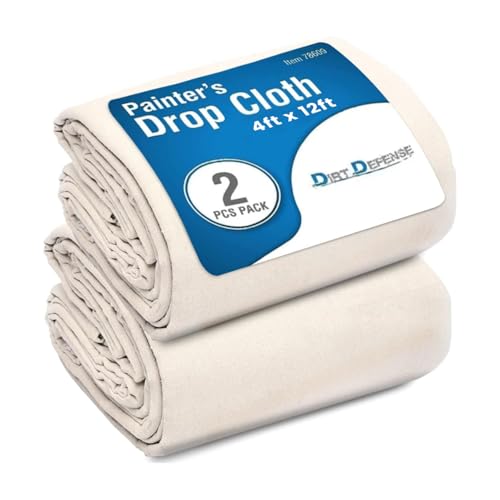 DIRT DEFENSE Pack of 2: Canvas Drop Cloth Cotton |
9.1/10 | Buy |
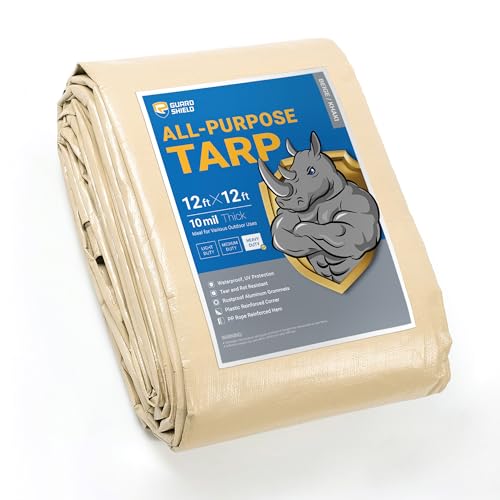 GUARD SHIELD Beige Tarp Heavy Duty Waterproof |
8.4/10 | Buy | |
 ULTCOVER Waterproof Patio Furniture Cover 136L x |
8.1/10 | Buy | |
 iBirdie Outdoor Large Table Patio Furniture Cover |
8.3/10 | Buy | |
| Best Premium |
 SoloToo Patio Furniture Covers Waterproof 4 Piece |
9.1/10 | Buy |
 SoloToo Outdoor Couch Cover Waterproof |
7.8/10 | Buy |
If this topic is part of a bigger decision, patio furniture cover replacement is a useful related read.
Why Proper Tarp Application Matters for Long-Term Durability
The primary risk of covering furniture with an impermeable tarp is moisture entrapment, which occurs when rain hits a plastic sheet and runs down the sides while trapped air underneath cannot escape.
- Trapped air cools at night, causing condensation to form on the underside of the cover and drip onto the furniture.
- This dripping keeps frames and cushions damp for days, leading to surface oxidation and rust weeping on metal frames.
- Rust weeping is particularly common at weld points where the protective powder coating may be thinner than elsewhere.
- For wooden frames, prolonged dampness promotes fungal growth and dry rot, even in dense hardwoods like teak.
Wind is the second major factor. A loose tarp flaps violently in gusts, creating friction against the furniture surface. This constant rubbing can abrade powder-coated finishes, scratch glass tabletops, and fray the edges of resin wicker. Over time, this mechanical wear compromises the structural integrity of the pieces. A properly secured cover eliminates this flapping, ensuring that the furniture remains undisturbed during storms. The difference between a flapping sheet and a snug, vented cover is the difference between a damaged set and a preserved one.
| Cover Type | Breathability | Wind Stability | Best Use Case |
|---|---|---|---|
| Plastic Poly Tarp | None | Low (requires heavy anchoring) | Short-term debris protection only |
| Canvas Drop Cloth | High | Medium (lightweight) | Dust protection, gentle sun shading |
| Vented Oxford Cover | High (mesh vents) | High (straps and hems) | Long-term seasonal storage |
Assessing Your Furniture’s Vulnerability Points
Before selecting a cover, inspect your furniture for existing vulnerabilities. Check the undersides of armrests and legs for any signs of previous rust or water stains. Look at the cushions to see if they are made of reticulated quick-dry foam or standard polyurethane.
Standard foam retains water, making it highly susceptible to mildew if trapped under a non-breathable cover. If your cushions are waterlogged, they must be dried completely before any covering begins. A damp cushion under a tarp will develop a musty odor within 48 hours, which is difficult to remove once set.
Also examine the frame material. Cast aluminum is more resistant to corrosion than tubular steel, but both can suffer if condensation pools in joints. Wood frames require a different approach; they need airflow to prevent swelling. If your furniture is a modular sectional, note the gaps between pieces. A single large tarp may not drape correctly over irregular shapes, leading to loose edges that catch the wind. In these cases, individual piece covers or a custom-fit sectional cover is often a better solution than a generic sheet.
Choosing the Right Material: Breathability vs. Water Resistance
The material of the cover dictates its performance. Heavy-duty polyethylene tarps, like the 10-mil options available, are excellent at blocking rain but terrible at allowing air to pass through. They are best used for short-term protection, such as during a single day of heavy rain or when storing items in a garage.
For long-term outdoor storage, a 600D Oxford fabric with a waterproof coating is superior. These fabrics are woven tightly enough to repel water but often include mesh vents or breathable backings that allow trapped air to escape. This balance prevents the greenhouse effect that damages furniture.
Canvas drop cloths offer a different benefit, made from cotton or cotton-blend duck fabric, they are highly breathable and absorbent.
- While they do not block heavy rain, they protect against dust, pollen, and light sun exposure.
- In mild climates, a canvas cover can be sufficient for overnight protection.
- However, in regions with heavy rainfall or snow, a canvas cover will become saturated and heavy, potentially tearing or slipping off the furniture.
- It is important to match the cover material to your local weather patterns.
- A breathable cover is always safer than an impermeable one if you are unsure about your storage duration.
Measuring for Fit: Avoiding the Loose Edge Trap
Fit is critical for preventing wind damage. A cover that is too small will pull and tear at the edges, exposing parts of the furniture to the elements. A cover that is too large will flap excessively, creating friction and catching the wind like a sail. The ideal fit allows for 1 to 2 inches of extra material around the perimeter.
This slack allows the cover to move slightly without putting stress on the seams or the furniture frame. When measuring, include the width of the chairs if they are tucked under the table. The true footprint of a dining set is determined by the outermost points of the chairs, not just the table itself.
For sectional sofas, measure the total length and width of the arrangement. If the sectional has chaise lounges or corner pieces, ensure the cover is wide enough to drape over the highest points without dragging on the ground. Dragging covers are prone to snagging on debris and tearing.
Many specialized covers include elastic hems and drawstrings to cinch the bottom tightly around the legs. These features are essential for wind resistance, as they prevent the cover from lifting and flapping. If using a generic tarp, you will need to create your own securing method, which is discussed in the next section.
Securing the Cover: Anchoring Techniques for Windy Areas
Securing the cover is the most important step in preventing damage. For generic tarps with grommets, use rust-resistant stainless steel bungee cords or heavy-duty rope. Anchor the corners to the furniture legs or to the ground using stakes or sandbags.
Never use wire or zip ties directly on the furniture, as these can cut into the frame or fabric. If the furniture is on a deck, you can anchor the tarp to the railing, but ensure the anchors are sturdy enough to withstand gusts. The goal is to keep the cover taut but not so tight that it stretches the material.
For vented Oxford covers, the built-in straps and buckles are designed for this purpose. Thread the straps through the grommets or around the legs and tighten them securely. Some covers include a central cinch cord that pulls the middle of the cover down, reducing the surface area exposed to the wind.
This is particularly useful for wide dining tables. In high-wind zones, consider adding extra weights to the bottom hem, such as sandbags or heavy-duty clips. The objective is to eliminate any part of the cover that can catch the air and lift. A secured cover protects the furniture from both rain and wind-induced abrasion.
Preventing Condensation: The Role of Vents and Airflow
Even with a waterproof cover, condensation can form if there is no airflow. This is why mesh vents are a critical feature in high-quality outdoor covers. These vents allow humid air to escape while blocking rain and debris.
If you are using a generic tarp, you can create a makeshift vent by leaving a small gap at the bottom or using a breathable canvas layer underneath the plastic. This double-layer approach allows air to circulate while still providing a barrier against light rain. However, this is less effective than a purpose-built vented cover.
Another technique is to place a small object, such as a folded towel or a piece of foam, under the center of the cover. This creates a gap between the cover and the furniture, allowing air to flow around the pieces. This is particularly useful for flat surfaces like tables, where a tight-fitting cover can trap moisture directly against the top. By elevating the cover slightly, you prevent condensation from dripping onto the furniture. This simple adjustment can make a significant difference in preventing rust and mildew during long-term storage.
Seasonal Maintenance: Inspecting and Cleaning the Cover
Covers are not fire-and-forget items. They require periodic inspection to ensure they remain effective. Check the cover for tears, holes, or frayed edges after every storm. Small tears can grow quickly, especially if the cover is flapping in the wind.
Repair minor tears with a heavy-duty fabric patch or a waterproof seam sealer. If the cover is heavily damaged, it is better to replace it than to risk exposing the furniture to the elements. A compromised cover provides a false sense of security, as it may look intact from a distance but fail when it matters most.
Also clean the cover regularly. Dust, pollen, and bird droppings can accumulate on the surface, trapping moisture and causing discoloration. A simple rinse with a garden hose and a mild soap solution is usually sufficient. Avoid using harsh chemicals or high-pressure washers, as these can damage the waterproof coating.
For canvas covers, you can wash them in a washing machine on a gentle cycle and air dry them. Storing the cover in a dry, cool place when not in use extends its lifespan. Many covers come with a storage bag, which is useful for keeping the cover organized and protected from UV degradation during the off-season.
Common Mistakes to Avoid When Covering Furniture
One of the most common mistakes is covering wet furniture. If the furniture is damp from rain or dew, it must be allowed to dry completely before covering. Trapping moisture under a cover is the fastest way to cause mold and rust. Another mistake is using a cover that is too small. This leads to excessive tension on the seams, causing them to rip.
Always choose a cover that is slightly larger than the furniture to allow for proper draping and securing. Ignoring the wind is also a major error. Even in mild climates, gusts can lift a loose cover and cause significant damage. Always secure the cover properly, using the built-in straps or external anchors.
Finally, do not neglect the cushions. If you are storing the furniture for an extended period, consider removing the cushions and storing them indoors. This provides the best protection against moisture and UV fading. If you leave the cushions on, ensure they are dry and that the cover allows for adequate airflow.
By avoiding these common mistakes, you can ensure that your patio furniture remains in excellent condition, ready for the next season. Proper covering is a simple task, but it requires attention to detail and the right materials to be effective.
For more detailed guidance on maintaining the integrity of your outdoor textiles and frames, refer to our guide on standard dimensions and frame care to ensure your setup is optimized for both comfort and durability. Proper maintenance extends the life of your investment significantly.
About the author
Monique Valeris is a home editor with extensive experience covering interior design, decorating ideas, and practical household finds. Her work explores accessible furniture, storage solutions, and ways to make living spaces feel personal without overlooking budget.