
How to Create an Outdoor Space Without a Patio Explained
You can create a functional outdoor living area on grass, gravel, or decks. Learn layout, furniture, and weather tips for November 2026.
 By Noah Kaufman
Updated November 8, 2026


Creating a comfortable, usable outdoor zone is entirely possible on lawn, gravel, or existing deck surfaces, even without a poured concrete patio.
- You can define a distinct living area using strategic furniture placement, durable ground covers, and weather-appropriate accessories.
- This approach works well for renters, homeowners with sloped yards, or anyone wanting to add outdoor functionality without major hardscaping investments.
- The key is balancing stability, drainage, and spatial flow to ensure the space remains inviting and safe throughout the seasons.
Many people assume that a permanent patio is necessary for a serious outdoor setup, but portable and semi-permanent solutions offer remarkable flexibility. You can utilize outdoor canopies for shade, lightweight yet stable furniture for seating, and decorative elements to establish boundaries. This guide explores how to assemble a cohesive outdoor environment that withstands weather, supports daily use, and enhances your property’s aesthetic without requiring construction permits or heavy machinery. By focusing on material durability and spatial ergonomics, you can transform a simple patch of ground into a high-functioning extension of your home.
| Award | Product | FCH Score About FCH ScoreThe FCH Score is our own rating from 0 to 10, based on performance, design and build, ease of use, and value. It reflects independent research and is never influenced by manufacturers, retailers, or affiliate commissions. Learn more › | |
|---|---|---|---|
|
Digital Sundial Ornament,A solar-powered
|
8.8/10 | Buy | |
 Outdoor Metal Canopy with UV & Rain Protection |
8.0/10 | Buy | |
| Best Premium |
Outdoor Canopy for Doors - UV Protection
|
9.2/10 | Buy |
|
Outdoor Metal Canopy with Drainage
|
8.3/10 | Buy | |
| Best Value |
 AMONIDA Bee Waterer for Garden Patio Outdoor |
9.2/10 | Buy |
 Vistreck Iron Dragonfly Wind Chimes Melody Garden |
9.1/10 | Buy | |
 Cact Folding Drop Leaf Table for Kitchen & Dining |
8.9/10 | Buy | |
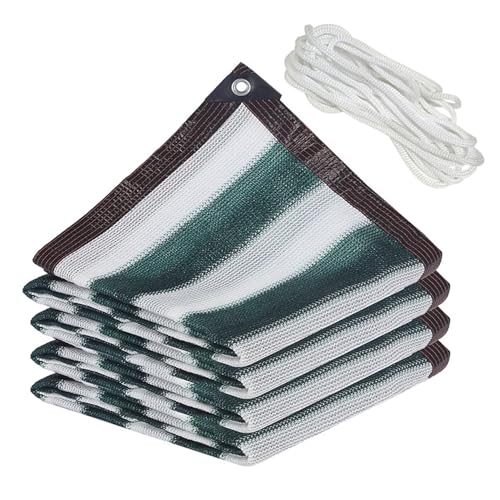 10m x 10m Heavy-Duty Sun Shade Sail with Grommets |
7.8/10 | Buy | |
| Best Budget |
 Xixian Stainless Steel Spiral Wind Spinner |
9.1/10 | Buy |
| Best Overall |
 Xixian Stainless Steel Spiral Wind Spinner |
9.2/10 | Buy |
 Xixian Stainless Steel Spiral Wind Spinner |
8.6/10 | Buy |
A closely related question is covered in how to build a outdoor patio, which may help alongside this section.
Building a Functional Outdoor Zone on Soft Ground
When you lack a solid hardscape foundation, the primary challenge is preventing furniture legs from sinking into soft soil or tilting on uneven terrain. The solution involves creating a stable base layer that distributes weight evenly while allowing water to drain naturally. You don’t need to pour concrete; instead, you can use interlocking pavers, crushed gravel, or heavy-duty artificial turf to create a level, walkable surface. This base layer protects the underlying grass from compaction and provides a neutral platform for your furniture arrangement.
| Surface Type | Best For | Stability Level | Maintenance Needs |
|---|---|---|---|
| Crushed Gravel | Large dining sets, heavy furniture | High | Occasional raking, weed removal |
| Artificial Turf | Compact seating areas, children’s play | Medium | Brushing, infill top-up |
| Interlocking Pavers | Defined walkways, patio zones | High | Minimal, weed control in gaps |
| Natural Grass | Temporary setups, lightweight decor | Low | Mowing, aeration |
Choosing the right base material depends on the weight of your furniture and the expected foot traffic. Heavy cast aluminum or steel frames require a more robust foundation than lightweight poly lumber or resin wicker chairs. If you plan to host gatherings, a gravel or paver base prevents the area from becoming muddy after rain. This simple preparation step significantly extends the lifespan of your furniture by keeping the bottom of the legs dry and stable.
Before placing any furniture, take a moment to assess the drainage patterns of your chosen spot. Water should flow away from your seating area, not pool around it. If the ground is naturally low, consider raising the base slightly with a layer of compacted stone or using furniture with adjustable leveling glides. This prevents water from seeping into the frame joints or cushion bases, which can lead to rust or mildew over time. Proper drainage is the single most important factor in maintaining a no-patio outdoor space.
Defining Boundaries Without Walls
Without a patio edge or fence, the boundaries of your outdoor space can feel undefined. You can create a visual and physical perimeter using landscaping, lighting, or structural elements. Placing a row of potted plants, a low hedge, or a string of outdoor lights along the edge of your gravel area helps separate the living zone from the surrounding lawn. This technique, known as zoning, makes the space feel intentional and cozy rather than like a random arrangement of chairs on grass.
Outdoor rugs are another effective tool for defining space. A large, weather-resistant rug made from polypropylene or natural fibers can anchor a seating group and provide a soft surface for feet. Look for rugs with a non-slip backing to prevent shifting on smooth pavers or turf. The rug should be large enough to accommodate the front legs of all seating pieces, ensuring a cohesive look. This layer adds texture and color, making the area feel more like a dedicated room than a temporary setup.
Lighting plays a crucial role in extending the usability of your space into the evening. String lights, lanterns, or solar-powered path lights can outline the perimeter and provide ambient illumination. Solar lights are particularly convenient for no-patio setups because they don’t require wiring or electrical outlets. Place them at regular intervals along the edge to guide movement and enhance safety. The glow from these lights also adds a layer of privacy and warmth, making the space inviting for late-night conversations or stargazing.
Shade and Weather Protection Strategies
Direct sunlight can make outdoor furniture uncomfortable and accelerate the fading of fabrics and plastics. If your space is exposed to the afternoon sun, you need a reliable shade solution. A freestanding canopy or gazebo is an excellent option for no-patio setups because it can be moved or adjusted as needed. Look for canopies with UV-resistant fabric and sturdy poles that can be anchored into the ground without damaging the surface.
Canopies with built-in drainage systems are particularly useful in areas with frequent rain. These designs feature sloped roofs and channels that direct water away from the center, preventing pooling and reducing the risk of fabric sagging. Some models also include acoustic insulation to dampen the sound of raindrops, creating a more peaceful environment. When selecting a canopy, ensure it is large enough to cover your entire seating area, including the table, to provide full protection from the elements.
For smaller spaces, a retractable awning or a large umbrella attached to a heavy base can provide targeted shade. Umbrellas are easy to move and can be positioned to block the sun at different times of the day. However, they require a stable base to prevent tipping in windy conditions. A weighted base filled with sand or water adds the necessary ballast. This combination of shade and mobility allows you to adapt your outdoor space to changing weather conditions throughout the day.
Selecting Furniture for Soft Surfaces
Furniture selection is critical when working without a patio. Heavy furniture can sink into soft ground, while lightweight pieces may blow away in strong winds. The ideal choice is mid-weight furniture with a wide footprint or adjustable feet. Poly lumber and HDPE resin wicker are excellent materials for this application because they are durable, weather-resistant, and relatively lightweight. These materials don’t rot, rust, or fade, making them ideal for long-term outdoor use on various surfaces.
Avoid furniture with narrow, sharp legs that can dig into the ground. Instead, look for pieces with flat bases or wide feet that distribute weight evenly. Some manufacturers offer furniture with built-in leveling glides, which are helpful for uneven terrain. If you choose metal furniture, ensure it is powder-coated or made from stainless steel to resist rust, especially if the ground is prone to moisture. Regularly inspect the legs for any signs of wear or corrosion, and apply touch-up paint if necessary.
Modular furniture is another smart choice for no-patio spaces. Sectionals and modular chairs can be rearranged to fit different layouts or moved to a different part of the yard. This flexibility is valuable if you need to clear the area for mowing, gardening, or seasonal events. Look for modules that are easy to lift and carry, with handles or lightweight frames. This adaptability ensures that your outdoor space remains functional and accessible throughout the year.
Decorative Elements and Ambiance
Decorative elements transform a functional outdoor area into a welcoming retreat by adding movement and sound.
- Wind chimes, spinners, and other kinetic sculptures add movement and sound to the space.
- A stainless steel spiral wind spinner catches the breeze and creates a mesmerizing visual effect.
- These pieces are lightweight and easy to hang from a canopy, fence, or tree branch.
- Adding a touch of elegance without requiring permanent installation enhances the tranquility of the area.
Potted plants and greenery bring life and color to your outdoor space. Choose containers with drainage holes to prevent waterlogging, and place them on a stable surface to prevent tipping. Low-maintenance plants like succulents, herbs, or ornamental grasses are ideal for busy homeowners. The greenery also helps to soften the look of the gravel or paver base, blending the outdoor space more naturally with the surrounding landscape. This layer of vegetation adds privacy and a sense of enclosure, making the space feel more intimate.
Artificial lighting and decorative accents can further enhance the ambiance. Solar-powered lanterns, candles, or LED string lights create a warm, inviting glow in the evening. These elements are easy to place and remove, allowing you to change the look of your space for different occasions. A few well-placed decorative items can make a significant difference in how the space feels, turning a simple gravel area into a cozy outdoor living room that you’ll enjoy using all year round.
Readers working through this often check what is an outdoor covered patio called next.
Maintenance and Seasonal Care
Maintaining a no-patio outdoor space requires a slightly different approach than caring for a traditional patio. You need to monitor the ground surface for signs of erosion, weed growth, or compaction. Regularly rake the gravel to keep it level and free of debris, and remove any weeds that may sprout in the gaps between pavers. This routine maintenance prevents the base from becoming uneven or unstable over time.
Clean your furniture regularly to remove dirt, pollen, and other debris that can accumulate on soft ground. Use a mild soap and water solution to wash down the frames and cushions, and allow them to dry completely before storing or covering. For fabric cushions, consider using removable covers that can be washed in the machine. This makes it easier to keep the seating area fresh and hygienic, especially if you host frequent gatherings or have children and pets.
At the end of the season, it’s a good idea to store your furniture and decorative items to protect them from harsh winter weather. If you don’t have a garage or shed, use weather-resistant covers to shield your items from snow, rain, and UV exposure. Ensure the covers are secured tightly to prevent them from blowing away. This seasonal care routine helps to preserve the quality of your outdoor setup and ensures it’s ready for use when the weather improves.
Space Planning and Ergonomics
Effective space planning is essential for creating a comfortable and functional outdoor area. Start by measuring the available space and determining the size of your furniture. Leave at least 36 inches of clearance around dining tables for chair pushback, and ensure 30 inches for primary walkways. These dimensions allow for safe and comfortable movement without bumping into furniture or tripping over edges. Proper spacing also helps to maintain a sense of openness and flow in the space.
Arrange your furniture to encourage conversation and interaction. Place seating in a U-shape or circle to facilitate easy communication, and position the table within arm’s reach of all seats. Avoid placing furniture too close to trees or structures, as this can limit airflow and create shaded spots that may feel cold or damp. Use the natural features of your yard, such as slopes or existing plantings, to your advantage in creating a unique and personalized outdoor layout.
Consider the flow of traffic through your space. Ensure that there are clear paths for moving between different areas of the yard without having to step over furniture or squeeze through narrow gaps. This is particularly important if you plan to use the space for entertaining or if you have young children running around. A well-planned layout not only enhances comfort but also improves the safety and usability of your outdoor environment.
Safety and Stability Considerations
Safety is a top priority when setting up an outdoor space on soft ground. Ensure that all furniture is stable and secure, especially if you have children or pets. Use weighted bases for umbrellas and canopies to prevent tipping in windy conditions. Check that all furniture legs are level and that the ground is free of rocks, roots, or other obstacles that could cause tripping. Regularly inspect the area for any hazards and address them promptly to keep your outdoor space safe for everyone.
If you are using electrical lighting or appliances, ensure that they are rated for outdoor use and properly grounded. Use weatherproof outlets and avoid running cords across walkways where they could be tripped over. Consider using solar-powered or battery-operated lighting to eliminate the need for wiring and reduce the risk of electrical hazards. This approach not only enhances safety but also simplifies the setup process, making it easier to maintain a clean and organized outdoor space.
Finally, be mindful of the local climate and weather patterns. If you live in an area with high winds, choose furniture with a low profile and wide base to reduce the risk of blowing away. In regions with heavy snowfall, ensure that your canopy or shade structure can support the weight of snow accumulation. By taking these precautions, you can create an outdoor space that is not only beautiful and functional but also safe and durable for years to come.
Cost-Effective Solutions and Budgeting
Creating an outdoor space without a patio doesn’t have to break the bank. You can start with a small budget and gradually add elements as your needs and preferences evolve. Begin with the basics: a ground cover, a few pieces of furniture, and a shade structure. These core components will provide the foundation for your outdoor space and allow you to enjoy the outdoors immediately.
Look for sales, discounts, or second-hand furniture to stretch your budget further. Many outdoor furniture pieces are designed to be durable and long-lasting, so buying used can be a viable option if you inspect the items carefully for any signs of damage or wear. You can also find affordable decorative elements like wind chimes, potted plants, and lighting at local garden centers or online retailers.
As you gain experience and confidence in designing your outdoor space, you can invest in higher-quality or more specialized items. This phased approach allows you to build your dream outdoor environment without incurring a large upfront cost. It also gives you the opportunity to test different layouts and styles before committing to a permanent design. This flexibility is one of the greatest advantages of creating a no-patio outdoor space.
By following these guidelines, you can create a beautiful, functional, and durable outdoor space without the need for a traditional patio. Focus on stability, drainage, and spatial planning to ensure your space remains comfortable and safe throughout the seasons. With a little creativity and careful planning, you can transform any patch of ground into a welcoming outdoor retreat that enhances your home and lifestyle.
Readers working through this often check how to decorate small outdoor patio next.
About the author
Noah Kaufman is a product-focused editor and writer with experience evaluating household equipment. His published furniture reviews include outdoor sofas, upholstered seating, and standing desks, often drawing on how products perform in everyday home settings.