
Do You Need to Cover Patio Furniture?
Learn when to use patio furniture covers to prevent mold, UV fade, and rust in November 2026. Practical tips for climate-specific protection and maintenance.
 By Monique Valeris
Updated October 31, 2026


Generally, you do not need to cover patio furniture if it is built from naturally weather-resistant materials like FSC-certified Grade-A teak or high-density polyethylene (HDPE) poly lumber, provided the cushions are removed or made of solution-dyed acrylic. However, for metal frames, powder-coated aluminum, or standard resin wicker, a high-quality cover is essential to prevent rust, UV degradation, and moisture-related mold. The decision ultimately depends on your local climate, the specific materials of your set, and whether you have indoor storage space for the cushions.
Many homeowners overlook the difference between water resistance and true weatherproofing. While a frame might repel light rain, prolonged exposure to humidity, salt air, or direct sunlight can compromise structural integrity and finish over time. Understanding the specific vulnerabilities of your patio furniture helps you decide if a cover is a necessary investment or an unnecessary expense. This guide breaks down the material-specific needs and practical scenarios where protection makes the most difference.
| Award | Product | FCH Score About FCH ScoreThe FCH Score is our own rating from 0 to 10, based on performance, design and build, ease of use, and value. It reflects independent research and is never influenced by manufacturers, retailers, or affiliate commissions. Learn more › | |
|---|---|---|---|
|
Enzeno Patio Furniture Cover Outdoor Waterproof
|
8.4/10 | Buy | |
 Easy-Going Rectangle Patio Furniture Cover |
8.3/10 | Buy | |
| Best Value |
 Kipiea Patio Furniture Covers Waterproof Winter |
8.4/10 | Buy |
 BROSYDA Waterproof Outdoor Patio Furniture Covers |
8.0/10 | Buy | |
| Best Overall |
 ULTCOVER Waterproof Patio Furniture Cover 111L x |
9.2/10 | Buy |
| Best Premium |
ULTCOVER Waterproof Patio Furniture Cover 88L x
|
9.1/10 | Buy |
 Bitubi Outdoor Waterproof Patio Furniture Covers |
8.3/10 | Buy | |
 Baner Garden Patio Furniture Covers,Outdoor |
8.0/10 | Buy | |
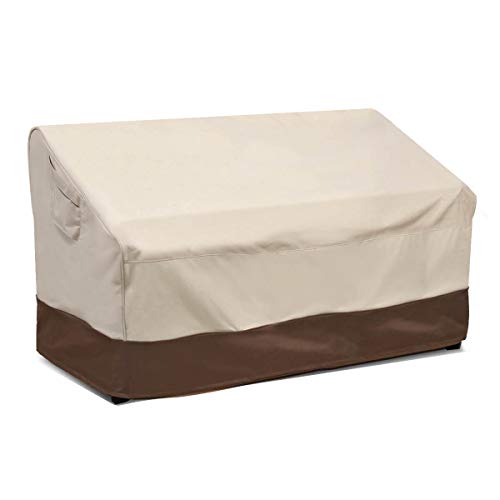 Vailge Patio Loveseat Cover 2-Seater & Outdoor |
8.3/10 | Buy | |
 NEWBULIG Patio Furniture Covers Waterproof 108"L x |
8.0/10 | Buy | |
| Best Budget |
 STARTWO Patio Furniture Covers |
8.8/10 | Buy |
For more on a connected point, our page on can you machine wash patio furniture covers goes into it separately.
Material-Specific Weather Vulnerabilities
The need for a cover is heavily dictated by the construction materials of your outdoor set. Different components react differently to environmental stressors like UV radiation, moisture, and temperature fluctuations. Identifying these weak points allows for a targeted protection strategy rather than a blanket approach to every piece of furniture on the deck.
Here is a quick reference for common frame materials and their typical exposure risks:
| Material Type | Primary Risk | Cover Recommendation |
|---|---|---|
| Powder-Coated Aluminum | Chalking, finish degradation | Recommended for long-term storage |
| E-Coated Steel | Rust at weld points, corrosion | Essential for rain/snow exposure |
| Grade-A Teak | Silvering, surface checking | Optional (aesthetic preference) |
| HDPE Poly Lumber | Fading, surface heat | Optional (maintenance preference) |
| Resin Wicker | UV embrittlement, fraying | Highly Recommended |
Steel frames, particularly those with e-coat finishes, are the most vulnerable to moisture. If the protective coating chips or if water pools in weld joints, rust can develop rapidly. A cover acts as a barrier against rain and snow, but it must be breathable to prevent trapped condensation from accelerating corrosion.
Aluminum frames are more resistant to rust but can suffer from chalking, where the surface finish breaks down and turns white under intense UV exposure. While this is often cosmetic, it can eventually lead to structural weakening if left unaddressed for many seasons.
Wooden frames like teak behave differently from other materials in terms of weathering and maintenance needs.
- Grade-A heartwood teak contains natural oils that repel moisture and resist rot, allowing it to weather naturally to a silver-gray patina.
- Many owners prefer the silver-gray look, making a cover optional unless they want to preserve the original honey-gold color of the wood.
- HDPE poly lumber is highly durable and resistant to rot and insects, but it can fade over time in direct sun exposure.
- A cover can help maintain the original color of HDPE poly lumber, but it is not strictly necessary for structural integrity.
- Resin wicker is prone to UV degradation, where plastic strands can become brittle and fray if exposed to intense sunlight year-round.
- Because resin wicker strands can become brittle and fray from intense sunlight, making a cover a wise investment for these sets.
Identifying High-Risk Exposure Zones
Not all outdoor spaces carry the same risk. A covered porch or a shaded patio area exposes furniture to less UV radiation and direct precipitation than an open deck or rooftop terrace. If your furniture sits in a fully exposed location, the cumulative effect of sun and rain is significantly higher. In these zones, even durable materials benefit from periodic protection, especially during off-seasons when the furniture is not in use.
Coastal environments present unique challenges. Salt spray in the air can accelerate corrosion on metal frames and degrade finishes faster than inland conditions. In these areas, a cover is almost mandatory for any metal-based furniture. Similarly, regions with high humidity and frequent rainfall create ideal conditions for mold and mildew growth on cushions and fabric. Even if the frame is rust-proof, the textiles can suffer permanent damage from moisture retention if not protected or stored indoors.
The Role of Breathable Covers in Moisture Management
If you decide to use a cover, the type of cover matters as much as the decision to use one. Non-breathable vinyl covers can trap moisture inside, creating a humid microclimate that promotes mold growth on cushions and mildew on fabric. This is a common mistake that can actually damage furniture more than leaving it uncovered. High-quality covers feature breathable fabrics and integrated air vents that allow moisture to escape while keeping rain out.
Look for covers with structured air vents on the sides and bottom. These vents reduce wind lofting, which prevents the cover from blowing away in storms, and they promote airflow to keep the interior dry. Additionally, secure fit features like elastic hem cords, toggle locks, and windproof buckles are crucial. A cover that flaps in the wind can abrade the furniture surface, causing scratches and wear. A snug, secure fit ensures the cover stays in place and provides consistent protection without causing friction damage.
Cushion Care and Storage Alternatives
Cushions are often the most vulnerable part of any patio set. Standard polyurethane foam wrapped in Dacron batting absorbs water and takes a long time to dry, creating a breeding ground for mold. If your cushions are not made of solution-dyed acrylic or reticulated quick-dry foam, storing them indoors is the best protection. A cover alone may not be enough to prevent waterlogging if the foam is dense and non-breathable.
For those without indoor storage space, a breathable cover can help, but it is not a substitute for proper drying. If you leave cushions outside, ensure they are completely dry before covering them. Trapping damp cushions under a cover will guarantee mildew growth. Consider using cushion covers that are removable and washable, or investing in cushions with open-cell foam that drains quickly. This approach reduces the need for a full furniture cover and simplifies maintenance.
If this topic is part of a bigger decision, patio furniture cover replacement is a useful related read.
Climate-Specific Protection Strategies
Your local climate should be the primary factor in your decision. In areas with heavy snowfall, a cover is essential to prevent snow accumulation from weighing down frames and causing structural stress. It also prevents ice from forming in joints and hinges, which can freeze and break mechanical parts. In desert climates with intense UV exposure, a cover helps prevent fading and material degradation, especially for lighter-colored fabrics and finishes.
In tropical or high-humidity regions, the focus should be on preventing mold and mildew. Here, a breathable cover is critical, and regular inspection for moisture buildup is necessary. If you live in a region with extreme temperature swings, such as freeze-thaw cycles, a cover can help mitigate the expansion and contraction of materials, reducing the risk of cracking or warping. Tailoring your protection strategy to your specific environmental conditions ensures that your investment in outdoor furniture lasts for many seasons.
Practical Maintenance Checklist
Regardless of whether you use a cover, regular maintenance is key to extending the life of your patio furniture. Here are some essential steps to incorporate into your routine:
- Inspect frames for rust, chipping, or loose hardware monthly.
- Clean cushions and frames to remove dirt, pollen, and debris.
- Check cover integrity for tears, holes, or worn-out buckles.
- Ensure proper drainage by keeping furniture off standing water.
- Store cushions indoors if possible, or use breathable covers.
- Apply protective oil or sealer to wood frames as needed.
Following this checklist helps you identify potential issues early, before they become major problems. For example, spotting a small rust spot early allows for simple touch-up painting, whereas ignoring it can lead to significant corrosion. Similarly, cleaning cushions regularly prevents the buildup of organic matter that can attract pests or cause staining. These small actions save time and money in the long run.
When to Skip the Cover
There are scenarios where a cover is unnecessary. If your furniture is made of high-quality, weather-resistant materials like HDPE poly lumber or Grade-A teak, and you are happy with the natural weathering process, you can skip the cover. This is especially true if you have a covered patio or porch that shields the furniture from direct rain and snow. In these cases, the furniture is already protected from the most damaging elements, and a cover may only add hassle without significant benefit.
Also, if you use your furniture frequently and do not have the time or space to cover and uncover it regularly, it may be better to invest in higher-quality, more durable materials that can withstand exposure. For example, choosing solution-dyed acrylic cushions and powder-coated aluminum frames can reduce the need for a cover. The key is to match the level of protection to the level of exposure and the durability of the materials.
Ultimately, the decision to cover patio furniture is a balance between material durability, climate conditions, and personal preference. By understanding the specific vulnerabilities of your set and the environmental factors in your area, you can make an informed choice that protects your investment and ensures your outdoor space remains comfortable and attractive for years to come.
A closely related question is covered in do i need to cover patio furniture, which may help alongside this section.
About the author
Monique Valeris is a home editor with extensive experience covering interior design, decorating ideas, and practical household finds. Her work explores accessible furniture, storage solutions, and ways to make living spaces feel personal without overlooking budget.