
How to Cover Patio Roof: Simple Answer
Learn how to cover a patio roof using polycarbonate, tarps, or awnings. Practical installation and maintenance tips for November 2026.
 By Kate McGregor
Updated November 4, 2026
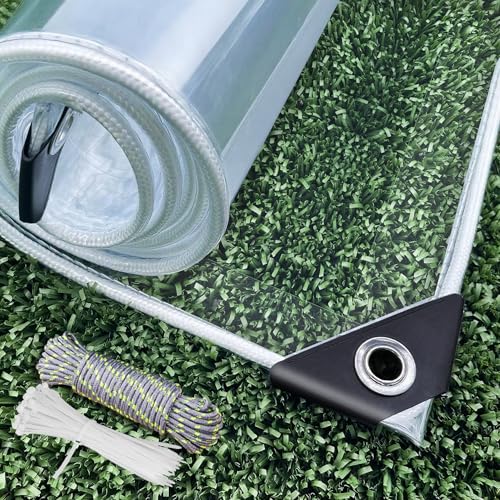

You can cover a patio roof effectively using polycarbonate sheets, heavy-duty tarps, or fitted awning covers, depending on your climate and budget.
- The right choice balances waterproofing, UV protection, and wind resistance to keep your outdoor space usable year-round.
- For most homeowners, a semi-permanent solution like a polycarbonate panel offers the best blend of durability and light transmission.
- Tarps provide a quick, low-cost fix for temporary needs, while understanding material properties and installation methods is key to avoiding leaks, wind damage, and premature material failure.
- This guide breaks down the practical steps and material choices for covering your patio roof safely and effectively.
Choosing the right cover involves more than just picking a waterproof sheet. You need to consider how the material interacts with your existing structure, local weather patterns, and maintenance preferences. A poorly fitted cover can trap moisture, leading to mold on nearby furniture or rot in wooden support beams. Conversely, a well-designed system sheds water efficiently and resists UV degradation, extending the life of your patio.
For detailed insights on maintaining the integrity of outdoor structures, you might also find our outdoor furniture maintenance guide helpful, as it covers related weatherproofing principles. The goal is to create a shelter that protects both your furniture and the architectural elements of your home.
| Award | Product | FCH Score About FCH ScoreThe FCH Score is our own rating from 0 to 10, based on performance, design and build, ease of use, and value. It reflects independent research and is never influenced by manufacturers, retailers, or affiliate commissions. Learn more › | |
|---|---|---|---|
|
Dulepax Clear Tarp Heavy Duty with Grommets 10x12
|
8.4/10 | Buy | |
| Best Premium |
 VINGLI Window Awning Door Canopy Exterior |
9.1/10 | Buy |
| Best Value |
 OlaVeg Heavy Duty RV Roof Cover fits 16ft to 21ft |
8.0/10 | Buy |
 GUARD SHIELD Heavy Duty Tarp 12x16 Feet Green |
8.8/10 | Buy | |
 WENESTR Waterproof Repair Clear Tape 4 Inch x 5FT |
8.4/10 | Buy | |
| Best Budget |
 GUARD SHIELD Black Tarp Waterproof 6x6 Feet All |
8.9/10 | Buy |
 RecPro RV Patio Awning Cover Kit |
8.1/10 | Buy | |
| Best Overall |
 YHKJLYH Polycarbonate Roofing Sheet,Outdoor Awning |
9.2/10 | Buy |
A closely related question is covered in how to maintain a patio cover, which may help alongside this section.
Material Selection and Structural Fit for Patio Roofs
Selecting the correct material is the first critical step in covering a patio roof. Each option offers distinct advantages in terms of durability, light transmission, and cost. Polycarbonate sheets are a popular choice for semi-permanent installations because they are lightweight yet strong enough to withstand hail and impact.
They allow natural light to filter through, which is ideal if you want to maintain a bright, open feel in the patio area. However, they require a proper framing system to support their weight and ensure water sheds away from the living space.
Heavy-duty tarps, particularly those made from thick polyethylene or PVC, offer a flexible and inexpensive solution. These are best suited for temporary coverage or as a secondary layer over an existing awning. The key feature to look for is the mil thickness; a higher number indicates greater resistance to tearing and punctures.
For example, a 10-mil or 14-mil tarp provides significantly more durability than thinner options, making it suitable for long-term outdoor exposure. When choosing a tarp, ensure it includes rustproof aluminum grommets for secure attachment points, which are crucial for withstanding wind loads.
Awnings and fitted covers represent a middle ground between temporary tarps and permanent roofing. These products are often designed to slip over existing awning arms or fit specific window and door dimensions. They provide targeted protection for entryways and seating areas without requiring major structural modifications.
The material used in these covers is typically UV-resistant polymer or reinforced fabric, which prevents the material from becoming brittle or fading over time. This makes them a good option for homeowners who want a clean, integrated look without the complexity of installing a full roof panel system.
| Material Type | Best For | Light Transmission | Durability | Installation Complexity |
|---|---|---|---|---|
| Polycarbonate Sheets | Permanent/semi-permanent roofs | High (~80%) | High | Medium-High |
| Heavy-Duty Tarps | Temporary/seasonal coverage | Variable | Medium | Low |
| Fitted Awnings/Covers | Door/Window protection | Low/Medium | Medium-High | Low |
| Repair Tape | Small leaks/patches | None | Low | Very Low |
Understanding the trade-offs between these materials helps you make an informed decision. If you prioritize aesthetics and long-term value, polycarbonate is often the superior choice. If you need a quick fix for a specific season or a tight budget, a high-quality tarp may be sufficient.
The key is to match the material to your specific needs and environmental conditions. For instance, in areas with heavy snow loads, the structural integrity of the supporting frame becomes just as important as the roofing material itself. Always ensure that whatever you install is rated for the local climate and can handle the expected weather stresses.
Key Measurement and Preparation Checklist
Before purchasing any roofing material, accurate measurements and preparation are essential to ensure a proper fit and successful installation. A small error in measurement can lead to gaps, water leakage, or the need for costly replacements. Take your time to measure each dimension carefully and double-check your calculations. Here are the key steps to prepare your patio for a new roof cover:
- Measure the length and width of the patio area to be covered.
- Check the height of existing structures like awnings or eaves.
- Inspect the current roof structure for damage or rot.
- Verify local building codes for permitted roof modifications.
- Ensure all attachment points are clean and structurally sound.
Proper preparation also involves clearing the area of any debris and ensuring that the surface where the new cover will be installed is dry and clean. For tarps, this means making sure the grommets are not clogged and the edges are free from tears. For polycarbonate panels, it involves checking that the framing is level and square. Taking these steps upfront saves time and frustration during the actual installation process. It also helps you identify any underlying issues that need to be addressed before adding the new layer of protection.
Installation Techniques for Different Materials
Installing a patio roof cover requires attention to detail and the right tools. The method varies significantly depending on whether you are using tarps, polycarbonate sheets, or fitted awning covers. For tarps, the process is relatively straightforward but requires secure anchoring to prevent wind from lifting the material. Use heavy-duty bungee cords or rope to attach the tarp to the grommets, ensuring that the fabric is taut but not overstretched. This tension helps water run off quickly and reduces the risk of flapping, which can cause wear and tear.
Polycarbonate sheets require a more structured approach. These panels are typically installed on a frame made of metal or wood, with the sheets secured using screws and rubber washers to prevent cracking. It is important to follow the manufacturer’s instructions for spacing and alignment to ensure proper water drainage. Many polycarbonate panels are designed to be cut to size, allowing for a custom fit around obstacles like vents or chimneys. When cutting, use the appropriate tools to avoid creating sharp edges that could be hazardous or compromise the panel’s integrity.
Fitted awning covers are the easiest to install, often requiring no tools at all. These products are designed to slide over existing awning arms or snap into place. The key is to ensure that the cover is fully extended and secured at both ends to prevent it from slipping off in high winds.
Some covers come with additional straps or buckles for extra security, which should be used in windy conditions. Regular inspection of these covers is important to ensure that the fasteners remain tight and the material is not degrading.
For more on a connected point, our page on how do you build a patio cover goes into it separately.
Weatherproofing and Leak Prevention Strategies
One of the primary goals of covering a patio roof is to prevent water intrusion. Even the best materials can fail if they are not properly sealed or installed. For tarps, the seams are the most vulnerable points, so it is important to use high-quality, heat-sealed tarps.
If you notice any tears or holes, patch them immediately using waterproof repair tape. This tape is designed to adhere strongly to PVC and polyethylene, creating a watertight seal that can withstand outdoor conditions. Applying the tape to a clean, dry surface ensures the best adhesion and longevity.
For polycarbonate roofs, the joints between panels are critical. Use appropriate sealants or gaskets to ensure that water does not seep through the gaps. The panels themselves are often designed with a slight slope to encourage water runoff, so maintaining this slope during installation is crucial. Any pooling of water on the roof can lead to increased load and potential leaks. Additionally, consider installing gutters or downspouts to direct water away from the patio area and prevent erosion or water damage to the foundation.
Regular maintenance is key to keeping your patio roof watertight. Inspect the cover periodically for signs of wear, such as cracks, tears, or loose fasteners. Clean the surface to remove debris, leaves, and dirt that can trap moisture and promote mold growth. For polycarbonate panels, use a mild soap and water solution to clean the surface, avoiding abrasive cleaners that could scratch the material. By staying proactive with maintenance, you can extend the life of your roof cover and ensure it continues to provide reliable protection against the elements.
Wind Resistance and Structural Stability
Wind is a major factor to consider when covering a patio roof. A loose or poorly secured cover can become a hazard in strong gusts, potentially causing damage to the roof itself or surrounding structures. To mitigate this risk, ensure that all attachment points are secure and that the material is tensioned properly. For tarps, use additional anchors or weights if necessary to keep the fabric down. For polycarbonate panels, ensure that the framing is robust and that the panels are fastened securely to the structure.
The design of the roof also plays a role in wind resistance. A sloped roof is generally better at shedding wind and water than a flat one. If your patio has a flat roof, consider installing a slight pitch to improve drainage and reduce wind uplift.
Additionally, ensure that there are no large gaps or openings that could allow wind to get underneath the cover, which can create lift and cause the material to tear. For fitted awning covers, use the provided straps and buckles to secure the cover tightly to the awning arms, preventing it from flapping or coming loose.
In areas prone to high winds or storms, it may be necessary to remove or secure the cover more tightly before bad weather arrives. Check local weather forecasts and take preemptive action to protect your investment. By understanding the forces at play and taking appropriate precautions, you can ensure that your patio roof cover remains secure and effective throughout the year. This not only protects your furniture and flooring but also maintains the structural integrity of your home.
Maintenance and Long-Term Care
Proper maintenance is essential to maximize the lifespan of your patio roof cover. Different materials require different care routines, but all benefit from regular inspection and cleaning. For tarps, check for tears and wear after each season of use. If the tarp is damaged, it may be more cost-effective to replace it than to attempt repairs. Store tarps in a cool, dry place when not in use to prevent UV degradation and mold growth. Folding the tarp neatly helps prevent creases that could weaken the material over time.
Polycarbonate panels are low-maintenance but still require periodic cleaning to maintain their clarity and UV protection. Use a soft cloth or sponge with a mild detergent to remove dirt and grime. Avoid using pressure washers or harsh chemicals, as these can damage the surface and reduce the panel’s lifespan. Inspect the fasteners and seals annually, tightening any loose screws and replacing any degraded gaskets. This simple routine helps ensure that the roof remains watertight and structurally sound.
Fitted awning covers should be inspected for signs of UV damage, such as fading or brittleness. If the material begins to crack or tear, replace the cover to prevent further damage to the underlying awning. Clean the cover with a gentle soap solution to remove dirt and debris, and ensure that all straps and buckles are in good working order.
By following these maintenance tips, you can extend the life of your patio roof cover and enjoy a protected outdoor space for years to come. Regular care is a small investment that pays off in terms of durability and performance.
Ultimately, the best way to cover a patio roof depends on your specific needs, budget, and climate. By choosing the right material, preparing the area carefully, and maintaining the cover regularly, you can create a durable and effective shelter for your outdoor living space. Whether you opt for a quick tarp fix or a permanent polycarbonate installation, the key is to prioritize quality and proper installation.
This approach ensures that your patio remains a comfortable and functional part of your home, regardless of the weather. For more information on protecting your outdoor investments, consider exploring our guide on standard dimensions to ensure your furniture fits comfortably under the new cover.
Readers working through this often check how to make a patio roof next.
About the author
Kate McGregor is a design and shopping editor with experience covering furniture, home décor, and interior trends. From sleeper sofas to dining chairs and storage solutions, her editorial work explores the details that make furnishings both attractive and practical.