
How to Set up a Patio Garden: Clear Answer
Learn how to set up a patio garden with proper drainage, sun mapping, and safe plant placement. Updated for November 2026.
 By Noah Kaufman
Updated October 24, 2026


Setting up a patio garden successfully requires balancing sunlight exposure, drainage capacity, and spatial clearance before the first pot is placed.
- A functional outdoor space starts with assessing the microclimate of your deck or balcony, specifically noting where direct sun hits during peak hours.
- You must also note where water pools after rain to ensure proper drainage and prevent common issues like root rot from poor drainage.
- Proper planning prevents plant stress from insufficient light, allowing you to create a thriving, low-maintenance garden by prioritizing these environmental factors over aesthetic choices initially.
Many homeowners overlook the structural impact of heavy planters on concrete or composite decking, leading to potential surface damage or safety hazards. Integrating greenery with existing outdoor furniture, such as the standard size guide for spatial planning, helps maintain comfortable traffic flow. The goal is a harmonious blend of living plants and durable hardscape elements that withstand seasonal weather shifts. This approach ensures your garden remains inviting and safe for years to come.
| Award | Product | FCH Score About FCH ScoreThe FCH Score is our own rating from 0 to 10, based on performance, design and build, ease of use, and value. It reflects independent research and is never influenced by manufacturers, retailers, or affiliate commissions. Learn more › | |
|---|---|---|---|
| Best Budget |
Black & Decker Play Structures & Backyard Fun
|
8.9/10 | Buy |
| Best Overall |
 The Worm Book For Beginners: 2nd Edition (Revised) |
9.1/10 | Buy |
 The Year-Round Solar Greenhouse |
7.8/10 | Buy | |
| Best Premium |
 Uzoli Solar Drip Irrigation System |
8.3/10 | Buy |
 OFUN Large Citronella Candles Outdoor Decorative |
8.1/10 | Buy | |
 Large Citronella Candles Outdoor Decorative 36oz |
8.3/10 | Buy | |
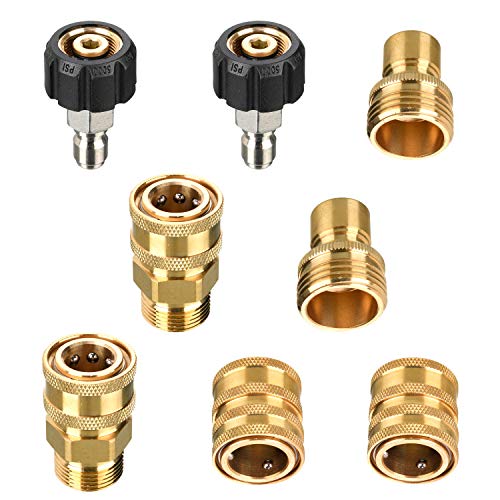 Tool Daily Pressure Washer Adapter Set |
8.3/10 | Buy | |
 DECYOOL 4 Pack Wasp Nest Decoy |
8.3/10 | Buy | |
| Best Value |
 How to Build a Fence: Plan and Build Basic Fences |
8.6/10 | Buy |
 Lviden 7 Pieces Wicker Patio Furniture Set Rattan |
8.1/10 | Buy | |
 Shintenchi 5 Pieces Patio Furniture Sets Outdoor |
8.0/10 | Buy |
Success in patio gardening hinges on understanding the specific environmental conditions of your outdoor area.
- Unlike in-ground gardens, patios and balconies present unique challenges regarding water management, wind exposure, and heat retention.
- Before purchasing plants or soil, you must map out these variables to ensure your selection can thrive in that specific microclimate.
- This initial analysis saves time and money by preventing the purchase of species that cannot survive your local conditions.
| Factor | Key Consideration | Impact on Plant Health |
|---|---|---|
| Sunlight | Hours of direct sun per day | Determines species selection (shade vs. full sun) |
| Drainage | Water flow and pooling areas | Prevents root rot and waterlogging |
| Wind | Exposure to gusts and direction | Affects plant stability and moisture loss |
| Surface | Material type (concrete, wood, composite) | Influences heat retention and structural load |
Assessing Sunlight and Microclimate Zones
Every patio has distinct light zones that change throughout the day and across seasons. You should spend a full day observing where direct sunlight lands, noting the transition from morning east-facing light to afternoon west-facing heat. Full-sun plants require at least six hours of direct exposure, while shade-tolerant species prefer filtered light or dappled sun. Misidentifying these zones is the most common reason for patio plant failure, so accurate observation is critical.
Wind exposure also defines the microclimate, particularly on elevated decks or open balconies. Strong gusts can desiccate soil quickly and damage delicate foliage, requiring the selection of hardier, wind-resistant varieties. You might need to create windbreaks using tall planters or structural elements like screens or fences. Understanding these factors allows you to place sensitive plants in sheltered nooks while positioning robust species in exposed areas.
Heat retention on dark surfaces, such as asphalt or dark composite decking, can create microclimates that are significantly hotter than the ambient air. This extra heat can stress plant roots and accelerate soil drying. Placing light-colored pots or using insulating mats under planters can mitigate this effect. By mapping these thermal zones, you ensure that heat-sensitive plants are not placed on surfaces that amplify solar radiation.
Drainage and Water Management Strategies
Proper drainage is non-negotiable for patio gardening, as standing water leads to root rot and fungal diseases. Ensure every planter has drainage holes and sits on saucers or stands that allow excess water to escape. On concrete patios, consider using self-watering planters or installing a drainage channel if you plan to have a large number of pots. This setup prevents water from pooling around the base of your furniture and plants.
Watering efficiency is crucial, especially in hot climates where evaporation rates are high. Drip irrigation systems can automate this process, delivering water directly to the root zone and reducing waste. These systems are particularly useful for busy homeowners or those who travel frequently. They ensure consistent moisture levels without the risk of overwatering that often accompanies manual hose watering.
Soil composition also plays a major role in drainage and aeration. Standard garden soil is too heavy for container gardening and can compact over time, suffocating roots. A high-quality potting mix with perlite or vermiculite ensures proper aeration and drainage. You can amend store-bought mixes with compost to add nutrients and improve water retention, creating an ideal environment for root growth.
For more on a connected point, our page on how to make a garden on a patio goes into it separately.
Structural Safety and Surface Protection
Heavy planters can exert significant pressure on deck surfaces, potentially causing sagging or damage to the underlying structure. Always check the weight capacity of your deck or balcony before placing large, soil-filled containers. Distribute weight evenly across the surface to avoid concentrating load in one area. Using furniture pads or protective mats under planters can also prevent scratches and moisture damage to the patio surface.
Wind stability is another safety concern, especially for tall or top-heavy planters. In windy locations, ensure planters are heavy enough to resist tipping or anchor them securely to the deck. Lightweight plastic pots may need to be filled with heavier materials like stones or bricks to increase stability. This precaution prevents accidents and protects both your plants and surrounding furniture.
Integration with existing patio furniture requires careful spatial planning. Maintain a minimum clearance of 30 inches for primary walkways to ensure safe and comfortable traffic flow. This spacing allows for easy movement and prevents accidental bumps into planters or furniture legs. Proper layout enhances the usability of your patio while keeping the garden accessible for maintenance.
For more on a connected point, our page on how to spruce up a small patio goes into it separately.
Plant Selection for Patio Environments
Choosing the right plants is essential for a successful patio garden. Select species that match your sunlight, wind, and drainage conditions. Native plants are often a good choice as they are adapted to local climate conditions and require less maintenance. Consider a mix of annuals for color and perennials for long-term structure, ensuring a balanced and resilient garden.
Container size and shape influence plant growth and aesthetics. Larger containers provide more root space and better moisture retention, making them ideal for larger plants. Smaller containers are suitable for herbs and small flowers but require more frequent watering. Match the container size to the plant’s mature size to ensure healthy growth and a balanced visual appearance.
Seasonal planning ensures continuous interest throughout the year. Rotate annuals each season to provide fresh color, while perennials offer consistent structure. Incorporate plants with different bloom times to ensure something is always in flower. This approach creates a dynamic and engaging patio garden that evolves with the seasons.
Maintenance and Seasonal Care
Regular maintenance keeps your patio garden healthy and attractive. Monitor soil moisture levels and adjust watering frequency based on weather conditions. Prune dead or damaged foliage to promote new growth and prevent disease. Fertilize according to the specific needs of your plants, using a balanced fertilizer for general health or specialized formulas for flowering or fruiting plants.
Seasonal adjustments are necessary to protect plants from extreme weather. In winter, move sensitive plants indoors or to a protected area to prevent frost damage. In summer, provide shade during peak heat hours to prevent stress. These proactive measures ensure your plants survive seasonal transitions and remain healthy year-round.
Pest and disease management is an ongoing task in patio gardening. Inspect plants regularly for signs of pests or disease and address issues promptly. Use organic pest control methods when possible to minimize environmental impact. Proper plant spacing and airflow reduce the risk of fungal diseases, contributing to a healthier garden ecosystem.
Enhancing the Patio Experience
Integrating greenery with outdoor living spaces enhances the overall experience. Place plants near seating areas to create a sense of enclosure and privacy. Use hanging planters to add vertical interest without consuming floor space. The combination of comfortable furniture and lush greenery creates a relaxing and inviting outdoor retreat.
Lighting can extend the usability of your patio garden into the evening. Use solar-powered lights or string lights to highlight plants and create a warm ambiance. Ensure lighting is safe and weather-resistant, with proper wiring and protection from moisture. This addition transforms your patio into a versatile space for evening relaxation and entertainment.
Personal touches make the patio garden uniquely yours. Incorporate decorative elements like sculptures, bird feeders, or wind chimes to add character. These features not only enhance the aesthetic appeal but also attract beneficial wildlife. A well-designed patio garden is a reflection of your personal style and a sanctuary for relaxation and connection with nature.
By following these principles, you can create a thriving patio garden that complements your outdoor living space. Focus on understanding your microclimate, managing water effectively, and selecting appropriate plants. With careful planning and consistent maintenance, your patio garden will provide beauty and enjoyment for years to come. This approach ensures a sustainable and resilient outdoor environment that enhances your quality of life.
A closely related question is covered in patio set cost, which may help alongside this section.
About the author
Noah Kaufman is a product-focused editor and writer with experience evaluating household equipment. His published furniture reviews include outdoor sofas, upholstered seating, and standing desks, often drawing on how products perform in everyday home settings.