
Help Me Design a Cost Effective Patio: Answers and Tips
Learn how to design a cost effective patio in November 2026. This guide covers budget-friendly layout strategies, essential furniture specs, and maintenance tips for a durable outdoor space.
 By Nashia Baker
Updated October 24, 2026


Creating a functional outdoor area does not require a massive budget, but it does demand a clear plan that balances comfort with cost. The key to a cost effective patio is prioritizing durable, low-maintenance materials and smart spatial planning over expensive decorative add-ons. By focusing on essential elements like weather-resistant seating and efficient layout, you can build a space that serves its purpose without breaking the bank.
Many homeowners overlook the long-term value of specific material choices, leading to higher replacement costs down the line. Understanding the difference between water-resistant and weatherproof finishes, as well as the importance of proper drainage, helps prevent common issues like mildew and rust. This approach ensures that your initial investment provides years of usable enjoyment, turning a simple backyard corner into a reliable extension of your living space.
| Award | Product | FCH Score About FCH ScoreThe FCH Score is our own rating from 0 to 10, based on performance, design and build, ease of use, and value. It reflects independent research and is never influenced by manufacturers, retailers, or affiliate commissions. Learn more › | |
|---|---|---|---|
|
Black Flag Disposable Fly Trap
|
7.8/10 | Buy | |
| Best Premium |
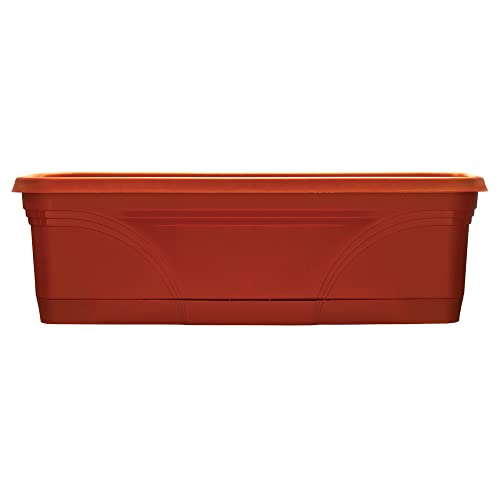 Southern Patio Medallion Hanging Windowsill Box |
8.3/10 | Buy |
| Best Overall |
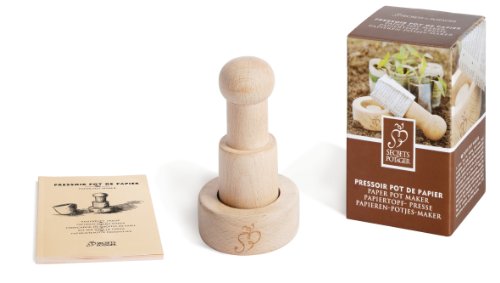 Esschert Design USA W4008 Secrets du Potager Paper |
8.8/10 | Buy |
| Best Budget |
 Beginner's Guide to Successful Container |
8.4/10 | Buy |
A closely related question is covered in cost to build small patio, which may help alongside this section.
Designing a Budget-Friendly Outdoor Space
The foundation of an affordable patio design lies in maximizing the use of existing space while minimizing structural changes. Instead of pouring new concrete or installing complex hardscaping, consider defining the area with durable outdoor rugs or pavers that can be rearranged or removed seasonally. This flexibility allows you to test different configurations without committing to permanent alterations that are difficult to reverse or repair.
Lighting and ambiance are often where budgets blow out, but simple solutions can create a significant impact. String lights or solar-powered path lights offer a warm atmosphere at a fraction of the cost of hardwired electrical fixtures. These options are easy to install, require no professional electrician, and can be stored away during the off-season to extend their lifespan. Focusing on these high-impact, low-cost elements helps maintain a cohesive look without financial strain.
| Design Element | Budget-Friendly Option | Key Benefit |
|---|---|---|
| Surface Definition | Interlocking Pavers or Outdoor Rugs | Easy to install, remove, or rearrange |
| Lighting | Solar Path Lights or String Lights | No wiring required, low maintenance |
| Greenery | Container Plants or Window Boxes | Portable, easy to replace, adds privacy |
| Seating | Aluminum or HDPE Frames | Lightweight, rust-resistant, low upkeep |
Before purchasing any furniture or decor, it is crucial to assess the specific conditions of your outdoor area. Factors such as sun exposure, wind direction, and proximity to water sources directly influence which materials will last the longest. A spot that receives direct afternoon sun may require UV-resistant fabrics, while a windy corner needs heavier frames to prevent displacement. Identifying these variables early prevents the need for costly replacements or protective covers later.
- Measure the available square footage to determine maximum seating capacity
- Identify the primary direction of prevailing winds to plan for stability
- Check for overhead obstructions like trees or eaves that affect sun exposure
- Locate nearby water sources to assess splash zone risks for furniture
Selecting Durable and Affordable Materials
Material selection is the single biggest factor in determining the long-term cost of your patio. Aluminum frames are a popular choice for budget-conscious buyers because they are lightweight, easy to move, and naturally resistant to rust. Unlike steel, which may require regular painting or sealing to prevent corrosion, aluminum holds up well in humid or coastal environments with minimal intervention. This makes it an ideal choice for areas where weather conditions can be unpredictable.
For those who prefer a natural look, high-density polyethylene (HDPE) lumber offers a wood-like appearance without the maintenance burden. This material is made from recycled plastics, making it an eco-friendly option that resists rot, insect damage, and fading. It does not require staining or sealing, which saves time and money on annual upkeep. While it may have a higher upfront cost than some softwoods, the elimination of maintenance products often results in lower total ownership costs over several years.
Optimizing Layout for Comfort and Flow
Efficient spatial planning ensures that your patio feels spacious and functional, even in smaller areas. A common mistake is overcrowding the space with too much furniture, which restricts movement and makes the area feel cramped. Leaving at least 30 inches of clearance between seating groups and walkways allows for comfortable passage and easy access to food or drink stations. This breathing room is essential for maintaining a relaxed atmosphere during gatherings or daily use.
Consider the primary function of the space when arranging furniture. If the patio is intended for dining, ensure there is enough room for chairs to be pulled out without hitting walls or other objects. For conversation areas, arrange seating in a semi-circle or U-shape to encourage interaction and create a cozy focal point. Modular furniture can be particularly useful here, as it allows you to reconfigure the layout based on the number of guests or the specific activity planned for the day.
- Keep walkways clear to ensure safe and easy movement around the space
- Group seating to create distinct zones for dining and relaxing
- Use rugs or pavers to visually define areas without physical barriers
- Place taller items like planters at the edges to frame the space
A closely related question is covered in patio set cost, which may help alongside this section.
Managing Weather and Maintenance Costs
Protecting your investment from the elements is critical for keeping long-term costs low. Water retention is a major cause of furniture degradation, so choosing cushions with quick-dry foam cores and breathable covers can prevent mildew growth. Reticulated foam is designed to allow water to pass through and drain quickly, reducing the risk of mold and odor. This feature is especially important in regions with high humidity or frequent rain, where damp conditions can persist for days.
Regular, simple maintenance can extend the life of your patio furniture significantly. Wiping down surfaces after spills, brushing off debris, and storing cushions in a dry place during the off-season are low-effort tasks that yield high returns. Avoid using harsh chemicals or high-pressure washers on delicate fabrics or natural wood, as these can damage the material and void warranties. Following the manufacturer’s care instructions ensures that your furniture remains in good condition for many seasons.
Incorporating Greenery on a Budget
Plants add life, color, and privacy to a patio without requiring a large financial outlay. Container gardening is an excellent way to introduce greenery, as it allows you to choose specific plants that suit your climate and aesthetic preferences. Window boxes and hanging planters are space-saving options that can be mounted on railings or walls, maximizing vertical space. These containers are often lightweight and easy to move, allowing you to adjust their placement based on sun exposure or seasonal changes.
Choosing the right plants is key to minimizing maintenance and replacement costs. Opt for species that are native to your region or known for their hardiness, as they will require less water and care. Succulents, herbs, and ornamental grasses are low-maintenance choices that thrive in various conditions. Grouping plants with similar water and light needs together makes watering and care more efficient. This approach not only saves time but also promotes healthier plant growth and a more cohesive look.
Ultimately, a cost-effective patio design is about making smart choices that prioritize durability and functionality. By selecting weather-resistant materials, planning your layout carefully, and incorporating low-maintenance greenery, you can create a space that serves your needs for years. Focus on quality over quantity, and invest in items that will withstand the elements with minimal care. This strategy ensures that your outdoor space remains a welcoming and enjoyable part of your home without draining your budget.
If you are looking for more ideas on how to maximize small outdoor spaces, our guide on styling compact areas offers additional tips for creating a cohesive look. These principles can be applied to patios as well, helping you make the most of every square foot.
If this topic is part of a bigger decision, cost effective patio options is a useful related read.
About the author
Nashia Baker is a home and lifestyle journalist who covers furniture, décor, and everyday living. Her work includes hands-on seating reviews and product comparisons, with particular attention to comfort, materials, and how furniture fits into real homes.