
What Is the Difference Between Full and Queen Size Bed Explained
Learn what is the difference between full and queen size bed in dimensions, bedroom space, and frame support with our November 2026 guide to pick your ideal bed setup.
 By Monique Valeris
Updated October 24, 2026


Mattress dimensions and bedroom floor layouts determine sleep quality and daily room functionality. Many shoppers evaluating bedroom furniture wonder what is the difference between full and queen size bed dimensions when upgrading a master suite or furnishing a guest room. A standard full bed measures 54 inches wide by 75 inches long, while a queen bed expands to 60 inches wide by 80 inches long. That extra five inches of length and six inches of width fundamentally change how a mattress supports adult sleepers and how bed frames handle structural weight loads.
Frame integrity, center support rail stability, and slat spacing become critical considerations as mattress dimensions increase. Queen mattresses create higher physical leverage on bed frame side rails, typically requiring dedicated center support legs to protect foundation warranties. Full beds offer a more compact footprint that preserves valuable floor space in bedrooms under 120 square feet. Understanding how these dimensional differences influence mattress foundations, sheet tucking, and perimeter room clearance ensures you invest in the right furniture for your living space.
| Award | Product | FCH Score About FCH ScoreThe FCH Score is our own rating from 0 to 10, based on performance, design and build, ease of use, and value. It reflects independent research and is never influenced by manufacturers, retailers, or affiliate commissions. Learn more › | |
|---|---|---|---|
| Best Overall |
YrHeiper Bed Rail for Elderly Adults
|
8.8/10 | Buy |
| Best Budget |
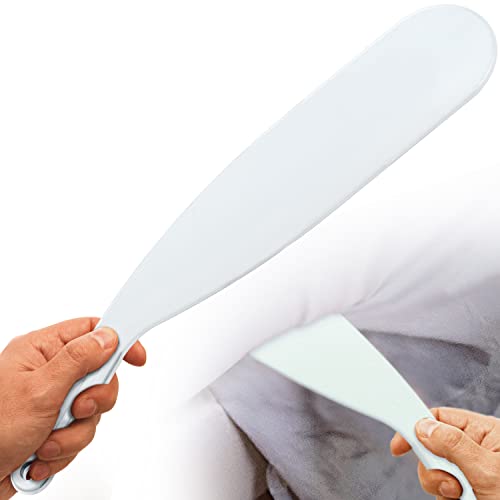 Berkland 14.5-Inch Sheet Tucker Tool and Mattress |
8.6/10 | Buy |
| Best Premium |
 Pinmoco Queen Size Upholstered Headboard Only |
8.3/10 | Buy |
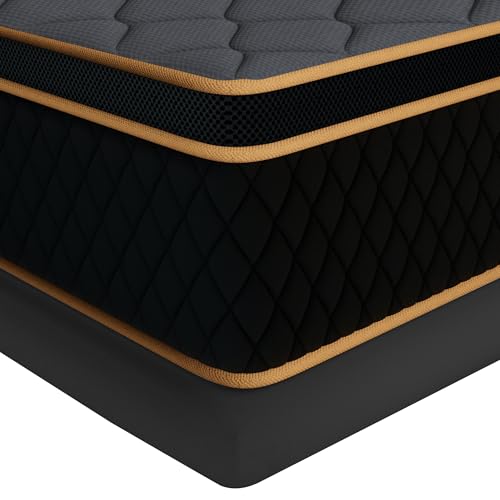 Pixafog 14-Inch Queen Hybrid Mattress |
8.1/10 | Buy | |
| Best Value |
 Yarfyk Folding Bunkie Board and Under Mattress |
8.0/10 | Buy |
YrHeiper Bed Rail for Elderly Adults
The YrHeiper Bed Assist Rail provides reliable leverage and bedside fall prevention, featuring a 350-pound rated steel frame with stabilizing floor support legs. Designed to slide under mattresses between 7.9 and 13 inches on platform beds or standard frames, it installs tool-free using heavy-duty safety straps.
Pros
- Certified to ASTM F3186-17 standards with a manufacturer-stated 350-pound static weight capacity
- Stabilizing floor support legs distribute user weight to the floor rather than relying solely on the mattress edge
- Tool-free setup secures firmly between mattress and base using included heavy-duty tie-down straps
- Compatible with standard Twin, Full, Queen, and King beds on platform or box spring foundations
- Comfortable non-slip foam hand grip and integrated mesh storage organizer pocket
Cons
- Incompatible with drop-in recessed bed frames where the mattress sits inside a raised perimeter lip
- Cannot be installed on motorized articulating adjustable power bases
- Restricted to mattresses between 7.9 and 13 inches thick, excluding ultra-thin pads and extra-deep pillow tops
Berkland 14.5-Inch Sheet Tucker Tool and Mattress
The Berkland 14.5-Inch Sheet Tucker Tool is a bedroom foundation accessory crafted from reinforced, smooth plastic designed to slide effortlessly between mattresses and bed frames. It eliminates heavy mattress lifting across Twin, Full, Queen, King, and Cal King setups, making it ideal for anyone managing deep mattresses on platform decks or box springs.
Pros
- Generous 14.5-inch reach inserts deeper under thick mattresses than standard 12-inch tools
- Wedge tip and blade combination lifts and tucks simultaneously to minimize back and wrist strain
- Compatible across all standard mattress dimensions from Twin to California King
- Smooth molded plastic construction glides cleanly without catching on linens or bed skirts
Cons
- Molded plastic blade may experience slight flex when wedged against exceptionally heavy mattresses on rigid solid-lip frames
- Requires proper angle and hand coordination when navigating tight corners against attached headboards or footboards
Pinmoco Queen Size Upholstered Headboard Only
The Pinmoco Queen Size Headboard is a standalone upholstered backrest engineered for tool-free, damage-free installation using slip-in metal mattress brackets. Featuring a 4.7-inch curved ergonomic foam profile and a machine-washable zip-off cover, it is an ideal bedroom upgrade for renters, dorm students, and anyone with a bare metal bed frame.
Pros
- No-drill mattress bracket installation protects walls from holes, anchors, and scuff marks
- Ergonomic 4.7-inch curved foam core provides supportive back and lumbar cushioning for sitting in bed
- Machine-washable zip-off cover makes maintenance simple for homes with pets or spills
- Accommodates standard mattress thicknesses between 8 and 14 inches without rail modifications
Cons
- Requires up to 72 hours after unboxing for the compressed foam core to fully decompress and reach its intended shape
- Relies on mattress weight and friction against the foundation, which may allow slight movement if used with very lightweight mattresses
- Designed exclusively for headboard-free frames and does not bolt directly into traditional pre-drilled metal bolt slots
Pixafog 14-Inch Queen Hybrid Mattress
The Pixafog 14-inch Queen hybrid mattress pairs gel memory foam with individually encased pocket coils to provide medium-firm support and motion isolation directly on platform beds or foundations. It eliminates the necessity of a traditional box spring and suits master bedrooms or guest rooms seeking a tall, supportive sleep surface.
Pros
- Generous 14-inch profile delivers deep support and creates an elevated sitting height on low-profile platform frames
- Individually wrapped pocket coils provide motion isolation and silent weight distribution across the frame deck
- CertiPUR-US certified foams provide reassurance regarding material safety and chemical emissions standards
- Eliminates the mandatory need for a box spring when installed directly on a rigid slatted platform bed
- Rolled box delivery allows for straightforward handling up tight apartment staircases and around corners
Cons
- Generous 14-inch thickness may partially obscure low-profile decorative headboards on certain platform beds
- Requires a full 48 to 72 hours of undisturbed expansion time before reaching its complete structural loft
- Substantial hybrid core weight makes single-person positioning and rotation onto a bed foundation challenging
Yarfyk Folding Bunkie Board and Under Mattress
The Yarfyk folding bunkie board provides a slim, 11-pound wooden support layer that helps reinforce sagging mattresses on daybeds, bunk beds, and sleeper sofas without the bulk of a traditional box spring. It is a practical, low-profile choice for renters and parents seeking instant central foundation reinforcement.
Pros
- Ultra-thin 0.18-inch profile adds support without raising mattress height or compromising bunk guardrails
- Folds down to 53 x 14.8 inches for compact seasonal storage or quick transport
- Weighs only 11 pounds, making it easy to reposition across different beds
- Ideal auxiliary support for pull-out sleeper sofas, daybeds, and slatted youth frames
Cons
- Intended to sit in the center with side margins rather than providing full edge-to-edge coverage
- Requires existing slats or a solid base underneath and cannot function as an independent bed frame
- Manufacturer does not specify an exact static load capacity rating
A closely related question is covered in which is bigger double or full size bed, which may help alongside this section.
Full vs Queen Size Beds: Dimensions, Frame Mechanics, and Room Fit
Comparing full and queen mattresses requires examining dimensions, foundation engineering, and bedroom layout dynamics. A standard full mattress measures 54 inches wide by 75 inches long, providing 4,050 square inches of total surface area. In contrast, a queen mattress measures 60 inches wide by 80 inches long, delivering 4,800 square inches of sleep space. This 750 square inch increase alters joint leverage across bed frames, shifts slat support demands, and changes walking pathways around bedroom furniture.
Selecting between these two standard mattress profiles involves balancing personal sleep comfort against room dimensions. While the difference appears subtle on paper, the extra six inches of width and five inches of length redefine sleeping ergonomics for adults. Bed frame mechanics also shift substantially between these sizes, particularly regarding center support beams and load-bearing legs. Examining how each format interacts with furniture construction helps prevent mattress sagging and optimizes room functionality.
Dimensional Breakdown and Sleeping Surface Area
Standard full beds, historically known as double beds, offer 54 inches of horizontal width paired with a 75-inch longitudinal profile. This surface area works well for single adults who want room to spread out without dominating the entire room. When two adults share a full bed, each person receives only 27 inches of personal width, which equals the exact width of a standard crib mattress. Taller sleepers often encounter length restrictions on a full mattress, as anyone over five feet nine inches may find their feet reaching the edge.
Queen beds address these space limitations by expanding to 60 inches in width and 80 inches in length. This layout provides 30 inches of width per sleeper for couples, offering crucial buffer space for natural sleep movements and repositioning. The 80-inch longitudinal deck matches the length of standard king mattresses, ensuring taller individuals rest without their feet hanging over the footboard. The resulting 4,800 square inches of sleeping surface provides noticeable personal space improvements over the full bed configuration.
Sleeper Ergonomics: Solo Rest Versus Couple Dynamics
Individual sleeping preferences and body types play a significant role in determining whether a full or queen bed is appropriate. Solo sleepers generally find that a full mattress provides generous lateral room for side sleeping, tossing, and turning. Combination sleepers who rotate positions throughout the night can move freely across 54 inches of width without feeling confined. However, tall solo sleepers frequently experience better spinal alignment on a queen bed because the 80-inch length accommodates full body extension and pillow placement.
Couples sharing a bed almost always benefit from the extra dimensions of a queen frame. The additional six inches of horizontal space significantly reduces motion transfer between partners during nocturnal position changes. Mattresses like the Pixafog 14 inch Queen Size Mattress in a Box utilize individually encased pocket coils paired with gel-infused memory foam to isolate motion, but physical elbow room remains essential. Sharing a full bed often forces partners closer together, which can increase body heat retention and disturb light sleepers throughout the night.
Bed Frame Architecture and Center Support Requirements
Structural support mechanics differ considerably between full and queen bed frames due to load distribution principles. Full bed frames span 54 inches across the deck, which creates moderate flex potential along the wooden or metal crossbars. Many traditional full frames function with perimeter side rails and sturdy cross slats, though heavier hybrid mattresses still benefit from central bracing. The narrower span reduces lateral deflection, making full frames somewhat more forgiving when paired with basic slatted foundations.
Queen bed frames require more robust center support architecture to handle the 60-inch horizontal deck span. Mattress manufacturers typically mandate a rigid center support beam equipped with at least one to three floor-contact leveling legs for queen foundations. Without this longitudinal center beam, standard queen slats will sag under the combined weight of a heavy mattress and two sleepers. This center support rail distributes downward force directly into the subfloor, preventing the side rails from bowing inward and preserving the mattress core.
For more on a connected point, our page on what is the difference between a double and full bed goes into it separately.
Foundation Mechanics: Slats, Bunkie Boards, and Mattress Sagging
Mattress warranties across both sizes enforce strict guidelines regarding foundation support and maximum slat spacing. Slats spaced more than three inches apart allow pocket coils and high-density foam layers to sink between gaps, causing permanent core indentations. While queen frames rely on center legs to prevent slat deflection, full frames with wide slat gaps also risk structural sagging over time. Utilizing a solid or low-profile under-mattress support helps distribute physical pressure evenly across the entire foundation deck.
Low-profile solutions such as the Yarfyk Folding Box Spring provide crucial reinforcement for slatted full bed setups measuring 74 inches long by 53 inches wide. This bunkie board design lays flat under the mattress, bridging open slat gaps without adding the vertical bulk of a traditional box spring. Distributing load evenly across slatted frames prevents central dips that lead to morning back stiffness. Maintaining a flat, rigid foundation surface preserves the internal coil integrity and comfort layers of modern hybrid mattresses.
Bedroom Footprint and Perimeter Walkway Clearance
Bedroom layout and spatial ergonomics dictate how comfortably each bed size integrates into a living space. Interior design standards recommend maintaining at least 24 to 30 inches of clear walkway space around the perimeter of the bed. A standard full bed fits comfortably in secondary bedrooms measuring 10 feet by 10 feet, leaving ample room for bedside tables, dressers, and closet doors. In contrast, placing a queen bed in a 100-square-foot room often restricts traffic flow and causes bedside furniture to feel cramped.
Primary master bedrooms measuring 10 feet by 11 feet or larger easily accommodate the 60-by-80-inch footprint of a queen frame. The additional floor space allows homeowners to position nightstands without blocking sliding wardrobe doors or radiator vents. For apartments and compact urban guest rooms, a full frame preserves usable square footage for home office desks or reading chairs. Measuring room dimensions, doorway swing arcs, and dresser drawer extensions before purchasing prevents frustrating furniture clearance conflicts.
If this topic is part of a bigger decision, what is the difference between double and full bed is a useful related read.
Bedding Logistics, Mattress Profiles, and Assist Accessories
Bedding interchangeability between full and queen sizes is a common misconception among shoppers. Full sheets will not fit a queen mattress because the fitted pockets lack the necessary length and width to wrap around the corners. Queen fitted sheets placed on a full mattress bunch up excessively, creating uncomfortable fabric wrinkles across the sleep deck. Bedding tools like the Berkland Sheet Tucker Tool help slide flat and fitted sheets securely under heavy mattresses up to 16 inches thick, ensuring tidy hospital corners regardless of bed size.
Mattress height and accessory integration also vary based on sleeper needs and frame styles. Queen beds often support deep hybrid profiles, such as the 14-inch thick Pixafog mattress, which elevates the resting surface and requires appropriately scaled headboards. Adding a mattress-mounted unit like the Pinmoco 4.7” Headboard Only for Queen Size Bed creates an ergonomic, padded backrest without requiring wall drilling. For sleepers needing physical mobility support, universal bed rails like the YrHeiper Bed Rails for Elderly Adults Safety slide securely beneath full or queen mattresses, providing ASTM-tested stability during bed entry and exit.
Delivery Logistics, Frame Assembly, and Long-Term Durability
Moving and assembling bedroom furniture reveals distinct logistical differences between full and queen components. Full mattress frames and foundations are lighter, shorter, and significantly easier to navigate through narrow stairwells, low ceiling corners, and compact elevator doors. Flat-pack full platform frames feature shorter side rails that fit into standard vehicle trunks, simplifying transportation during relocations. Renters and students who move frequently often prioritize full frames for their manageable weight and straightforward assembly process.
Queen frames involve longer 80-inch side rails and heavier center support hardware that demand careful handling during moves. Disassembling a queen platform frame requires removing the center support beam, disconnecting leveling legs, and unbolting structural corner brackets. Periodic maintenance is essential on queen frames, as seasonal floor shifts can cause center support glides to lose contact with the flooring. Tightening machine bolts annually and verifying that center legs sit perpendicular to the floor prevents joint creaking and structural frame wobble.
Making the Final Decision Between Full and Queen Formats
Choosing between a full and queen bed ultimately depends on your sleeping arrangements, body height, and available floor space. Solo sleepers under five feet ten inches living in smaller bedrooms will find that a full bed provides an ideal balance of comfort and room efficiency. The compact footprint allows for versatile bedroom layouts while reducing overall costs for mattresses, frames, and sheet sets. Furthermore, guest rooms furnished with full beds offer welcoming accommodations for visiting family members without overwhelming multi-purpose living areas.
Couples, taller solo sleepers, and primary master suite owners will almost certainly appreciate the superior dimensions of a queen bed. The extra length prevents feet from hanging off the mattress edge, while the added width preserves personal sleeping space throughout the night. Investing in a queen bed also ensures access to the widest variety of modern mattress models, headboard designs, and bedding accessories available today. By carefully assessing your room measurements and sleep priorities, you can select the foundation and mattress size that best supports long-term comfort.
A closely related question is covered in whats the size difference between a queen and king bed, which may help alongside this section.
About the author
Monique Valeris is a home editor with extensive experience covering interior design, decorating ideas, and practical household finds. Her work explores accessible furniture, storage solutions, and ways to make living spaces feel personal without overlooking budget.