
What Are Measurements of a Full Size Bed? Dimensions and Frame Guide (2026)
Learn what are measurements of a full size bed in October 2026. Explore standard mattress dimensions, frame clearances, and smart bedroom layout tips.
 By Noah Kaufman
Updated October 13, 2026
By Noah Kaufman
Updated October 13, 2026

Planning a bedroom layout requires clear clearance calculations and accurate mattress dimensions to avoid crowded walkways and ill-fitting furniture. Many shoppers upgrading from a single sleeper or furnishing a guest room find themselves asking what are measurements of a full size bed before purchasing a foundation or bedding. A standard full mattress provides a dedicated sleep surface designed for individuals seeking extra sprawling room or compact guest setups, but knowing the precise footprint helps you determine whether side tables, storage bins, and dresser drawers will function properly in your floor plan. Carefully measuring your room boundaries guarantees that you can select furniture with confidence.
Understanding these dimensions is equally vital when evaluating modern platform frames, headboards, and sheet sets. Exterior bed frame dimensions often exceed bare mattress proportions due to perimeter lips, decorative metal scrollwork, or thick upholstered headboards. Factoring in under-bed vertical clearance, slat support mechanics, and room walkways ensures that your chosen sleeping setup remains supportive, quiet, and visually balanced without overwhelming available square footage. Taking the time to evaluate these physical specifications prevents costly furniture returns and layout headaches down the road.
| Award | Product | FCH Score About FCH ScoreThe FCH Score is our own rating from 0 to 10, based on performance, design and build, ease of use, and value. It reflects independent research and is never influenced by manufacturers, retailers, or affiliate commissions. Learn more › | |
|---|---|---|---|
| Best Overall |
Allewie Full Size Bed Frame
|
9.2/10 | Buy |
| Best Premium |
 Inadpor Full Size Platform Bed Frame with Velvet
|
8.9/10 | Buy |
| Best Budget |
 ZPECC Full Flat Sheets Only White 4 Pack
|
8.8/10 | Buy |
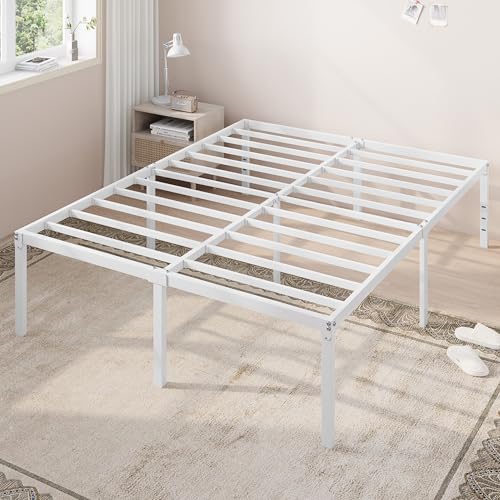 Allewie Full Size Bed Frame
|
8.8/10 | Buy | |
 Yaheetech Full Metal Platform Bed Frame
|
8.0/10 | Buy |
Understanding Full Size Bed Dimensions, Frame Tolerances, and Room Planning
A standard full size mattress measures exactly 54 inches wide by 75 inches long in standard United States furniture sizing. This profile provides 4,050 square inches of surface area, creating a versatile option between single mattresses and larger queen foundations. While the mattress core maintains these proportions across brands, your actual bedroom footprint depends on the assembled frame style, headboard depth, and deck height. Analyzing these exact dimensions helps you confirm that a full mattress accommodates your sleeping posture while leaving sufficient perimeter space for other furniture.
Standard Full Size Mattress Dimensions and Core Sizing Specs
In standard imperial measurements, a full mattress measures 54 inches wide and 75 inches long, which equals roughly 137 centimeters wide by 191 centimeters long. It is frequently called a double bed, a term dating back to when smaller bedrooms made compact shared sleeping spaces common. For an individual sleeper, a full mattress provides 54 inches of dedicated width, offering ample room to shift positions comfortably. When shared between two adults, however, each sleeper receives only 27 inches of horizontal space, which matches the width of a standard baby crib mattress.
Vertical thickness on a full mattress is not strictly standardized, typically ranging from 8 inches to 14 inches based on internal materials. Low-profile memory foam designs often sit around 8 to 10 inches deep, while hybrid builds with pocketed coils and plush pillow tops regularly reach 12 to 14 inches. Knowing your mattress depth is critical when pairing it with a specific platform bed frame or headboard. A thick mattress on a high platform frame can make sitting down awkward, while a thin mattress on an open headboard might expose structural mounting brackets or wall gaps.
Mattress Dimensions Versus Assembled Bed Frame Footprints
While standard mattresses remain 54 by 75 inches, assembled bed frames invariably occupy a larger footprint across your bedroom floor. Minimalist steel platform frames often stay close to mattress dimensions, adding only a fraction of an inch around the perimeter. Simple metal platforms like the Allewie metal bed frame preserve compact room footprints by aligning structural rails directly under mattress edges. These slim profiles work exceptionally well in compact apartments where walkway clearance directly impacts room utility.
Decorative and upholstered frames significantly expand total width and length beyond the base mattress measurements. Upholstered beds featuring wingback details or padded headboards, such as the Inadpor platform bed frame with velvet upholstery, require several additional inches of bedroom depth to accommodate thick padding and side wings. Vintage metal frames like the Yaheetech full platform bed feature curved iron headboards and footboards that add structural length. When calculating your room layout, you must always measure the exterior boundaries of the frame rather than relying solely on the interior mattress pocket.
Perimeter retention lips also influence usable dimensions and everyday ergonomics. Some platform beds feature a recessed mattress deck with a shallow lip that drops the mattress down by one or two inches to prevent sliding. Other frames offer a flush deck design where the mattress sits directly on top of horizontal slats. A flush frame makes tucking in fitted sheets substantially easier, but it requires reliable slat grip surfaces or a snug boundary to prevent the mattress from drifting during active movement.
Vertical Clearance and Under-Bed Storage Dimensions
Vertical height plays an essential role in bedroom storage efficiency and daily physical comfort. Platform frames vary widely in deck elevation, ranging from low contemporary frames sitting 6 inches off the carpet to high-rise utility foundations elevated 18 inches. The Allewie 18-inch full bed frame provides an impressive 16.6 inches of open clearance underneath its metal support rails. This vertical gap allows sleepers to slide storage bins, extra bedding totes, or seasonal luggage out of sight, transforming under-bed space into valuable storage.
Lower platform profiles prioritize clean modern aesthetics and automated cleaning access over container storage. The Inadpor upholstered frame provides approximately 7 inches of ground clearance beneath its side rails. While a 7-inch gap will not fit oversized storage bins, it allows robotic vacuum cleaners to navigate beneath the bed smoothly. Maintaining open clearance beneath your bed foundation also encourages healthy airflow, preventing heat retention and dust buildup around your mattress core.
Total sitting height is determined by combining frame deck elevation with mattress thickness. Ergonomic standards suggest an overall sitting height between 18 inches and 24 inches from the floor to the top of the uncompressed mattress. This height range allows an average adult to sit comfortably on the edge of the mattress with both feet resting flat on the floor. Pairing a high 18-inch metal platform with a thick 14-inch hybrid mattress creates an overall deck height of 32 inches, which can feel uncomfortably tall for shorter individuals or those with joint mobility challenges.
Bedding Proportions and Sheet Sizing
Selecting the correct bedding dimensions ensures your full bed remains comfortable, clean, and neatly arranged. Standard full size flat sheets typically measure approximately 81 inches in width by 96 inches in length, providing adequate fabric drape over the sides and foot of the bed. Multi-packs such as the ZPECC full flat sheets provide dedicated coverage tailored to standard full dimensions, using color-coded hem threads to help users distinguish full size linens from twin or queen sheets during laundry routines. Proper drape length prevents top sheets from pulling loose when you toss and turn throughout the night.
Fitted sheet measurements must match the exact 54 by 75-inch dimensions of the mattress surface while accommodating vertical depth. Most modern fitted sheets feature pocket depths between 12 and 16 inches, secured by elastic perimeters that wrap beneath the lower corners of the mattress. If your mattress measures only 8 or 9 inches in depth, deep-pocket sheets may bunch loosely across the surface, requiring sheet straps to maintain a smooth surface. Conversely, using shallow sheets on a 14-inch luxury pillow top will cause corners to pop loose under normal sleeping pressure.
Comforters and duvets designed for full beds often share sizing classifications with queen mattresses, commonly labeled as full/queen hybrids measuring roughly 86 to 88 inches wide by 90 to 92 inches long. On a 54-inch full mattress, this generous width creates an elegant overhang of roughly 16 to 17 inches on each side, easily concealing the mattress edge and foundation rails. If you prefer a tailored modern look without excess fabric pooling on the floor, dedicated full size blankets offer a tighter drape that complements slim platform foundations without dragging on carpeting.
Dimensional Differences: Full Versus Twin, Twin XL, and Queen
Evaluating standard furniture dimensions across popular mattress categories highlights the distinct spatial trade-offs of a full size bed. A standard twin mattress measures 38 inches wide by 75 inches long, making a full bed exactly 16 inches wider while keeping the identical 75-inch length. That additional width provides significant comfort for single sleepers who find a twin too restrictive. However, tall individuals who struggle with foot overhang on a twin mattress will experience the exact same length constraint on a standard full bed.
For tall teens, college students, and single adults over six feet tall, a twin XL mattress offers 38 inches of width and an extended 80-inch length. While the twin XL provides five additional inches of legroom, it remains narrow horizontally. A full size bed trades those five inches of length for 16 extra inches of side-to-side sprawling space. Sleepers who need both extra length and wide sleeping area must look to the queen size mattress, which measures 60 inches wide by 80 inches long.
Comparing full and queen dimensions demonstrates why room planning and sleeper count are decisive factors. A queen mattress adds six inches of width and five inches of length compared to a full bed, increasing total surface area from 4,050 square inches to 4,800 square inches. For couples sleeping together every night, those extra inches represent the difference between cramped quarters and restful personal space. In tight guest rooms or studio apartments, however, the compact 54 by 75-inch footprint of a full bed often preserves crucial floor space that a queen would overwhelm.
Bedroom Layout Planning and Walkway Clearances
Proper room planning requires balancing the assembled bed frame footprint against surrounding circulation paths and essential furniture pieces. Interior designers generally recommend a minimum bedroom size of 10 feet by 10 feet, or 100 square feet, to comfortably accommodate a full size bed setup. Placing a full bed in a room smaller than 9 feet by 10 feet can quickly cause the space to feel cramped, especially once you introduce nightstands, a wardrobe, and an entry door swing path.
Walkway clearances around the perimeter of the bed should measure at least 30 inches, with 36 inches considered the ideal ergonomic standard for unrestricted movement. This clearance ensures that you can walk comfortably around the foot and sides of the bed without turning sideways or bumping your shins on frame corners. You must also calculate the outward reach of furniture drawers and closet doors. A standard bedside nightstand drawer needs roughly 14 to 18 inches of extension space, while dresser drawers frequently require 20 to 24 inches of clear forward floor area.
Arranging a full bed against a wall is a practical strategy for narrow secondary bedrooms or children’s study spaces. Pushing one long side of the frame against a wall frees up valuable central floor area for desks or play areas, though it makes changing fitted sheets slightly more cumbersome. When positioning a frame near windows or heating units, leave several inches of buffer space to preserve curtain drape and prevent heat damage to wooden components or mattress fabrics. Proper planning ensures that the bed functions smoothly within the architectural reality of your room.
Structural Frame Mechanics and Platform Foundation Requirements
A full size bed frame requires robust internal structural engineering to support the combined weight of the mattress and sleepers without sagging. Unlike smaller twin frames that span short distances without bending, a 54-inch span requires reinforced support crossbars or a sturdy slat matrix. Platform beds like the Inadpor upholstered frame incorporate 10 solid wood slats reinforced by central support legs and longitudinal metal rods. This direct support system evenly disperses downward pressure across the perimeter rails, allowing the mattress to rest directly on the deck without requiring a box spring.
Metal platform frames often utilize steel cross slats spaced closely together to ensure high structural rigidity. The Yaheetech vintage metal platform bed features 12 integrated metal slats anchored between outer side rails, creating a firm foundation for innerspring and hybrid mattresses. Steel slats resist atmospheric humidity and temperature swings that can cause natural wooden slats to warp or crack over time. To minimize acoustic squeaking and friction noise when sleepers shift weight, quality frames incorporate protective plastic clips, rubber gaskets, or EVA dampening tape along metal-to-metal contact points.
Center support rails and adjustable leveling glides are essential components on any dependable full size bed foundation. A full frame spans 54 inches across its middle deck, creating a natural leverage point where downward force concentrates. Dual center legs running down the longitudinal midpoint prevent the center beam from bowing toward the floor under sustained load. When setting up your platform frame on uneven flooring or thick carpeting, adjusting the threaded leveling glides ensures that every foot maintains solid ground contact, eliminating lateral frame sway and preserving joint tightness for years of quiet sleep.
About the author
Noah Kaufman is a product-focused editor and writer with experience evaluating household equipment. His published furniture reviews include outdoor sofas, upholstered seating, and standing desks, often drawing on how products perform in everyday home settings.