
What Is Width of Full Bed? Dimensions and Frame Guide for 2026
Learn What Is Width Of Full Bed along with standard bed frame dimensions, clearance needs, and foundation support tips in October 2026.
 By Kate McGregor
Updated October 9, 2026
By Kate McGregor
Updated October 9, 2026
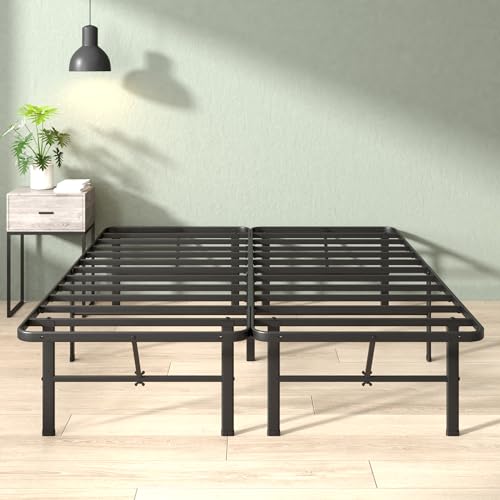
Planning a bedroom layout requires balancing floor space with a restful sleeping area. When evaluating mattress dimensions and bed frames, understanding What Is Width Of Full Bed helps determine whether a room can comfortably accommodate standard nightstands, walking paths, and storage furniture. A standard US full mattress measures 54 inches in width by 75 inches in length, but the exterior footprint of the bed frame often adds several inches depending on perimeter padding, headboards, and side rails.
Selecting the right platform frame ensures proper weight distribution without demanding unnecessary floor space. Modern metal foundations like the Zinus 14 Inch Rumi Metal Bed Frame align closely with standard 54-inch dimensions, eliminating bulky box springs while providing generous under-bed clearance. Evaluating mattress support mechanics, slat spacing, and frame clearance allows homeowners and apartment dwellers to maximize functional bedroom living without compromising mattress longevity.
| Award | Product | FCH Score About FCH ScoreThe FCH Score is our own rating from 0 to 10, based on performance, design and build, ease of use, and value. It reflects independent research and is never influenced by manufacturers, retailers, or affiliate commissions. Learn more › | |
|---|---|---|---|
| Best Overall |
Zinus 14 Inch Rumi Metal Bed Frame
|
8.6/10 | Buy |
Understanding Full Bed Dimensions, Frame Tolerances, and Foundation Support
A standard full mattress, commonly referred to as a double bed, measures exactly 54 inches wide and 75 inches long. This width provides a balanced sleeping surface for single adults, teenagers, and guest rooms where square footage is limited. While the mattress core maintains standardized dimensions across North America, the exterior dimensions of a full bed frame vary considerably based on design, materials, and construction style.
Exact Width Specifications of Full Size Mattresses and Bed Frames
The mattress industry follows standardized measurements, establishing 54 inches as the universal baseline for a full mattress. Platform bed frames built with minimalist steel profiles, such as the Zinus 14 Inch Rumi Metal Bed Frame, typically adhere closely to this 54-inch width to maintain a compact footprint. These streamlined frames create an exterior profile that is flush with the mattress edge, making them ideal for small bedrooms or tight alcoves.
Upholstered bed frames, solid wood designs, and platform beds with decorative side rails introduce additional width beyond the 54-inch mattress perimeter. Padded side rails wrapped in dense foam and woven fabric can expand the total frame width to 56 or even 58 inches. Solid hardwood frames featuring wide decorative ledges or structural outer rails also expand the footprint, requiring extra consideration during bedroom planning.
Measuring the total available floor space before selecting a bed frame prevents spatial conflicts with baseboards, heating vents, and doors. Buyers should differentiate between mattress width and exterior frame width when evaluating bedroom floor plans. Verifying both internal pocket measurements and overall frame exterior dimensions ensures an accurate fit within tight living spaces.
Comparing Full Bed Width to Twin, Twin XL, and Queen Dimensions
Evaluating mattress dimensions side by side helps clarify whether a full bed is the right choice for a specific living environment. A standard twin mattress measures 38 inches wide, while a twin XL offers the same 38-inch width with an extended length of 80 inches. Stepping up to a full mattress adds 16 inches of lateral sleeping width, creating substantial room for single sleepers who find single-size beds restrictive.
The jump from a full mattress to a queen mattress introduces an additional 6 inches of width, expanding from 54 inches to 60 inches wide. Queen mattresses also extend 5 inches longer, measuring 80 inches in length compared to the 75-inch full profile. This additional length makes queen beds popular for taller adults, while full beds remain the preferred choice for space-conscious urban apartments.
Couples sharing a full bed each receive only 27 inches of personal horizontal space, which is narrower than an individual twin bed. For solo sleepers, however, 54 inches of width provides ample space to change positions comfortably throughout the night. Understanding these dimensional boundaries helps buyers balance sleeping comfort with available bedroom square footage.
Mattress Pocket Depth and Perimeter Lip Engineering
Bed frames handle mattress retention through two primary design philosophies: flush deck platforms and recessed perimeter lips. Flush platforms position slats level with the outer frame rails, allowing the mattress edges to sit directly flush with the metal or wood perimeter. This design makes tucking in bed sheets effortless and maintains the slimmest possible exterior frame footprint.
Recessed pocket frames incorporate an outer lip that extends one to two inches above the slat foundation. This raised border cradles the mattress core, preventing unwanted lateral slippage during sleep or bed entry. However, deep pockets add slight width to the frame exterior and can make rotating heavy mattresses or changing fitted sheets more demanding.
Minimalist steel platform frames often utilize friction strips, non-slip tape, or flush outer edges to keep mattresses stable. The Zinus 14 Inch Rumi Metal Bed Frame utilizes a direct steel deck that supports the mattress without deep perimeter borders. Choosing between a recessed pocket and a flush deck depends on personal preference regarding ease of bedding changes and desired exterior dimensions.
Slat Spacing Standards and Direct Mattress Support
The foundation beneath a 54-inch mattress determines how evenly body weight distributes across the structural frame. Traditional bed frames required a separate box spring to elevate the mattress and absorb downward impact. Modern platform frames replace the box spring with integrated slat systems, offering direct support for memory foam, latex, and hybrid mattresses.
Slat gap spacing is a critical specification for preserving mattress warranties and preventing internal foam layers from sagging. Most mattress manufacturers require slat gaps to be under 3 inches to prevent core materials from extruding between slats under load. Wider gaps allow foam to bow downward, resulting in permanent structural indentations and premature mattress degradation.
Steel slats offer exceptional rigidity compared to bowed wooden slats, resisting deflection even under substantial static weight. Steel slat platforms eliminate the flex found in traditional sprung slats, providing a firm and consistent foundation across the entire 54-inch sleeping surface. Ensuring proper slat spacing and rigid materials keeps your mattress properly supported over years of daily use.
Center Support Rails and Leveling Leg Distribution
A full bed spans 54 inches across its width, making structural center support essential for long-term stability. Without a robust center support beam running lengthwise from head to foot, horizontal slats will experience significant bending stress in the center. Center rails redistribute sleeper weight directly downward toward the floor, protecting side rails from excessive torque.
Heavy-duty frames incorporate multiple vertical support legs along the center longitudinal beam. These center legs should contact the flooring evenly to prevent the central beam from sagging or bowing under dynamic movement. On plush carpeting, center legs can compress into the carpet padding, which requires frames with firm, broad-based feet to maintain level elevation.
Dragging a fully assembled bed across carpeted surfaces can cause center support legs to bend, twist, or shear at the connection bolts. Moving a full platform frame requires lifting the structure entirely off the floor to preserve bolt alignment and leg integrity. Inspecting center leg tightness periodically ensures the foundation remains level and structurally sound.
Static Versus Dynamic Weight Capacity on Full Platforms
Bed frame specifications frequently list static weight capacity, which represents the maximum evenly distributed load a stationary frame can support. A heavy mattress combined with adult sleepers places substantial demand on structural joints and welds. Durable steel platform frames often provide exceptional load limits, supporting high-density hybrid mattresses and multiple occupants with ease.
The Zinus 14 Inch Rumi Metal Bed Frame features a remarkable maximum weight capacity of 2,200 lbs for non-twin sizes, including full models. This massive capacity provides structural peace of mind, far exceeding the demands of standard residential use. High static ratings reflect heavy-gauge steel construction and reinforced corner bracket joinery capable of handling significant loads.
Dynamic weight capacity accounts for active movement, such as sitting down quickly or shifting sleeping positions. Joint deflection during dynamic motion can stress corner fasteners and weld seams if the frame lacks adequate reinforcement. Choosing a foundation with a high static rating ensures that dynamic stresses will not deform the frame or compromise structural integrity over time.
Under-Bed Vertical Clearance and Storage Utilization
Maximizing bedroom storage is essential in apartments and smaller homes where closet space is at a premium. Platform bed frames often offer significant under-bed clearance by elevating the mattress support deck higher off the floor. Vertical clearance refers to the open space between the floor surface and the bottom of the side rails.
The Zinus 14 Inch Rumi Metal Bed Frame provides 13 inches of under-bed clearance beneath its 14-inch total profile height. This generous opening accommodates standard plastic storage bins, extra bedding containers, and seasonal apparel boxes. Elevating storage off the floor also promotes airflow beneath the bed, helping prevent dust accumulation in compact bedrooms.
When planning under-bed storage, measuring the height of potential storage containers ensures smooth accessibility without scraping the steel side rails. In addition to vertical clearance, keeping adjacent floor space clear of heavy furniture allows storage bins to slide in and out freely. High-profile platform frames turn otherwise wasted space beneath a 54-inch mattress into valuable household storage.
Squeak Elimination and Acoustic Dampening Mechanics
Unwanted squeaks and creaks are among the most frustrating issues sleepers experience with metal bed frames. Noise typically originates from metal-on-metal friction at corner bracket connections or along the contact points where slats meet the frame. As sleepers shift position, minor frame flex causes unpadded steel components to rub together, generating sharp audible clicks.
Modern metal platform designs combat joint friction through tight machining tolerances and sound-dampening components. Applying dense EVA foam tape along the center support beam creates an acoustic barrier that isolates slats from the steel frame. Nylon washers and silicone gaskets placed between bolt joints also prevent direct metal contact at high-torque connection points.
Maintaining squeak-free performance requires periodic maintenance, as household movement naturally loosens threaded fasteners over time. Retightening corner connection bolts and center leg fasteners every six months keeps joints rigid and eliminates mechanical play. Ensuring that the bed sits perfectly level on the floor also prevents uneven frame racking that contributes to joint noise.
Spatial Planning, Walkway Tolerances, and Room Layouts
Placing a full bed inside a bedroom requires careful spatial calculation to maintain functional traffic flow. Interior designers generally recommend maintaining a minimum walkway clearance of 30 to 36 inches around all open sides of the bed. This clearance allows occupants to move comfortably, open closet doors, and access bedside tables without feeling cramped.
In a room measuring 10 feet by 10 feet, a 54-inch by 75-inch full bed occupies approximately 28 square feet of floor space. Positioning the head of the bed against the center of a main wall leaves sufficient room for compact nightstands on either side. However, placing the bed against a wall corner can free up additional floor space for desks or dressers in smaller secondary bedrooms.
Account for baseboard heaters, low windows, and swinging doors when finalizing frame placement within a room. A minimalist frame with no extending footboard keeps sightlines open and preserves valuable inches along primary walkways. Planning these tolerances in advance ensures the 54-inch mattress width fits naturally into your home layout.
Assembly Hardware Integrity and Knockdown Ease
Flat-pack furniture assembly varies widely in complexity depending on fastener engineering and component design. Platform beds utilizing pre-welded steel sections and integrated slat drop-in slots streamline the setup process considerably. The Zinus 14 Inch Rumi Metal Bed Frame is engineered for quick assembly, arriving in a single box with all required tools for setup in under 20 minutes.
Metal-to-metal machine bolts into threaded inserts provide significantly greater durability than wood screws driven into engineered particleboard. Threaded steel inserts allow users to disassemble and reassemble the frame multiple times without stripping fastener holes. This knockdown convenience makes steel platform beds an excellent option for renters and frequent movers.
During initial assembly, hand-tightening all corner bolts before fully torquing them with a hex wrench ensures the frame remains square. Checking diagonal corner-to-corner measurements before final tightening prevents diagonal racking and ensures the mattress sits evenly. Following methodical assembly steps establishes a sturdy, reliable foundation that stands up to daily use.
Key Structural Takeaways for Full Bed Frame Selection
Answering the question of full bed width establishes the baseline for choosing the ideal foundation, bedding, and bedroom layout. With a standard mattress width of 54 inches and exterior frame footprints ranging from 54 to nearly 58 inches, full beds offer an optimal balance of sleeping comfort and spatial efficiency. Prioritizing robust steel construction, generous under-bed clearance, and direct slat support ensures long-lasting performance without requiring extra foundation accessories.
Whether furnishing a primary bedroom, an urban studio, or a welcoming guest suite, verifying frame dimensions alongside room walkways creates a balanced living environment. Selecting a platform frame backed by substantial weight capacity and reliable manufacturer warranties protects your mattress investment for years to come. By considering structural engineering and room ergonomics together, buyers can select a full bed frame that delivers peaceful, supportive sleep night after night.
About the author
Kate McGregor is a design and shopping editor with experience covering furniture, home décor, and interior trends. From sleeper sofas to dining chairs and storage solutions, her editorial work explores the details that make furnishings both attractive and practical.