
Best Bed Alarms for Elderly of 2026 For Fall Prevention
Protect loved ones at night with reliable motion alerts. Explore top Best Bed Alarms For Elderly picks for November 2026 to prevent dangerous falls.
 By Noah Kaufman
Updated October 9, 2026


Middle-of-the-night wandering and unassisted bed exits pose serious injury risks for seniors dealing with mobility challenges or memory loss. Sturdy bed rails help, but caregivers often need an instant heads-up the second a loved one attempts to swing their legs over the mattress edge. Setting up the best bed alarms for elderly family members bridges that gap by delivering immediate notifications straight to a portable pager rather than triggering loud bedside sirens. These modern alert systems keep bedtime calm, preserve dignity, and give everyone in the household a restful night without constant hallway pacing.
Evaluating sensor responsiveness and hardware setups reveals stark differences across sensor pads, motion detectors, and under-mattress designs. Some pads slide between fitted sheets and mattress tops, while alternative monitors sit under the mattress or scan floor movements near the bed frame base. Factors like incontinence-resistant vinyl covers, wireless transmitter ranges up to 900 feet, and low-battery safety indicators determine everyday dependability. Sorting through weight-sensing pads and wireless pagers makes picking the right safety setup straightforward and stress-free for your home.
| Award | Product | FCH Score About FCH ScoreThe FCH Score is our own rating from 0 to 10, based on performance, design and build, ease of use, and value. It reflects independent research and is never influenced by manufacturers, retailers, or affiliate commissions. Learn more › | |
|---|---|---|---|
| Best Value |
Lunderg Wireless Early Alert Bed Alarm System
|
8.6/10 | Buy |
| Best Overall |
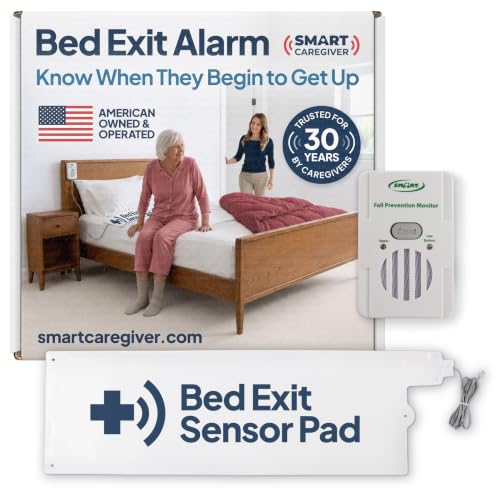 Smart Caregiver Bed Alarm System with 10x30 |
9.2/10 | Buy |
| Best Premium |
 Lunderg Wireless Bed and Chair Alarm System |
9.2/10 | Buy |
| Best Budget |
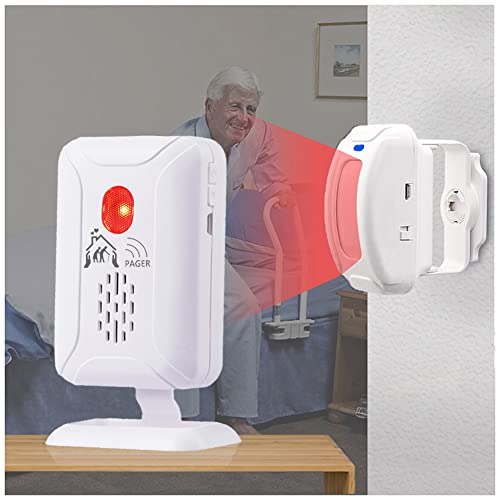 Nesthao Wireless Under-Bed Sensor Alarm |
8.4/10 | Buy |
 Lunderg Under Mattress Wireless Bed Alarm Pad |
7.8/10 | Buy | |
 Smart Caregiver Bed Exit Alarm & Wireless Pager |
8.1/10 | Buy |
Lunderg Wireless Early Alert Bed Alarm System
The Lunderg Wireless Early Alert Bed Alarm is a practical fall-prevention accessory featuring a 10x33-inch hip-level sensor pad and a 400-foot wireless pager. It delivers silent, dignity-preserving monitoring without requiring Wi-Fi, making it an effective safety addition for caregivers managing home beds and care foundations.
Pros
- Hip-level sensor pad alerts caregivers before the sleeper exits the mattress rather than after feet hit the floor
- Wireless receiver keeps the bedroom quiet, preserving user dignity and preventing agitation from bedside sirens
- Reliable 400-foot operational range with adjustable audio volume and discrete vibration alert modes
- Fluid-resistant, wipe-clean pad exterior with an extended 15-month operational lifespan rating
- Fully independent setup requiring no Wi-Fi networks, mobile applications, or mounting tools
Cons
- Functions strictly as an alert system and does not provide physical fall prevention or rail support
- Requires routine evaluation and eventual sensor pad replacement after the 15-month service rating
- Sensor pad positioning must be checked periodically to prevent shifting under loose bedding
Smart Caregiver Bed Alarm System with 10x30
This bedroom safety monitor features a 10-by-30-inch sealed vinyl sensor pad and bed-mountable alarm unit designed to work across standard platform beds, box springs, and adjustable bases. It installs directly under the fitted sheet without requiring box springs or frame modifications, making it a reliable fall-prevention addition for caregivers and elderly family members.
Pros
- Integrates smoothly beneath fitted sheets without altering mattress support or bed frame mechanics
- Sealed, wipe-clean vinyl sensor pad offers reliable liquid and incontinence protection
- Flexible mounting bracket secures easily to bed rails, headboard posts, or adjacent walls
- Includes 9-volt battery with visual indicator lights for sensor status and battery life
Cons
- Audible in-room alarm tone may startle sensitive individuals unless upgraded with an optional remote wireless transmitter
- Connecting cord between pad and monitor requires careful routing around bed frame rails to prevent snagging
- Pad placement may require minor repositioning if restless sleepers shift excessively during the night
Lunderg Wireless Bed and Chair Alarm System
The Lunderg Wireless Early Alert Bed and Chair Alarm Set provides fall-prevention monitoring for home beds and seating without loud bedside sirens. Operating without Wi-Fi, it pairs hip-level pressure pads to a portable caregiver pager for reliable assistance.
Pros
- Direct-to-pager alerts prevent disorientation and fear by eliminating sudden, loud bedside noise
- Hip-level 10x33-inch bed pad minimizes false alarms compared to traditional upper-back sensor pads
- Simple wireless setup functions out of the box without complex Wi-Fi pairing or smartphone apps
- Rated for up to 15 months of pad life with included batteries for immediate deployment
- Versatile alert options allow caregivers to switch between audible chimes and discrete pocket vibration
Cons
- Operating range is limited to 400 feet, which may not cover expansive multi-acre properties or detached guest suites
- Sensor pads have an estimated 15-month service life and will require eventual component replacement for ongoing use
- System functions via local wireless frequency and does not integrate into internet-based smart home ecosystems
Nesthao Wireless Under-Bed Sensor Alarm
The Nesthao wireless bed sensor alarm is an under-bed motion monitoring accessory engineered to alert caregivers without sounding a startling alarm inside the sleeper's room. It functions alongside standard bed frames, platform foundations, and home care beds, making it a practical safety addition for households assisting elderly relatives or individuals with dementia.
Pros
- Detects floor contact beneath the bed frame without relying on under-mattress pressure pads prone to false triggers or moisture damage
- Keeps the sleeper's room quiet to avoid disorientation, alerting only the remote caregiver pager
- Offers both battery operation and Micro USB connectivity for versatile bedroom setups
- Generous wireless signal coverage up to 918 feet in open space accommodates multi-room monitoring
Cons
- Requires preliminary evaluation to properly align detection angle and avoid accidental triggers from pets or shifting bedskirts
- Not an integrated structural bed frame component, requiring manual floor positioning or adhesive/screw mounting beneath the foundation
- Thick interior walls, heavy metal bed frame rails, or multi-level household layouts may reduce the maximum open-air wireless range
Lunderg Under Mattress Wireless Bed Alarm Pad
Designed to rest securely between a bed foundation and any mattress up to 13 inches thick, this wireless sensor pad alerts caregivers before a sleeper stands without messy bedside cords or loud room chimes. It offers a discreet, tamper-resistant monitoring solution for home caregivers and families supporting aging loved ones.
Pros
- Low-profile 0.2-inch pad tucks completely under the mattress without altering sleep surface comfort or bed height
- Wireless transmitter eliminates bedside cords, wall plugs, and room alarms that can disturb or agitate sleepers
- PreRise early-alert system signals the caregiver pager prior to the occupant standing up from the bed
- Sensor pad provides an extended 15-month service life with all required batteries included in the package
- Pager offers customizable alert settings including vibration, low volume, and high volume for daytime or nighttime monitoring
Cons
- Limited to mattresses measuring 13 inches thick or less, making it unsuitable for extra-plush pillowtop mattresses
- Requires placement on a flat, supportive foundation surface or solid bunkie board if existing bed frame slats have wide spacing
- Operating range and signal transmission through walls may vary depending on home layout and wall construction materials
Smart Caregiver Bed Exit Alarm & Wireless Pager
The Smart Caregiver Bed Exit Alarm is a dedicated sleep-safety accessory featuring a 10-inch by 30-inch weight-sensing pad and a wireless pager designed to alert caregivers when an individual rises. Compatible with standard, platform, or adjustable bed setups, it offers practical early alert fall prevention without requiring structural frame modifications.
Pros
- Wireless pager receiver offers selectable sound and vibration alert modes for flexible monitoring throughout the home
- Generous 10-inch by 30-inch sensor pad provides broad surface coverage to detect departures while minimizing false triggers
- Expandable system supports up to six Smart Caregiver sensors for multi-room or multi-station coverage
- Slim 0.5-inch pad profile lays flat beneath bedding without disrupting sleeper comfort or mattress support
- Tool-free setup works across virtually any bed frame, platform, or power adjustable base
Cons
- Requires precise placement under the shoulder area to achieve reliable early alerts rather than late-stage triggers
- Serves as an electronic alert system only and does not provide physical containment or structural fall-prevention bed rails
- Sensor pad and pager require battery management for continuous overnight reliability
A closely related question is covered in best bed base king adjustable, which may help alongside this section.
Frequently Asked Questions
Where should a pressure sensor pad be placed on the bed?
Position pressure sensor pads directly beneath the fitted sheet at hip or shoulder level for maximum detection accuracy. Placing the pad across the lower back or hips detects body weight shifts before a senior swings their legs off the mattress edge. Placing it higher near the shoulder blades works better for sleepers who sit upright before standing. Keep the pad flat against the mattress surface without folding to avoid damaging internal electrical contacts.
Can you use a bed alarm on an adjustable bed base?
Yes, wireless bed alarms and motion sensors work well on adjustable bed bases when properly placed. Standard pressure pads should sit flat across the mattress section that bends least, or you can opt for wireless floor motion sensors placed beneath the frame. Avoid pinching cords in moving frame joints, and test the sensor trigger sensitivity after adjusting the head or foot elevation to ensure reliable contact.
A closely related question is covered in best bed sheets to stay cool, which may help alongside this section.
Do under-mattress bed sensor pads work with memory foam mattresses?
Under-mattress sensor pads work reliably beneath mattresses measuring up to 13 inches in total thickness, including most memory foam and hybrid models. Heavy, dense foam transfers pressure downward effectively to trigger the sensor when a sleeper gets up. Thick box springs or slatted foundations provide a solid base for the pad, but extra-thick luxury pillow-tops over 14 inches may require standard over-mattress pads instead.
If this topic is part of a bigger decision, best bed accent pillows is a useful related read.
How do the best bed alarms for elderly prevent false alarms from restless sleepers?
Selecting wide sensor pads with early-alert delay mechanisms or positioning pads precisely beneath hip level helps eliminate false triggers from normal tossing and turning. The best bed alarms for elderly in 2026 feature adjustable sensitivity settings that allow normal sleeping movement without sending panic alerts to the caregiver pager. If nighttime shifting causes persistent false alarms, a floor motion sensor positioned under the bed frame detects only actual foot contact with the bedroom floor.
Are bedside sirens better than wireless caregiver pagers?
Wireless caregiver pagers are generally safer and more effective than loud bedside sirens. Loud bedside alarms often startle confused or dementia patients, increasing agitation and the immediate risk of a fall. Federal care guidelines have long discouraged bedside blasts in favor of silent, remote pagers that alert caregivers directly via sound or vibration without causing patient distress.
How long do sensor pad batteries and pressure pads typically last?
Quality pressure sensor pads generally provide between 12 and 15 months of active use before requiring replacement, while monitor batteries last several months. Most systems include visual LED status lights and low-battery warnings to alert caregivers before power depletes. Replacing pad batteries on a set schedule and inspecting the vinyl pad for moisture or creasing ensures continuous night protection.
Readers working through this often check best queen bed in a box next.
About the author
Noah Kaufman is a product-focused editor and writer with experience evaluating household equipment. His published furniture reviews include outdoor sofas, upholstered seating, and standing desks, often drawing on how products perform in everyday home settings.